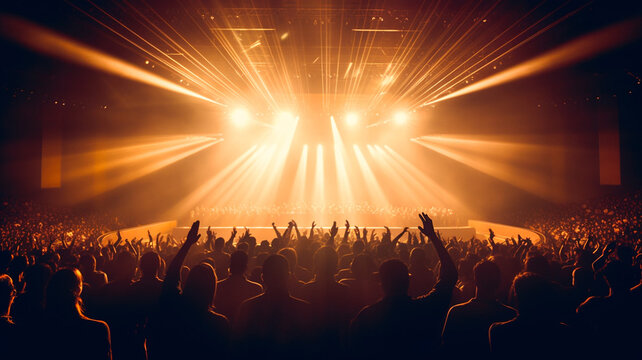
Have you ever walked out of a concert feeling energized—only to notice a high-pitched ringing in your ears once the music stopped? If so, you’re not alone. Millions of concertgoers experience temporary ringing after live events, especially after standing close to speakers or spending hours in loud environments.
While the ringing often fades within a few hours, it shouldn’t be ignored. Your ears may be signaling that they’ve been exposed to sound levels capable of damaging delicate hearing structures.
In this guide, we’ll explain why your ears ring after concerts, how long the ringing should last, what you can do to recover, and—most importantly—how to reduce the risk of long-term hearing damage without giving up live music.
What Does It Mean When Your Ears Ring After a Concert?
Ringing in your ears after a concert is commonly known as temporary tinnitus.
Tinnitus isn’t a disease itself. Instead, it’s a symptom that occurs when your auditory system has been stressed or damaged by loud noise. People describe tinnitus in different ways:
- Ringing
- Buzzing
- Hissing
- Whistling
- Humming
- High-pitched tones
For many people, the ringing disappears after several hours. However, repeated exposure to loud music can increase the likelihood that tinnitus becomes more frequent—or even permanent.
Why Do My Ears Ring After Concerts?
The short answer is simple:
Your ears have been exposed to sound levels that temporarily overwhelm the tiny sensory cells responsible for hearing.
Inside your inner ear are thousands of microscopic hair cells located in the cochlea. These cells convert sound vibrations into electrical signals that your brain interprets as music, speech, and everyday sounds.
When music becomes extremely loud, these hair cells are forced to work much harder than normal.
As a result:
- Hair cells become fatigued.
- Their sensitivity decreases temporarily.
- The brain receives altered signals.
- Your brain may “fill in the gaps,” creating the perception of ringing even when no external sound exists.
Think of it like staring at a bright camera flash. Even after looking away, your eyes continue seeing a bright spot for a short period. Your ears can experience a similar temporary overload after loud concerts.
How Loud Are Concerts?
Most people underestimate just how loud live music can be.
Typical sound levels include:
| Environment | Approximate Sound Level |
|---|---|
| Normal conversation | 60 dB |
| Busy city traffic | 85 dB |
| Motorcycle | 95 dB |
| Rock concert | 100–110 dB |
| EDM festival near speakers | 110–120 dB |
For comparison, prolonged exposure above 85 dB is generally considered capable of increasing the risk of hearing damage over time. Many concerts exceed that level for several hours.
Standing directly in front of speakers can increase your exposure even further.
Is Ringing After a Concert Normal?
Yes—but that doesn’t mean it’s harmless.
Temporary ringing after loud music is relatively common, especially if:
- You attended a rock concert.
- You went to an EDM festival.
- You spent hours inside a nightclub.
- You stood close to stage speakers.
- You attended multiple concerts over a weekend.
Although the ringing often disappears, it indicates that your hearing system has experienced significant stress.
Think of it as a warning sign rather than something to simply ignore.
What Happens Inside Your Ear During Loud Music?
To understand why ringing occurs, it helps to know how hearing works.
Step 1: Sound Enters the Ear
Sound waves travel through your ear canal and vibrate the eardrum.
Step 2: Vibrations Reach the Cochlea
Tiny bones in the middle ear amplify these vibrations before sending them into the fluid-filled cochlea.
Step 3: Hair Cells Detect Movement
Inside the cochlea are thousands of sensory hair cells.
Each one responds to different sound frequencies.
Step 4: Loud Music Overloads the System
When exposed to very loud sounds:
- Hair cells bend excessively.
- They require time to recover.
- Some may become permanently damaged if exposure is repeated.
Unlike many other cells in the body, damaged hair cells in humans do not regenerate.
This is one reason hearing protection is so important for anyone who regularly attends concerts.
How Long Should Ringing Last?
Recovery time varies depending on several factors, including:
- Volume of the music
- Length of exposure
- Distance from speakers
- Previous hearing health
- Whether hearing protection was used
Many people notice improvement within:
- A few minutes
- Several hours
- Up to 24 hours
Sometimes the sensation may persist for a day or two.
If ringing lasts longer than 48 hours, becomes increasingly severe, or is accompanied by significant hearing loss, ear pain, dizziness, or one-sided symptoms, it’s a good idea to seek medical evaluation.
Temporary Tinnitus vs. Permanent Tinnitus
Understanding the difference is important.
| Temporary Tinnitus | Persistent Tinnitus |
|---|---|
| Often follows loud events | May occur even in quiet environments |
| Improves over hours or days | Can last months or years |
| Usually linked to temporary auditory stress | Often associated with lasting hearing changes |
| Recovery is common | Medical evaluation is recommended |
Experiencing temporary tinnitus once doesn’t necessarily mean permanent damage has occurred—but repeated episodes should be taken seriously.
Other Symptoms You May Notice
Besides ringing, loud concerts can also cause:
- Muffled hearing
- Difficulty understanding conversations
- A feeling of fullness in the ears
- Increased sensitivity to sound
- Mild ear discomfort
These symptoms often improve with time, but recurring episodes may indicate repeated stress on your hearing system.
Factors That Increase Your Risk
Not everyone experiences ringing after concerts.
Several factors influence your risk:
Standing Too Close to Speakers
Every few feet closer to powerful speakers significantly increases sound exposure.
Long Concerts
Three or four hours at high volume exposes your ears far longer than a short performance.
Multiple Concerts in One Weekend
Many festival-goers attend several sets with very little recovery time between them.
Previous Hearing Damage
People who already have mild hearing loss or tinnitus may be more sensitive to loud environments.
No Hearing Protection
This remains one of the biggest risk factors—and fortunately, one of the easiest to address.

Concert Earplug Buyer’s Guide: How to Choose the Right Hearing Protection
If you’ve experienced ringing in your ears after a concert, choosing the right hearing protection before your next event can make a significant difference.
However, with dozens of options available, it can be difficult to know what actually matters.
Here’s what to look for before making a purchase.
1. Choose Earplugs Designed for Music
Not all earplugs are intended for concerts.
Basic foam earplugs are excellent for sleeping, studying, or working in noisy environments because they’re designed to block as much sound as possible.
For live music, many people prefer earplugs specifically engineered for concerts. These models aim to lower overall volume while preserving more of the music’s clarity and balance, making vocals and instruments easier to enjoy.
2. Prioritize Comfort
Even the most advanced earplugs won’t help if you remove them halfway through the show.
A comfortable fit is especially important for:
- Multi-hour concerts
- Music festivals
- DJ sets
- Sporting events
- Nightclubs
Features such as multiple ear tip sizes can help you find a secure fit that stays comfortable over long periods.
3. Think About Reusability
If you attend concerts only once every few years, disposable foam earplugs may be sufficient.
But if you regularly go to:
- Rock concerts
- EDM festivals
- Live music venues
- Clubs
- Sporting events
A reusable pair can be more convenient and cost-effective over time.
4. Consider Portability
The best hearing protection is the one you actually remember to bring.
Look for earplugs that include:
- A protective carrying case
- A compact design that fits easily in your pocket or bag
- Easy cleaning and maintenance
Keeping them with your keys or concert essentials makes it less likely you’ll forget them.
5. Balance Protection and Listening Experience
Many first-time buyers assume stronger noise reduction is always better.
In reality, your goal isn’t to eliminate the music—it’s to reduce exposure while still enjoying the performance.
Choosing hearing protection designed for concerts can help strike that balance.
Frequently Asked Questions (FAQ)
Why do my ears ring after concerts?
The ringing is usually a sign that your auditory system has been exposed to loud sound. After intense noise, the delicate hair cells inside the inner ear can become temporarily overstimulated, leading to temporary tinnitus.
Is ringing after a concert permanent?
Not necessarily.
For many people, the ringing fades within several hours or a day. However, repeated exposure to loud music without hearing protection may increase the risk of longer-lasting hearing problems.
How long should ringing last?
Temporary ringing often improves within 24 hours.
If it continues beyond 48 hours, worsens, or is accompanied by sudden hearing loss, severe dizziness, or significant ear pain, it’s advisable to consult a healthcare professional.
Can one concert damage your hearing?
A single very loud concert has the potential to affect hearing, particularly if you’re close to speakers or exposed for several hours. The overall risk depends on factors such as sound level, duration, and individual susceptibility.
Can tinnitus go away on its own?
Temporary tinnitus often resolves naturally as your ears recover.
Persistent or recurring tinnitus should be evaluated by an audiologist or an ear, nose, and throat (ENT) specialist.
Are foam earplugs good enough for concerts?
Foam earplugs provide substantial noise reduction and are useful in many situations.
However, some concertgoers find that they noticeably reduce music clarity. Earplugs designed specifically for live music aim to lower volume while preserving more of the listening experience.
What’s the best way to protect your hearing at concerts?
A combination of strategies works best:
- Wear hearing protection.
- Avoid standing directly beside speakers.
- Take breaks in quieter areas during long events.
- Limit additional loud sound exposure afterward.
Can headphones make tinnitus worse after a concert?
Using headphones at high volume immediately after a loud event may place additional stress on your auditory system. Giving your ears time to recover before listening to music again is generally a sensible approach.
Do musicians wear earplugs?
Yes. Many professional musicians, DJs, and sound engineers use hearing protection to reduce long-term exposure while still hearing performances clearly.
Is hearing loss from loud music reversible?
Temporary hearing changes often improve with time.
However, permanent damage to the sensory hair cells of the inner ear cannot currently be reversed, making prevention especially important.
Key Takeaways
If you only remember a few points from this guide, let them be these:
- Ringing after concerts is common, but it shouldn’t be ignored.
- Temporary tinnitus often signals that your ears have been exposed to more sound than they can comfortably handle.
- Most people recover within hours or a day, but repeated episodes may increase the risk of long-term hearing issues.
- Simple habits—such as stepping away from speakers, taking quiet breaks, and wearing hearing protection—can significantly reduce your risk while allowing you to continue enjoying live music.
Final Thoughts
Concerts, festivals, and live performances create unforgettable memories. Protecting your hearing doesn’t mean sacrificing those experiences—it means making sure you can continue enjoying them for years to come.
If you’ve ever left a venue with ringing ears, consider it a reminder that your hearing deserves the same care as the rest of your health.
Choosing appropriate hearing protection, giving your ears time to recover after loud events, and being mindful of your exposure are small steps that can have a lasting impact.

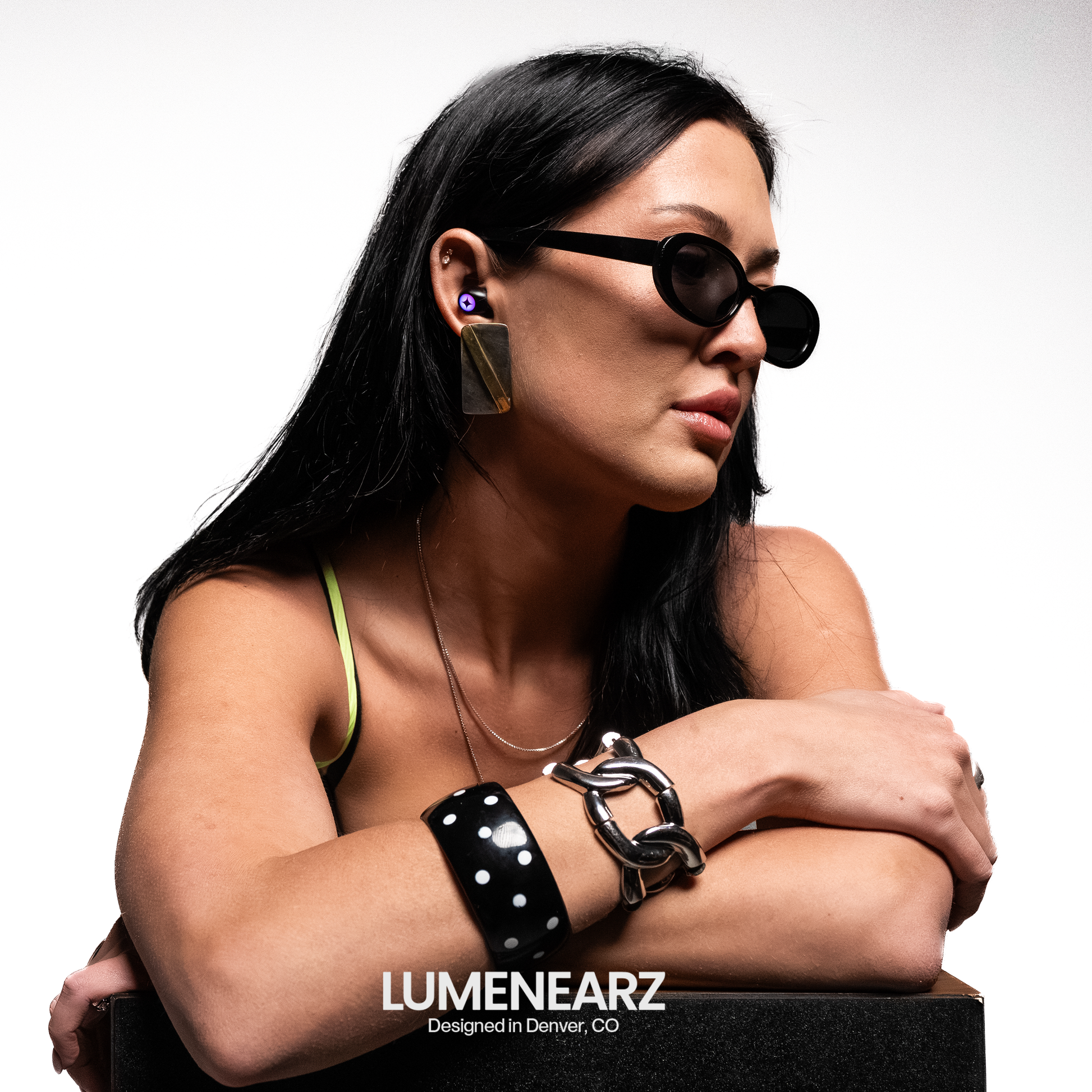
If you’re exploring hearing protection designed specifically for concerts and festivals, LUMENEARZ Aura is one option worth considering. Its high-fidelity approach is intended to reduce overall sound levels while helping preserve the character of live music, making it a practical choice for people who attend concerts regularly.
👉 Explore LUMENEARZ Aura here:
https://www.lumenearz.com/
Whether you choose Aura or another well-fitting pair of concert earplugs, the most important step is developing the habit of wearing hearing protection consistently whenever you’re exposed to loud music. Your future self—and your hearing—will thank you.