
Buying your first acoustic guitar is exciting—but it can also feel overwhelming.
A quick search online reveals hundreds of models from different brands, each claiming to be the perfect choice for beginners. You’ll see terms like dreadnought, concert body, solid top, laminate, cutaway, and scale length, making it difficult to know what really matters when you’re just starting out.
The truth is, the best acoustic guitar for beginners isn’t necessarily the most expensive one. Instead, it’s the guitar that feels comfortable to play, stays in tune, produces a pleasant sound, and motivates you to practice consistently.
Choosing the wrong guitar can make learning frustrating. An instrument with poor playability, uncomfortable action, or unstable tuning may discourage even the most enthusiastic beginner.
In this guide, you’ll learn:
- What makes a beginner-friendly acoustic guitar
- Common mistakes first-time buyers should avoid
- Which guitar features actually matter
- How to compare different types of beginner guitars
- Tips for finding the right guitar based on your goals and budget
We’ll also recommend several beginner-friendly options—including some available from trusted music retailers like Muzigal—to help you make an informed decision.

Why Choosing the Right First Guitar Matters
Many people believe that learning guitar is difficult.
In reality, one of the biggest reasons beginners quit isn’t a lack of talent—it’s starting with an instrument that doesn’t suit their needs.
A well-made beginner guitar can make learning:
- More enjoyable
- Less physically demanding
- More rewarding
- Easier to stick with over time
On the other hand, an uncomfortable guitar with high string action or poor tuning stability can make even simple chords feel frustrating.
Your first guitar doesn’t need to be perfect, but it should encourage you to pick it up every day.
Common Problems Beginners Face
Most first-time buyers encounter similar challenges when shopping for their first acoustic guitar.
Understanding these common problems can help you avoid expensive mistakes.
-Problem #1: Too Many Choices
Walk into any music store or browse online, and you’ll find countless options.
Different body shapes, woods, brands, and price points can make the decision confusing.
Many beginners ask questions like:
- Should I buy a full-size guitar?
- Is an expensive guitar worth it?
- What’s the difference between solid wood and laminate?
- Which body shape is easiest to play?
Without guidance, it’s easy to become overwhelmed.
-Problem #2: Buying the Cheapest Guitar Available
Budget is important, especially for beginners.
However, choosing the lowest-priced guitar isn’t always the smartest decision.
Very inexpensive guitars may have:
- Rough fret edges
- Poor tuning machines
- High string action
- Weak sound projection
- Lower-quality craftsmanship
These issues don’t just affect sound—they can make learning more difficult and less enjoyable.
A slightly better-quality beginner guitar often provides a much smoother learning experience.

-Problem #3: Choosing the Wrong Size
Not every acoustic guitar feels the same.
Some guitars are designed with larger bodies that produce more volume, while others are smaller and easier to hold.
For example:
- Children often benefit from smaller-scale guitars.
- Teenagers and adults may prefer full-size models.
- Players with smaller hands often appreciate compact body styles.
Comfort should always be one of your top priorities.
-Problem #4: Focusing Only on Brand Names
Well-known brands often have strong reputations, but the logo on the headstock shouldn’t be your only consideration.
Instead, pay attention to:
- Playability
- Build quality
- Sound
- Comfort
- Customer support
- Warranty
Many newer brands also produce excellent beginner guitars at competitive prices.
What Makes the Best Acoustic Guitar for Beginners?
Rather than asking, “Which guitar is the best?” it’s more helpful to ask, “Which guitar is the best for me?”
Here are the features that matter most.
-Comfortable Neck
You’ll spend a lot of time holding the guitar neck while learning chords.
A comfortable neck profile makes practicing easier and reduces hand fatigue.
If possible, hold several guitars before buying to see which one feels most natural.
-Good Tuning Stability
Nothing frustrates beginners more than a guitar that constantly goes out of tune.
Reliable tuning machines help your guitar stay in tune longer, allowing you to focus on learning instead of constantly adjusting the strings.
-Comfortable String Action
“Action” refers to the distance between the strings and the fretboard.
If the action is too high:
- Chords become harder to press.
- Fingers become sore more quickly.
- Practice sessions feel tiring.
A properly adjusted beginner guitar makes learning significantly more enjoyable.
-Balanced Sound
You don’t need concert-level sound quality as a beginner.
Instead, look for a guitar that offers:
- Clear notes
- Good sustain
- Balanced bass and treble
- Consistent tone across the fretboard
A guitar that sounds pleasant encourages you to keep playing.
-Solid Construction
A well-built guitar generally lasts longer and performs more consistently.
Look for details such as:
- Smooth fretwork
- Secure bridge
- Even finish
- Stable neck
- Quality tuning pegs
Small details often reveal the overall craftsmanship of the instrument.
Acoustic Guitar Body Shapes Explained
One of the first things you’ll notice is that acoustic guitars come in different body shapes.
Each offers a unique playing experience.
-Dreadnought

It’s known for:
- Strong volume
- Rich bass
- Versatility
- Great projection
This shape works well for:
- Strumming
- Singing
- Folk
- Country
- Pop
For many beginners, it’s an excellent all-around choice.
-Concert

Many beginners find them:
- More comfortable to hold
- Easier to play while seated
- Better suited for fingerstyle playing
Players with smaller frames often appreciate the reduced body size.
-Grand Auditorium
The Grand Auditorium combines elements of both larger and smaller body styles.
It’s popular because it offers:
- Balanced sound
- Comfortable ergonomics
- Good versatility
If you enjoy both strumming and fingerpicking, this body shape is worth considering.
Acoustic vs. Electric Guitar for Beginners
One of the biggest questions beginners ask is whether they should start with an acoustic or electric guitar.
Here’s a simple comparison:
| Acoustic Guitar | Electric Guitar |
|---|---|
| No amplifier required | Requires an amplifier |
| Easy to carry | More equipment needed |
| Great for learning basic chords | Easier string tension on many models |
| Ideal for folk, pop, country, singer-songwriter styles | Better for rock, blues, and metal |
If your goal is to play around the campfire, accompany your singing, or simply enjoy casual practice at home, an acoustic guitar is often the more practical starting point.
Is an Expensive Guitar Better for Beginners?
Not necessarily.
A beginner doesn’t need a premium professional instrument.
Instead, prioritize:
- Comfort
- Reliable tuning
- Good setup
- Build quality
- Value for money
Many affordable beginner guitars provide everything needed to develop solid playing skills.
The best investment is one that encourages consistent practice rather than collecting dust in a corner.
Top Beginner Acoustic Guitars Worth Considering
Finding the best acoustic guitar for beginners isn’t about buying the most expensive instrument—it’s about choosing a guitar that encourages you to practice consistently.
A good beginner guitar should be:
- Comfortable to hold
- Easy to play
- Stay in tune reasonably well
- Produce a balanced sound
- Offer good value for your budget
Below are several excellent categories and examples that beginners should consider.
Quick Comparison
| Guitar | Best For | Body Style | Why Beginners Like It |
|---|---|---|---|
| Yamaha F280 | First-time players | Dreadnought | Great value, reliable quality |
| Yamaha F / FS Series | Long-term learning | Dreadnought / Concert | Comfortable playability and consistent craftsmanship |
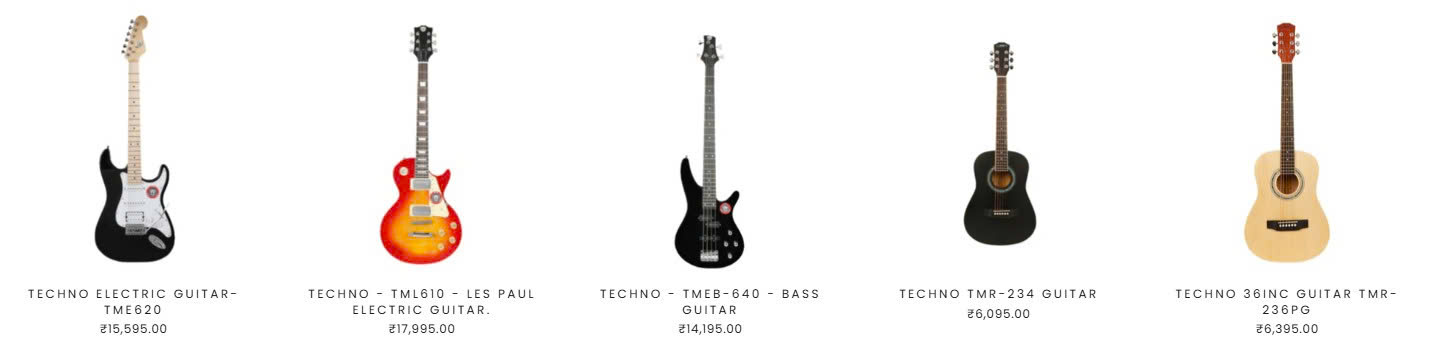
| Techno Beginner Acoustic Series | Budget-conscious buyers | Various | Affordable entry-level options |
| Premium Solid-Top Acoustic | Players committed to long-term learning | Various | Better resonance and future-proof investment |
Yamaha’s F/FS series is widely recognized as an entry point for beginner and developing players, while Muzigal also carries entry-level Techno guitars and Yamaha models aimed at aspiring musicians.
1. Yamaha F280

Best Overall Beginner Guitar
If you ask guitar teachers to recommend a reliable first acoustic guitar, the Yamaha F280 frequently appears on the list.
It’s popular because it balances:
- Affordable pricing
- Consistent quality control
- Comfortable neck
- Reliable tuning stability
Rather than trying to impress with premium materials, the F280 focuses on delivering an enjoyable learning experience.
That makes it suitable for:
- Complete beginners
- Teenagers
- Adult learners
- Self-taught players
-Pros
- Trusted beginner model
- Comfortable to play
- Reliable tuning
- Good resale value
- Easy to maintain
-Cons
- Laminated construction rather than all-solid wood
- Designed for beginners rather than professional performance
The Yamaha F280 is listed by Muzigal as one of its available acoustic guitars.
2. Yamaha F / FS Series

Best for Long-Term Learning
If you think you’ll continue playing for years, Yamaha’s F and FS series deserve serious consideration.
The series is designed to provide:
- Comfortable neck profiles
- Consistent build quality
- Balanced tone
- Good projection
The main difference is body size.
-FG Series
Ideal for:
- Strumming
- Singing
- Bigger sound
- Folk music
-FS Series
Ideal for:
- Smaller hands
- Fingerstyle
- Comfortable seated playing
Both series are frequently recommended because they provide dependable quality without entering premium pricing.
3. Techno Beginner Acoustic Guitars

-Best Budget-Friendly Alternative
Not everyone wants to spend a large amount on their first guitar.
If your goal is simply to explore a new hobby, entry-level Techno acoustic guitars available through Muzigal may be worth considering.
These models are generally aimed at:
- Students
- Beginners
- Casual home practice
When evaluating a budget guitar, pay attention to:
- Neck comfort
- Factory setup
- Tuning stability
- Return policy
- Warranty
Rather than focusing only on price, think about the overall playing experience.
Muzigal carries several Techno guitar models alongside other beginner instruments.
4. Should You Buy a Solid-Top Guitar?
Many buyers hear the term solid-top guitar and assume it’s automatically the best option.
While solid-top guitars often produce richer resonance and improve with age, they also cost more.
For most beginners:
A well-made laminate guitar is usually more than enough.
You’ll gain far more from:
- Practicing consistently
- Learning proper technique
- Playing every day
than from upgrading to premium materials immediately.
Which Guitar Fits Your Learning Style?
Instead of asking:
“Which guitar is the best?”
Ask:
“Which guitar fits the way I want to learn?”
-If You Want to Learn Popular Songs
Choose a versatile dreadnought.
You’ll have enough volume for:
- Singing
- Campfire sessions
- Pop
- Country
- Worship music
-If You Have Smaller Hands
Consider a concert-style body.
Many players find:
- Easier reach
- Better comfort
- Less shoulder fatigue
during long practice sessions.
-If You’re Buying for a Child
Don’t automatically purchase a full-size guitar.
A properly sized instrument often helps children:
- Develop correct posture
- Reach chords more comfortably
- Stay motivated
What Beginners Often Regret Buying
Teachers often hear similar stories from new players.
-“I bought the cheapest guitar I could find.”
Unfortunately, extremely cheap guitars often suffer from:
- Sharp fret edges
- Poor tuning
- High string action
These issues make learning harder than it needs to be.
-“I bought a guitar because it looked cool.”
Appearance matters—but playability matters much more.
You’ll spend hundreds of hours holding your guitar.
Comfort should always come first.
-“I didn’t budget for accessories.”
Your first guitar is only part of the investment.
Useful accessories include:
- Gig bag
- Clip-on tuner
- Picks
- Guitar stand
- Extra strings
- Capo
Fortunately, many retailers—including Muzigal—also stock these accessories, making it convenient to build a complete beginner setup in one place.
A Beginner-Friendly Option Worth Exploring
If you’re still deciding which acoustic guitar to buy, it’s worth browsing a retailer that specializes in beginner musicians rather than choosing solely based on the lowest price.
Muzigal offers a curated selection of beginner-friendly instruments, including Yamaha and Techno guitars, along with learning books and essential accessories. Their catalog is positioned around helping aspiring musicians find value-for-money instruments selected by teachers and experts.
If you’d like to compare current beginner acoustic guitar options, you can explore their collection here:
Take some time to compare body styles, specifications, included accessories, and customer reviews before making your final decision.
Buyer’s Guide: How to Choose the Best Acoustic Guitar for Beginners
Buying your first acoustic guitar is about much more than choosing a brand or finding the lowest price. The right instrument should feel comfortable, sound inspiring, and encourage you to practice regularly.
A quality beginner guitar doesn’t have to be expensive, but it should be built well enough to help you develop good playing habits from day one.
Here’s what to look for before making your purchase.
1. Start With Your Learning Goals
Before comparing specifications, ask yourself one simple question:
-Why do you want to learn guitar?
Your answer will help narrow down the best type of acoustic guitar.
-You want to sing while playing
If your goal is to accompany your own singing, a dreadnought is often a great choice. Its larger body produces a fuller sound with strong bass and plenty of volume.
This style works well for:
- Pop
- Folk
- Country
- Worship music
- Singer-songwriter performances
-You enjoy fingerstyle music
If you prefer softer melodies or fingerpicking, a concert or grand concert body may feel more comfortable.
These guitars are slightly smaller and often easier to hold for extended practice sessions.
-You’re buying for a child
Choosing the right size matters more than choosing the most expensive guitar.
A guitar that’s too large can make learning uncomfortable and discourage young players.
Many manufacturers offer smaller-scale acoustic guitars designed specifically for children and teenagers.
2. Choose the Right Body Shape
Body shape influences both sound and comfort.
-Dreadnought
Best for:
- Beginners
- Strumming
- Singing
- Loud projection
Pros:
- Powerful sound
- Versatile
- Excellent value
Cons:
- Larger body
- May feel bulky for smaller players
-Concert
Best for:
- Smaller hands
- Fingerstyle
- Comfortable home practice
Pros:
- Easier to hold
- Balanced tone
- Comfortable while seated
Cons:
- Slightly less volume than a dreadnought
-Grand Auditorium
Best for players who want a balance between comfort and versatility.
It performs well for both:
- Strumming
- Fingerpicking
Many intermediate players appreciate this body style because it adapts to different musical genres.
3. Solid Top vs. Laminate: Does It Really Matter?
One of the first specifications you’ll encounter is the guitar’s top construction.
-Solid Top
A solid-top guitar uses a single piece (or joined pieces) of wood for the soundboard.
Benefits include:
- Better resonance
- Richer tone
- Improved responsiveness
- Potential to sound better as the wood ages
The downside is cost. Solid-top guitars are generally more expensive.
-Laminate Top
Laminate guitars use multiple layers of wood bonded together.
Advantages include:
- More affordable
- Better resistance to humidity changes
- Durable for everyday use
- Excellent for beginners
For someone just starting out, a well-built laminate guitar can provide years of enjoyable playing.
4. Which Tonewood Should You Choose?
Tonewood affects the character of a guitar’s sound, but beginners don’t need to obsess over every detail.
Here are some common options.
-Spruce
Spruce is one of the most popular woods for guitar tops.
It offers:
- Bright tone
- Good projection
- Versatility across musical styles
That’s why many beginner guitars feature spruce tops.
-Mahogany
Mahogany produces a warmer, more focused sound.
It’s often favored by players who enjoy:
- Blues
- Folk
- Singer-songwriter music
-Nato and Other Alternatives
Many affordable beginner guitars use woods such as nato or other sustainable alternatives.
While they may not have the prestige of premium tonewoods, they can still deliver a satisfying sound when paired with good craftsmanship.
5. Comfort Is More Important Than Appearance
A beautiful guitar won’t help if it’s uncomfortable to play.
When evaluating a guitar, consider:
- Neck thickness
- Weight
- Body size
- Reach to the strings
- Balance when sitting
A guitar that feels natural in your hands is one you’ll be more likely to practice with consistently.
6. Don’t Ignore String Action
One of the most overlooked features is string action—the distance between the strings and the fretboard.
If the action is too high:
- Chords require more finger pressure.
- Barre chords become harder.
- Fingers tire more quickly.
Many beginner guitars benefit from a professional setup, which can improve playability without changing the instrument itself.
A modest investment in a proper setup can make a noticeable difference to your learning experience.
7. Consider the Included Accessories
Buying the guitar is only the beginning.
A few basic accessories will make practice easier and help protect your instrument.
Useful items include:
- Clip-on tuner
- Guitar picks
- Gig bag
- Extra strings
- Capo
- Guitar stand
- Cleaning cloth
Some beginner packages include several of these accessories, offering better overall value than purchasing everything separately.
8. Set a Realistic Budget
A common misconception is that beginners should buy the cheapest guitar available.
In reality, choosing a slightly higher-quality instrument can make learning more enjoyable and may reduce the desire to upgrade quickly.
Instead of focusing solely on price, think in terms of value.
Ask yourself:
- Does the guitar stay in tune?
- Is it comfortable to hold?
- Is the craftsmanship consistent?
- Will it still meet my needs after six months of practice?
A guitar that encourages daily practice is often the best investment, regardless of its price tag.
Common Mistakes First-Time Guitar Buyers Make
Choosing your first guitar is exciting, but it’s easy to make decisions that slow down your progress. Fortunately, most beginner mistakes are avoidable.
Here are the ones teachers and experienced players see most often.
-Mistake #1: Buying Based Only on Price
It’s understandable to have a budget, especially if you’re trying a new hobby.
However, choosing the absolute cheapest guitar isn’t always the best value.
Very inexpensive guitars may have:
- Poor tuning stability
- Rough fret edges
- High string action
- Weak hardware
- Inconsistent quality control
These issues can make learning frustrating.
Instead of asking:
“What’s the cheapest guitar I can buy?”
Ask:
“What’s the best guitar within my budget?”
A comfortable instrument encourages regular practice, which matters far more than saving a small amount upfront.
-Mistake #2: Choosing a Guitar That Doesn’t Fit Your Body
A guitar should feel comfortable from the first time you hold it.
Many beginners purchase a full-size dreadnought simply because it’s the most common option.
However, if you have:
- Smaller hands
- A shorter reach
- A smaller frame
A concert-size guitar may feel much more comfortable.
The easier it is to hold the instrument, the more likely you are to practice consistently.
-Mistake #3: Ignoring the Guitar Setup
Many people don’t realize that even a quality guitar may benefit from a professional setup.
A setup can include adjustments to:
- String height (action)
- Neck relief
- Intonation
- Nut slots
These adjustments improve playability without changing the guitar itself.
If possible, purchase from a retailer that inspects or sets up instruments before shipping.
-Mistake #4: Forgetting About Accessories
Your guitar is only one part of the learning experience.
You’ll also benefit from:
- A clip-on tuner
- Extra picks
- Spare strings
- A gig bag
- A guitar stand
- A capo
Having these essentials from the beginning makes practice more convenient and helps protect your investment.
-Mistake #5: Expecting Instant Progress
Many beginners expect to play full songs within a few days.
Learning guitar takes patience.
During the first few weeks, it’s normal to experience:
- Sore fingertips
- Slow chord changes
- Buzzing strings
- Difficulty maintaining rhythm
These challenges are part of the learning process and improve with consistent practice.
How to Take Care of Your First Acoustic Guitar
A well-maintained guitar can provide years of enjoyable playing.
Fortunately, basic maintenance doesn’t require special skills.
-Keep It Clean
After each practice session:
- Wipe the strings with a soft microfiber cloth.
- Remove fingerprints from the body.
- Keep dust away from the sound hole.
This simple habit helps extend string life and keeps the guitar looking its best.
-Store It Properly
Avoid leaving your guitar in places with:
- Direct sunlight
- High humidity
- Extreme heat
- Very cold temperatures
Rapid temperature changes can affect wood and tuning stability.
If possible, store your guitar in a gig bag or hard case when not in use.
-Tune Regularly
A guitar naturally goes out of tune over time.
Make tuning part of your daily routine.
Using a clip-on tuner makes this process quick and helps train your ear as you improve.
-Change Strings When Needed
Old strings gradually lose brightness and become harder to play.
Signs it’s time to replace them include:
- Dull sound
- Rust or discoloration
- Difficulty staying in tune
- Rough feel under your fingers
For casual beginners, changing strings every few months is often sufficient, though the ideal schedule depends on how frequently you play and the type of strings you use.
When Should You Upgrade Your Guitar?
Many beginners worry about outgrowing their first instrument.
The good news is that a quality beginner guitar can support your learning for years.
Consider upgrading when:
- You practice consistently and want a different tonal character.
- Your musical interests become more specialized.
- You’re performing regularly and need features your current guitar doesn’t offer.
- Your existing guitar no longer meets your playing needs.
There’s no need to rush into a more expensive instrument simply because you’ve been playing for a few months.
Simple Practice Tips for Beginners
Owning a good guitar is only the first step.
Progress comes from regular, focused practice.
Here are a few habits that can make a big difference.
-Practice a Little Every Day
Even 15–20 minutes of consistent daily practice is often more effective than a long session once a week.
-Learn Songs You Enjoy
Playing music you genuinely like keeps practice fun and helps maintain motivation.
-Focus on Accuracy Before Speed
Take your time learning new chords and transitions.
As your technique improves, speed will come naturally.
-Record Yourself Occasionally
Listening back to your playing can help you notice improvements and identify areas to work on.
-Celebrate Small Milestones
Whether it’s playing your first complete song or mastering a difficult chord, acknowledging progress helps build confidence and keeps you motivated.
Where to Buy Your First Acoustic Guitar
Buying from a reputable music retailer offers several advantages over purchasing from an unknown seller.
A specialized retailer is more likely to provide:
- Genuine instruments
- Clear product specifications
- Customer support
- Warranty coverage
- A selection of beginner accessories
If you’re comparing beginner acoustic guitars, it’s worth exploring retailers that carry trusted brands such as Yamaha along with entry-level models and accessories.
One option is Muzigal, which offers a range of acoustic guitars, music books, and accessories suitable for new players.
👉 Browse their beginner-friendly collection here:
Take your time to compare specifications, body styles, included accessories, and customer reviews before deciding which guitar best matches your goals and budget.
Frequently Asked Questions (FAQ)
1. What is the best acoustic guitar for beginners?
There isn’t a single acoustic guitar that’s perfect for everyone. The best choice depends on your budget, playing style, body size, and long-term goals.
For most beginners, look for a guitar that offers:
- Comfortable playability
- Reliable tuning stability
- Good build quality
- Balanced sound
- Strong value for money
Instead of focusing only on the brand name, choose an instrument that motivates you to practice consistently.
2. Should beginners start with an acoustic or electric guitar?
It depends on the type of music you want to play.
An acoustic guitar is often recommended because:
- It doesn’t require an amplifier.
- It’s easy to carry.
- It’s suitable for practicing almost anywhere.
- It helps develop finger strength and chord techniques.
If your goal is to play pop, folk, worship, country, or accompany your singing, an acoustic guitar is an excellent starting point.
3. How much should I spend on my first acoustic guitar?
You don’t need a professional-grade instrument to begin learning.
Rather than choosing the cheapest guitar available, focus on finding one that offers:
- Good craftsmanship
- Comfortable playability
- Reliable tuning
- Positive customer reviews
A well-made entry-level guitar can support your learning for years before you ever need to consider an upgrade.
4. Is a solid-top guitar worth it for beginners?
Solid-top guitars generally offer better resonance and tonal development over time.
However, many beginners are perfectly happy with a quality laminate guitar.
If your budget is limited, prioritize:
- Comfortable setup
- Good tuning stability
- Overall build quality
These factors will have a greater impact on your learning experience than the top wood alone.
5. How often should I practice?
Consistency is more important than duration.
For most beginners:
- 15–30 minutes per day
- 4–6 days per week
is enough to build steady progress.
Regular short sessions are generally more effective than practicing for several hours once a week.
6. How often should I change guitar strings?
There’s no universal schedule, but here are some general guidelines:
- Frequent players: every 1–2 months
- Casual players: every 2–4 months
- Replace sooner if the strings sound dull, feel rough, show signs of rust, or struggle to stay in tune.
7. Can I learn guitar without taking lessons?
Yes.
Many beginners successfully learn through:
- Online video tutorials
- Learning apps
- Songbooks
- Practice exercises
- Guitar communities
However, occasional feedback from an experienced teacher can help correct technique and prevent bad habits.
8. Are expensive guitars easier to play?
Not always.
Playability depends on factors such as:
- Proper setup
- Neck shape
- String action
- Overall construction
A well-set-up beginner guitar can often feel more comfortable than a poorly adjusted expensive instrument.
9. What accessories should every beginner own?
A practical beginner kit usually includes:
- Clip-on tuner
- Guitar picks
- Gig bag or case
- Extra strings
- Capo
- Guitar stand
- Cleaning cloth
These accessories improve convenience and help keep your guitar in good condition.
10. Where should I buy my first acoustic guitar?
Buying from a trusted music retailer offers several advantages, including genuine products, warranty support, and access to helpful accessories.
It’s also easier to compare different models and read customer feedback before making a decision.
Final Thoughts
Choosing the best acoustic guitar for beginners isn’t about finding the most expensive model or following the latest trend.
It’s about selecting an instrument that feels comfortable, sounds inspiring, and encourages you to keep practicing.
As your skills develop, your preferences will naturally evolve. But for your first guitar, focus on the fundamentals:
- Comfort
- Playability
- Reliable construction
- Good value
- A retailer you can trust
A guitar that you enjoy picking up every day is ultimately the best guitar for learning.
A Beginner-Friendly Place to Start Your Search
If you’re still comparing beginner acoustic guitars, it’s worth exploring a retailer that offers a curated selection of instruments and accessories for new musicians.
Muzigal carries beginner-friendly acoustic guitars from established brands, along with tuners, strings, music books, and other essentials that can help you get started.
Rather than rushing into a purchase, take some time to compare specifications, body styles, included accessories, and customer reviews to find the instrument that best matches your needs.
👉 Explore beginner acoustic guitars and accessories here:
Whether you’re learning your first chords, playing with friends, or simply looking for a relaxing new hobby, the right guitar can make your musical journey more enjoyable from day one.