
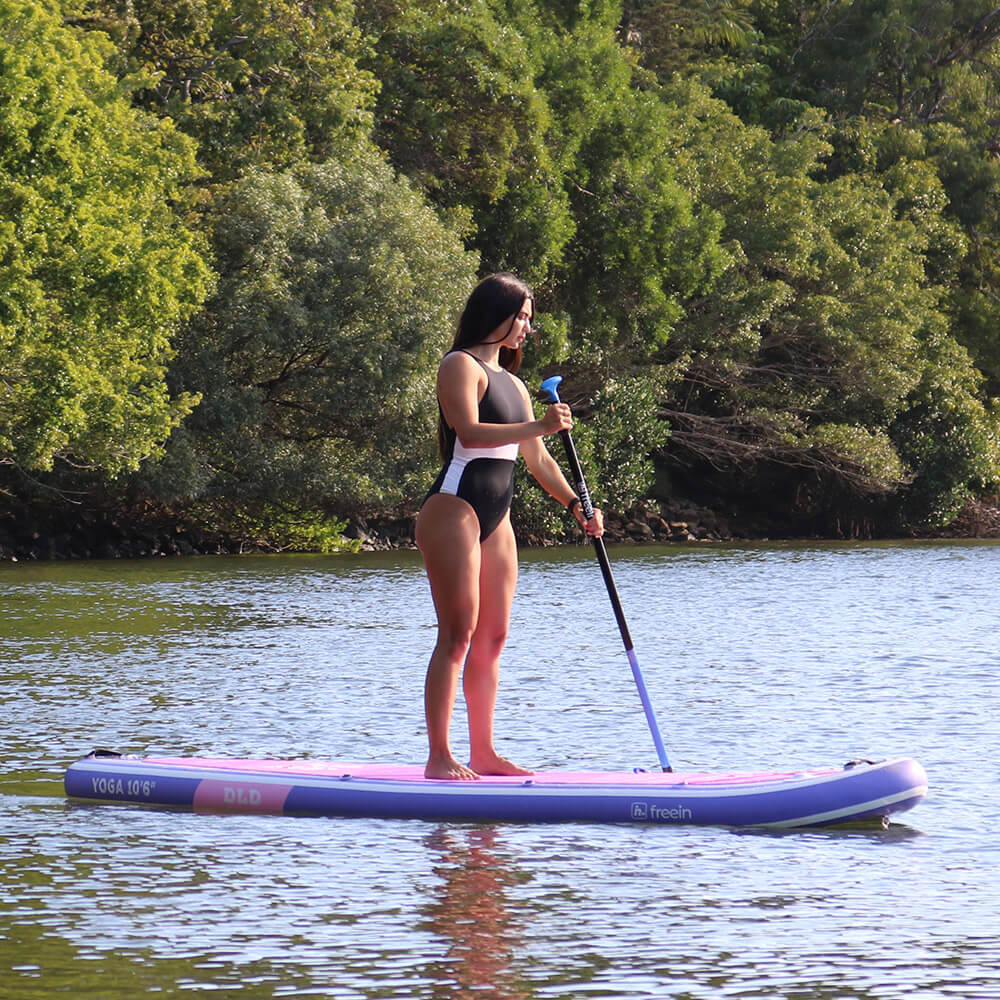
Stand-up paddleboarding has become a popular outdoor activity in the United States, offering a fun way to explore lakes, rivers, coastal waters, and other scenic destinations. Whether you want to enjoy a peaceful morning on the lake, spend quality time with family, improve your fitness, or explore new places during your vacation, an inflatable paddle board can make these experiences more accessible.
However, choosing the right board is not always easy.
When you start shopping for an inflatable SUP, you may notice dozens of different models with different lengths, widths, thicknesses, materials, weight capacities, and accessories. Some boards are designed for beginners, while others focus on speed, fishing, touring, or recreational kayaking.
How do you know which one is right for you?
Buying the wrong paddle board can lead to an uncomfortable experience. A board that is too narrow may feel unstable, while one with insufficient weight capacity may sit too low in the water. Choosing a board that is difficult to transport or store can also make you less likely to use it.
The good news is that you do not need to be an experienced paddler to make a smart purchasing decision.
This guide explains how to choose an inflatable paddle board by looking at the most important features, common buying mistakes, different paddling needs, and practical considerations. We will also explore FreeinSUP as one option worth considering if you are looking for a versatile inflatable paddle board.
1. Understand What You Want to Use Your Paddle Board For
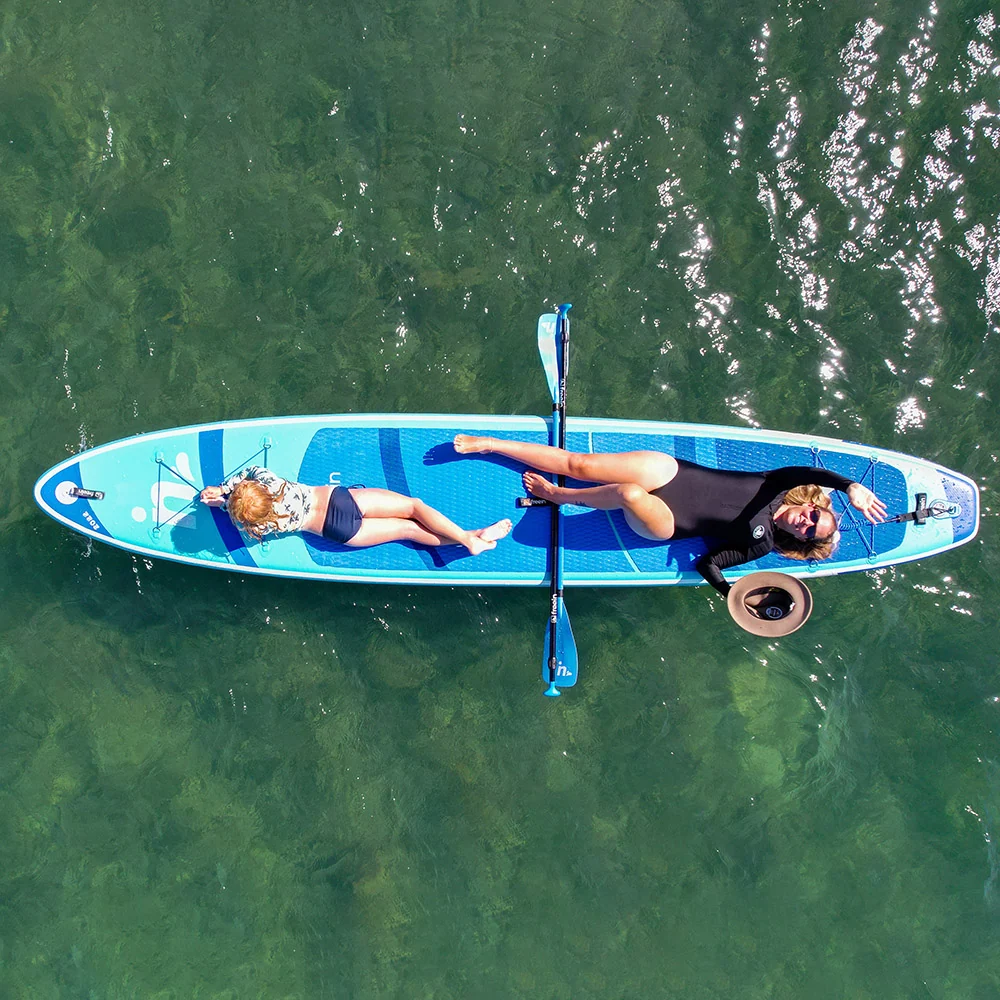
Before comparing specifications or prices, think about how you plan to use your paddle board.
This is the first and arguably most important step because different activities require different board designs.
A paddle board that works well for relaxing on a quiet lake may not be the best choice for long-distance touring or fishing.
Here are the main types of paddleboarding activities to consider.
Recreational Paddleboarding
If you simply want to enjoy the water, explore nearby lakes, or spend a relaxing afternoon outdoors, an all-around inflatable SUP is usually a practical starting point.
These boards are designed to balance stability, maneuverability, and versatility. They are suitable for casual paddling and many beginners find them easier to handle than narrow performance-oriented boards.
Look for:
-
A relatively wide deck.
-
A rounded or slightly pointed nose.
-
A comfortable standing area.
-
Sufficient weight capacity.
-
A complete accessory package.
An all-around paddle board is particularly useful if you do not have one specific activity in mind.
Touring and Long-Distance Paddling
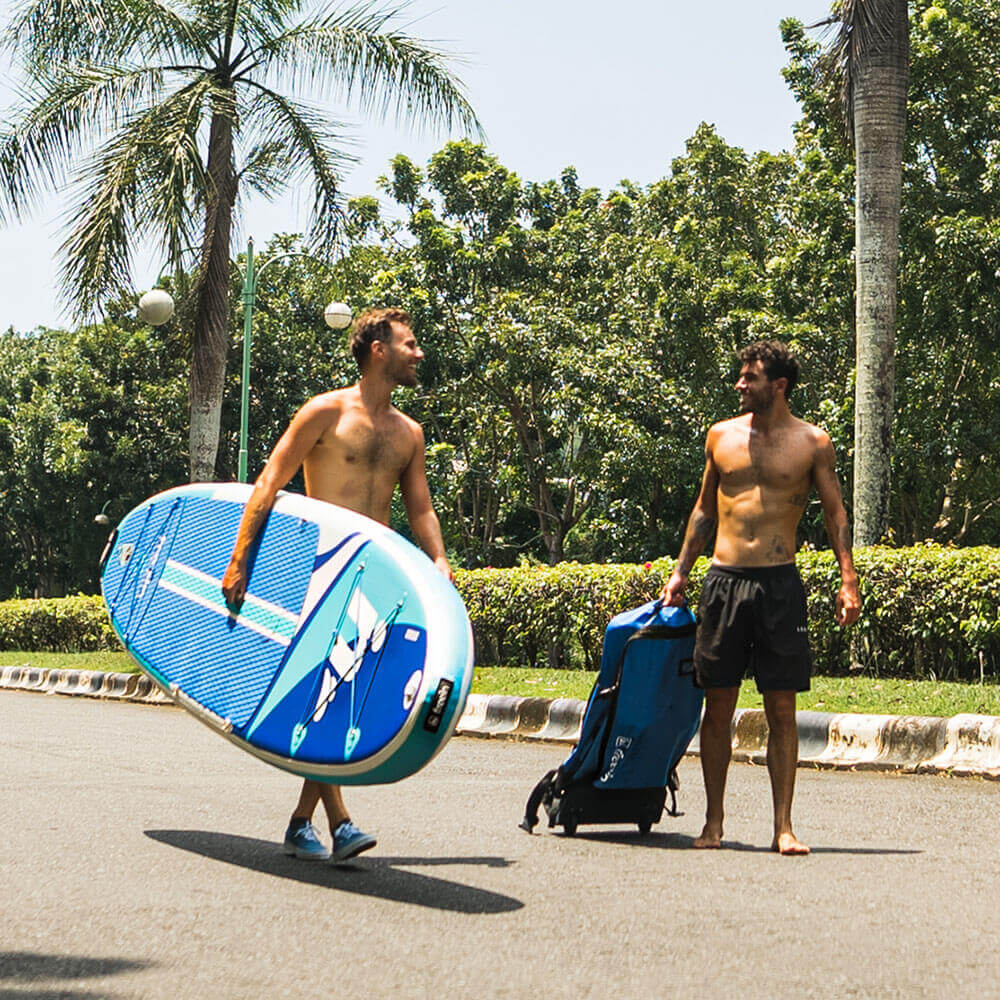
If you enjoy exploring larger lakes, rivers, or coastal areas, you may want a touring paddle board.
Touring boards are generally longer and have a more streamlined shape. Their design helps them maintain a straight direction and glide efficiently over longer distances.
Consider a touring SUP if you:
-
Plan longer paddling sessions.
-
Prefer covering more distance.
-
Want better tracking in relatively calm water.
-
Already feel comfortable balancing on a paddle board.
However, a longer board is not automatically better for everyone. Beginners may prefer the easier handling of an all-around model.
Fishing From a Paddle Board
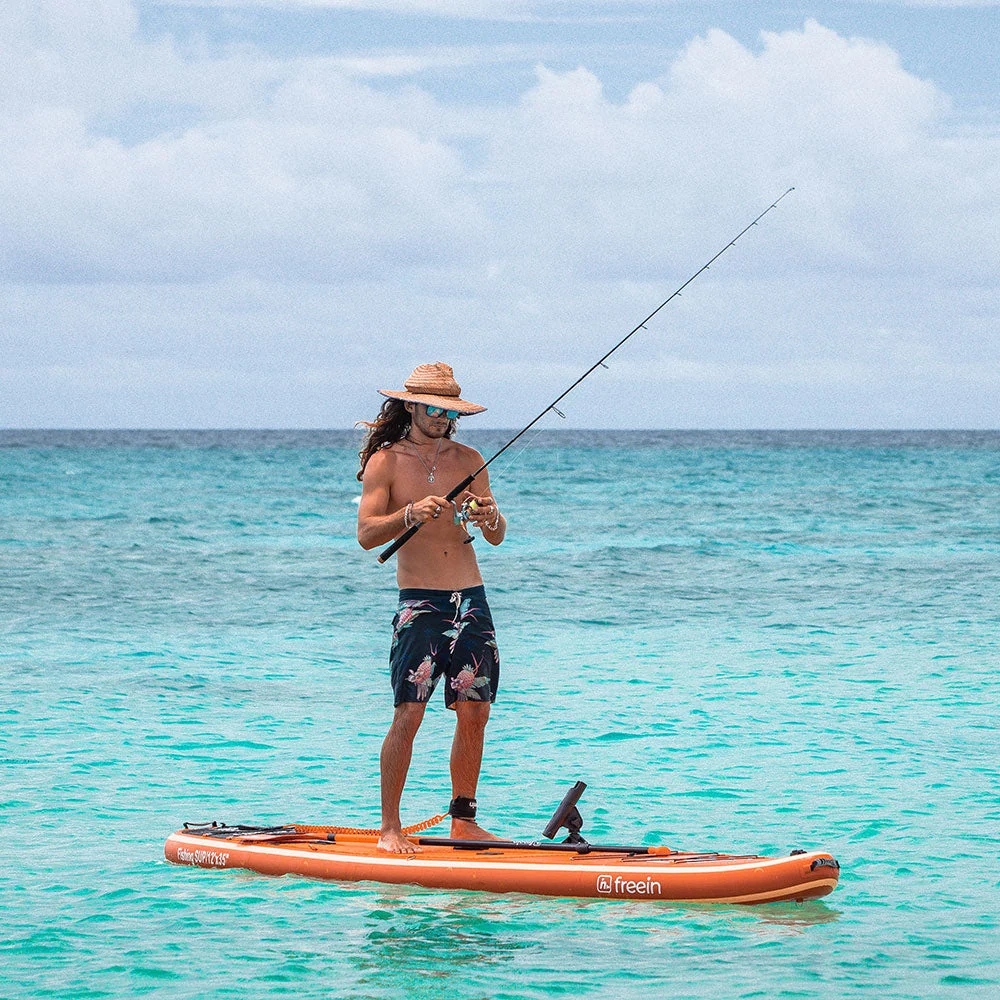
Fishing from a paddle board offers a different way to enjoy the outdoors.
Instead of using a traditional fishing boat, you can paddle into quieter areas and explore locations that may be difficult to reach from shore.
For fishing, prioritize:
-
A wide and stable platform.
-
Sufficient weight capacity for you and your equipment.
-
Secure storage areas.
-
Fishing rod holder compatibility.
-
Convenient attachment points.
Remember that fishing gear, coolers, and other equipment add considerable weight. Always calculate your total load before selecting a board.
Family and Recreational Adventures

Some boards are designed for individual riders, while specialized larger boards can accommodate multiple users.
For family use, think about:
-
The weight of the heaviest rider.
-
Whether children will use the board independently.
-
The total weight of passengers and equipment.
-
The available standing space.
-
How easy the board is to carry and inflate.
Do not assume that a regular one-person SUP is suitable for carrying two adults simply because its advertised weight capacity appears high.
2. Choose the Right Paddle Board Length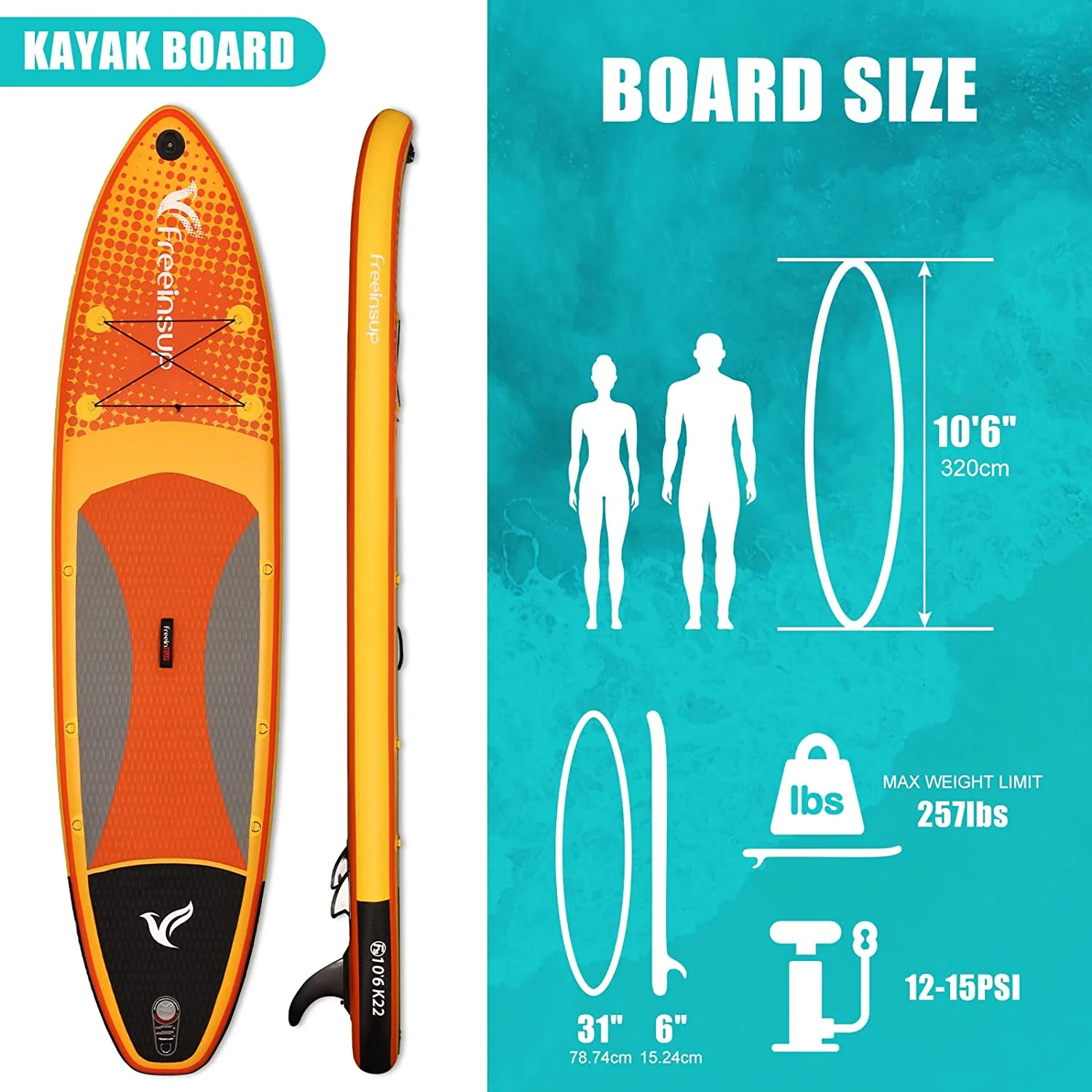
Length is one of the first specifications you will see when shopping for an inflatable paddle board.
Most recreational inflatable SUPs are approximately 9 to 12 feet long, although specialized touring and multi-person models can be longer.
The length affects how the board moves through the water.
Short Paddle Boards: Around 9–10 Feet
Shorter boards are generally easier to maneuver and turn.
They may be suitable for:
-
Smaller adults.
-
Children and teenagers.
-
Casual recreational paddling.
-
Paddlers who prioritize easy handling.
However, shorter boards may not glide as efficiently as longer touring models.
Medium Paddle Boards: Around 10–11 Feet
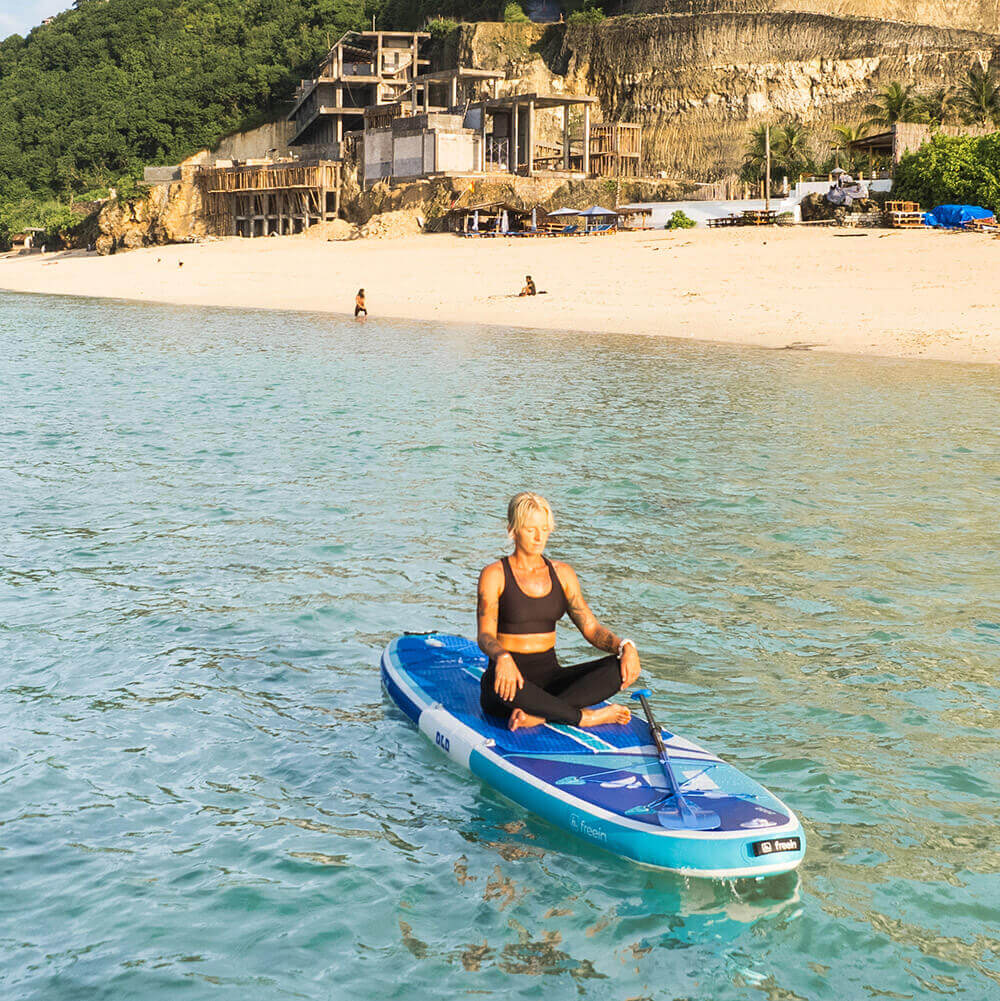
For many recreational users, a board around 10’6″ is a practical starting point.
This size range offers a useful balance between handling, stability, and versatility.
It can work well for:
-
Beginner paddlers.
-
Casual lake adventures.
-
General recreational use.
-
People who want one board for different activities.
If you are purchasing your first inflatable SUP and do not have a specialized purpose, an all-around model in this range is worth investigating.
Long Paddle Boards: Around 11–12.5 Feet or More
Longer boards generally provide better straight-line tracking and can be more efficient for covering distance.
They are often preferred by:
-
Touring enthusiasts.
-
Experienced paddlers.
-
People who enjoy longer paddling trips.
-
Users carrying additional equipment.
The trade-off is that longer boards may be more difficult to turn and transport.
Buying tip: Do not select a board based on length alone. Width, volume, construction, and weight capacity are equally important.
3. Pay Attention to Paddle Board Width and Stability
If you are a beginner, stability should be one of your biggest priorities.
Many first-time paddlers assume that a longer board automatically provides better balance. In reality, board width and overall shape play a major role in how stable it feels.
For general recreational use, these approximate width ranges can help you compare different models:
| Board width | Typical characteristics |
|---|---|
| 28–30 inches | Narrower, often performance-oriented |
| 30–32 inches | Balance between speed and stability |
| 32–34 inches | Good starting range for many beginners |
| 34–36 inches | Wider platform for specialized stability needs |
A wider board generally offers a more forgiving platform, particularly when you are still learning how to stand and paddle.
However, extra width can create more water resistance, meaning you may need additional effort to maintain speed.
What Width Should Beginners Choose?
For many adult beginners, a board approximately 32–34 inches wide is a reasonable starting point.
If you are heavier, carry additional equipment, or simply prefer a more stable platform, consider a wider model with adequate volume and load capacity.
If speed and distance matter more than maximum stability, a narrower touring design may be more appropriate once you have developed your paddling skills.
4. Understand Thickness and Volume
Thickness affects the amount of air volume inside an inflatable paddle board.
Many recreational inflatable SUPs are approximately 6 inches thick, although thinner models are also available.
A thicker board can provide more internal volume and support greater loads, depending on its overall dimensions and construction.
However, thickness alone does not determine quality.
Two boards with identical dimensions can feel very different because of differences in materials, internal construction, and inflation pressure.
When comparing products, consider:
-
Overall board dimensions.
-
Maximum recommended load.
-
Construction technology.
-
Recommended inflation pressure.
-
Intended paddling conditions.
A board with adequate volume and stiffness can help keep you comfortably supported above the water.
Do not automatically assume that the thickest board is the best one. The complete design matters more than a single specification.
5. Check the Weight Capacity Before Buying
Weight capacity is one of the most important factors when learning how to choose an inflatable paddle board.
Every board has a recommended maximum load. This tells you how much weight the board is designed to support under the manufacturer’s stated conditions.
Your total load may include:
-
Your body weight.
-
Clothing and personal belongings.
-
Water bottles.
-
Dry bags.
-
Fishing equipment.
-
Coolers.
-
Pets.
-
Additional passengers, if the board is designed for them.
For example, imagine you weigh 180 pounds and plan to bring 20 pounds of equipment.
Your total load is 200 pounds.
You should not select a board with a maximum capacity of 200 pounds simply because the numbers match. Operating close to the maximum rating can compromise the board’s performance and leave little room for additional equipment.
It is generally sensible to leave a reasonable capacity margin.
Maximum Capacity vs. Comfortable Operating Load
These two concepts are not necessarily the same.
A manufacturer may advertise a maximum weight capacity, but the board’s comfort and stability can depend on how close you are to that limit.
A board with a higher capacity is not automatically more stable either. Width, volume distribution, stiffness, and rider position all matter.
Always read the manufacturer’s specifications and choose a model suitable for your actual needs.
6. Compare Materials and Construction Quality
Not all inflatable paddle boards are constructed in the same way.
Although many products look similar in online photographs, their internal construction can influence stiffness, durability, and overall performance.
Single-Layer Construction
Single-layer construction generally focuses on keeping manufacturing costs and board weight lower.
It may be suitable for budget-conscious recreational buyers, depending on the specific materials and manufacturing quality.
Double-Layer Construction
Double-layer construction uses additional material layers to improve structural support.
It may offer better resistance to wear and help the board maintain its shape when properly inflated.
However, additional layers can also increase weight and cost.
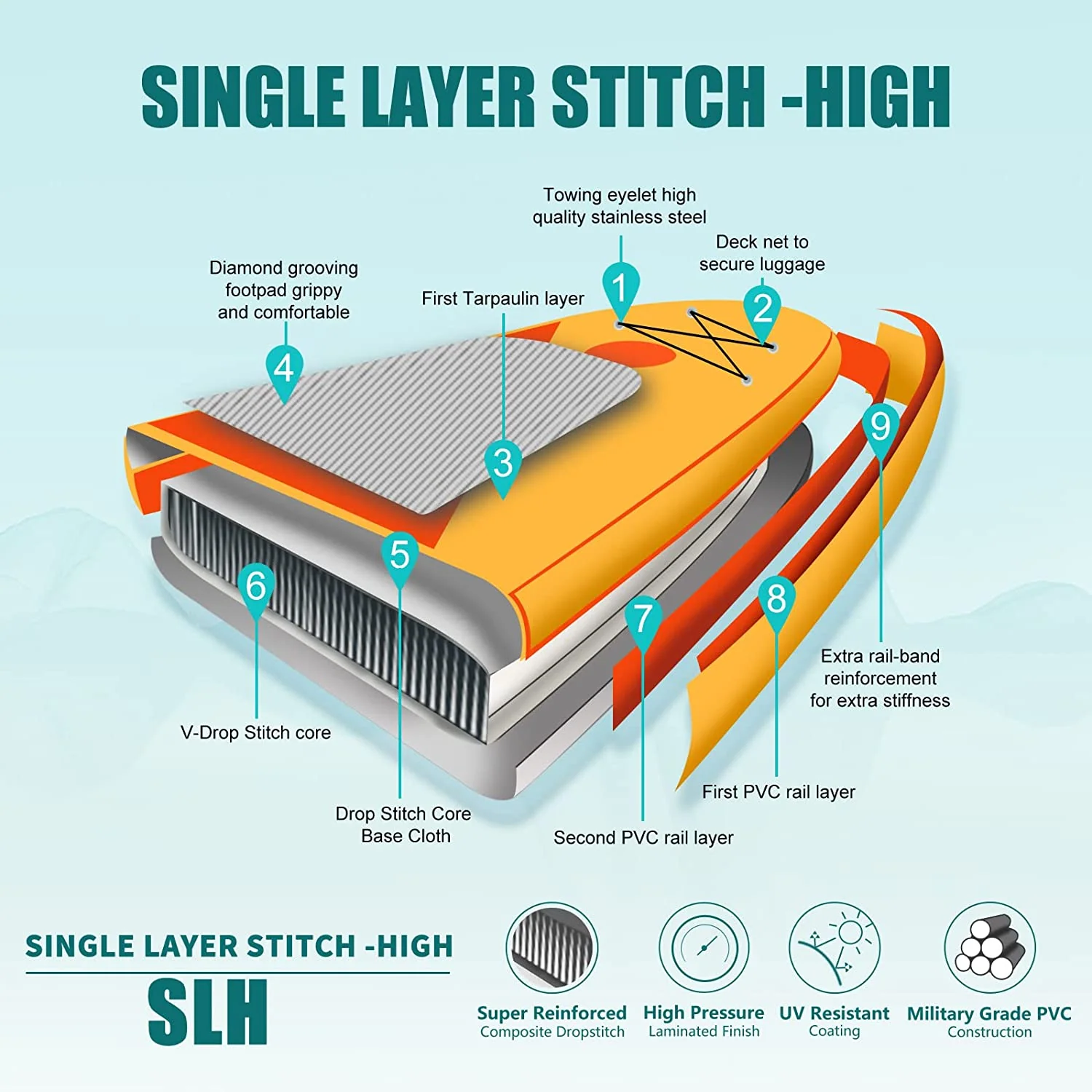
Drop-Stitch Technology
Drop-stitch construction is an important technology used in inflatable paddle boards.
It involves thousands of connecting threads between the upper and lower surfaces. When inflated, these connections help the board maintain a relatively flat, rigid shape.
When evaluating a board, consider the entire construction rather than relying on marketing terms alone.
Look for clear information about:
-
PVC material.
-
Drop-stitch construction.
-
Reinforced seams.
-
Fin attachment systems.
-
Valve quality.
-
Manufacturer warranty.
A well-constructed inflatable SUP should feel firm when inflated according to its manufacturer’s recommended pressure.
7. Check the Recommended Inflation Pressure (PSI)
PSI stands for pounds per square inch and measures air pressure inside the board.
Inflation pressure is important because an inflatable SUP needs sufficient internal pressure to maintain its intended shape and stiffness.
Some inflatable paddle boards recommend pressures around 12–15 PSI, while other models have different requirements.
Never assume that every SUP should be inflated to the same PSI.
Always follow the pressure printed on the board or provided in its instruction manual.
Underinflation can make a board feel soft and less responsive. Excessive pressure can damage the board and may invalidate the warranty.
Manual Pump vs. Electric Pump
A manual pump is commonly included with inflatable SUP packages.
It does not require electricity, making it useful for outdoor locations.
An electric pump can make preparation more convenient, particularly if you paddle frequently or own multiple boards.
Before purchasing an electric pump, verify that it is compatible with your board’s valve and pressure requirements.
8. Consider the Shape and Fin System
The shape of a paddle board influences how it behaves on the water.
An all-around board usually has a rounded nose and a relatively balanced outline. It is designed for general recreational paddling.
A touring board generally has a more pointed nose, helping it move efficiently in a straight line.
The fin system is another detail worth checking.
Fins help improve directional stability and tracking. Some boards have a single central fin, while others use a combination of center and side fins.
Before buying, check:
-
Whether fins are removable.
-
How the fins attach.
-
Whether replacement fins are available.
-
Whether the fin system suits your intended activity.
A simple fin system can be particularly convenient for beginners who want an easy setup.
9. Look for Useful Accessories Included in the Package
One common mistake is comparing paddle board prices without checking what is included.
A low-priced board may require you to purchase several accessories separately.
A complete inflatable SUP package can offer better convenience and value.
Here are some accessories worth considering.
| Accessory | Why it matters |
|---|---|
| Adjustable paddle | Helps you maintain a comfortable paddling position |
| Hand pump | Inflates the board |
| Electric pump | Makes inflation more convenient |
| Travel backpack | Helps transport and store the board |
| Removable fin | Supports directional stability |
| Safety leash | Helps keep the board close after a fall |
| Repair kit | Useful for minor repairs |
| Kayak seat | Allows compatible SUPs to be used in a seated position |
For first-time buyers, a complete package is often easier than purchasing each component separately.
Make sure the included accessories are suitable for the exact model rather than assuming every package contains the same items.
10. Should You Choose a Regular Inflatable SUP or a 2-in-1 SUP Kayak?
This is an important question if you enjoy different water activities.
A traditional stand-up paddle board is designed primarily for standing and paddling with a single-blade paddle.
A convertible SUP kayak offers another option: it can be configured with a seat and a compatible paddle for seated kayaking.
Benefits of a Traditional SUP
A traditional SUP may be a better choice if you:
-
Prefer standing while paddling.
-
Want a simple recreational setup.
-
Prioritize a specific paddling style.
-
Do not need kayak functionality.
Benefits of a Convertible SUP Kayak
A 2-in-1 design may be useful if you:
-
Want both standing and seated paddling options.
-
Enjoy switching activities.
-
Prefer additional flexibility.
-
Want one board for different recreational experiences.
However, check whether the seat, paddle, and attachment points are actually included.
Not every inflatable SUP can safely or conveniently be converted into a kayak.
11. How to Choose an Inflatable Paddle Board for Different Users
Your experience level and physical requirements should influence your purchase.
For Beginners
Prioritize stability, easy handling, and a complete accessory package.
A general-purpose board around 10’6″ long and 32–34 inches wide is a useful starting point for many adults.
Avoid choosing a narrow performance board simply because it looks faster.
For Heavier Paddlers
Look for adequate volume, width, stiffness, and weight capacity.
Do not focus only on the advertised maximum load. Consider how the board performs with your actual body weight and equipment.
For Children
Children generally need a board appropriate for their size, weight, and skill level.
A smaller, lighter board may be easier for them to handle.
Parents should supervise children on the water and ensure that appropriate personal flotation equipment is used.
For Dog Owners

If you want to bring your dog, check the deck space, load capacity, and surface material.
A comfortable deck pad and sufficient stability can make a difference.
You should also consider your dog’s size and behavior. Not every dog will immediately feel comfortable on a floating board.
For Fishing Enthusiasts
Look for a wider platform, sufficient capacity, and useful mounting points.
Storage space and fishing rod compatibility may also be important.
A dedicated fishing SUP may be more appropriate than a standard recreational board.
12. Is FreeinSUP Worth Considering?

After understanding the main buying factors, you may want to explore actual products that match your requirements.
One brand worth considering is FreeinSUP, which offers inflatable paddle boards designed for recreational paddling and different water activities.
The brand highlights several features on its website, including double-wall fabric (DWF), 3D weaving technology, portability, and accessories for different paddling configurations.
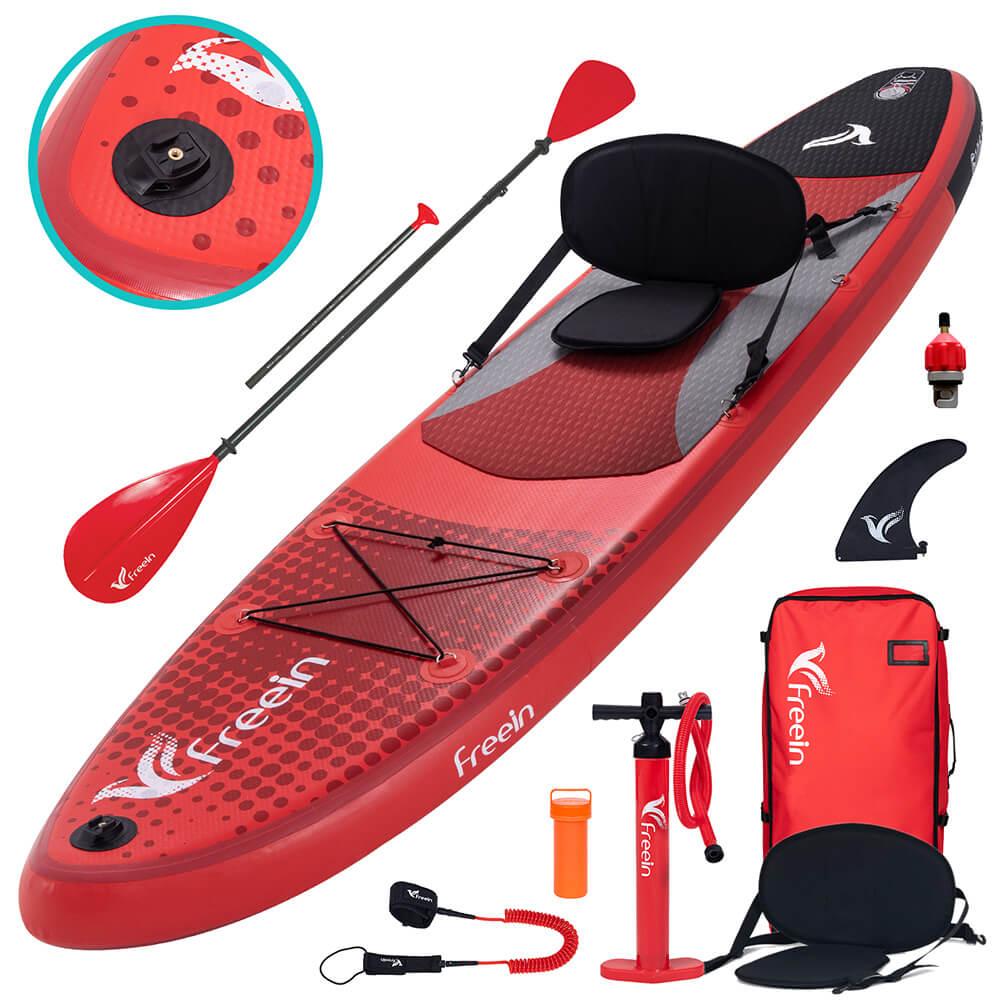
One particularly interesting option is its convertible Kayak SUP.
Freein Kayak SUP: A Versatile Option for Recreational Paddlers
According to FreeinSUP’s FAQ, the Kayak SUP is its most popular SUP recommendation and is suitable for different skill levels.
The brand describes it as suitable for intercoastal waters and calm ocean conditions. As with any inflatable board, actual suitability depends on the paddler’s ability, weather, water conditions, and the exact model specifications.
Why might this model be worth considering?
1. Two ways to enjoy the water
The convertible design allows users to enjoy traditional stand-up paddling and seated kayaking when the appropriate seat and paddle are included or purchased separately.
2. Flexible recreational use
This configuration may appeal to people who want more than one paddling experience without buying two separate watercraft.
3. Beginner-friendly versatility
The brand recommends its Kayak SUP for beginners as well as more experienced users. However, beginners should still check the exact dimensions and load capacity before purchasing.
4. Construction and portability
FreeinSUP highlights its double-wall fabric and 3D weaving construction, designed to provide a combination of stiffness and portability.
Another Option: Freein 10′ All Around Inflatable SUP
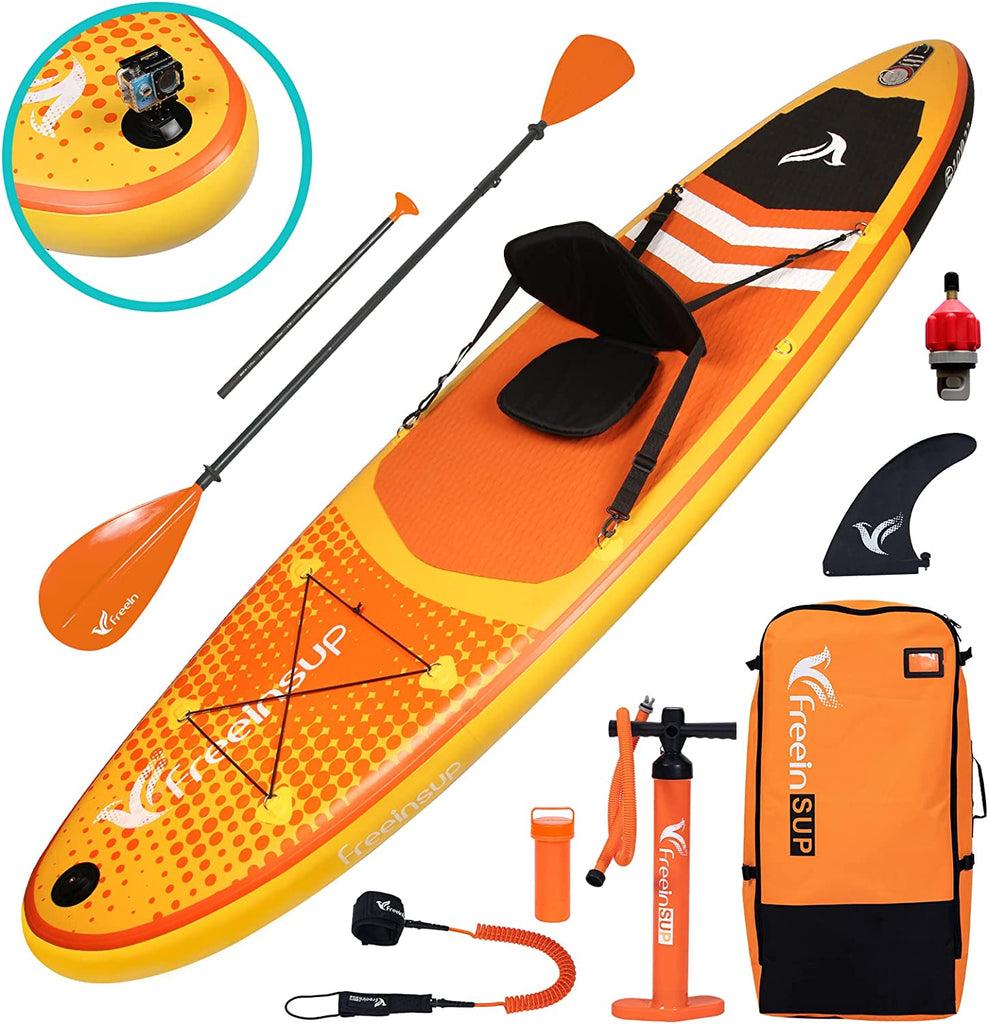
Another product listed on the FreeinSUP storefront is the Freein 10′ All Around SUP.
Its published product specifications include:
| Specification | Listed details |
|---|---|
| Length | 10 feet |
| Width | 33 inches |
| Thickness | 6 inches |
| Board weight | 18.7 lbs |
| Maximum weight capacity | 270 lbs |
| Recommended inflation | 12–14 PSI |
| Paddle | Convertible SUP/Kayak paddle |
| Fin system | 2 + 1 fins |
| Kayak seat | Detachable seat listed as included |
These specifications make it an interesting option for people looking for a compact all-around board with kayak functionality.
However, product availability, pricing, colors, and package contents can change. Check the current product listing before ordering.
Explore FreeinSUP’s inflatable paddle board collection here: https://freeinsup.com/
13. How Much Should You Spend on an Inflatable Paddle Board?
Price is another important factor when choosing an inflatable SUP.
The cheapest board is not necessarily the best value, and an expensive model is not automatically the right choice for your needs.
Instead of focusing only on the initial price, consider what you receive in the package and how frequently you expect to use the board.
Here is a general way to think about different budget levels:
| Budget category | What to look for |
|---|---|
| Budget-friendly | Basic recreational board and essential accessories |
| Mid-range | Better construction, useful accessories, and improved versatility |
| Premium | Advanced materials, specialized designs, and performance features |
These are purchasing categories rather than fixed market prices. Actual prices vary by brand, promotions, and product specifications.
What Should You Prioritize?
If you have a limited budget, prioritize these features:
-
Suitable weight capacity.
-
Appropriate board width and dimensions.
-
Reliable construction.
-
A compatible pump and paddle.
-
A clear warranty and return policy.
You can always purchase additional accessories later.
However, replacing a board that is unsuitable for your weight or intended activity can be much more expensive.
14. Common Mistakes to Avoid When Buying an Inflatable Paddle Board
Even experienced online shoppers can make mistakes when comparing inflatable SUPs.
Here are some common problems to avoid.
Mistake 1: Choosing based on appearance alone
A beautiful design does not guarantee good performance. Always examine dimensions, construction, and capacity.
Mistake 2: Ignoring weight capacity
Remember to include your equipment and other items when calculating your total load.
Mistake 3: Buying a board that is too narrow
A narrow board may be harder for beginners to balance on. Prioritize stability if you are learning.
Mistake 4: Assuming every inflatable SUP includes a kayak seat
Some models are compatible with kayak seats, but the seat may be sold separately.
Check the exact package contents.
Mistake 5: Ignoring the warranty
Read the warranty terms carefully. Check what is covered, how long coverage lasts, and which types of damage are excluded.
Mistake 6: Forgetting storage and transportation
One of the biggest advantages of an inflatable SUP is portability. However, you should still consider its packed dimensions and total weight.
Mistake 7: Ignoring water conditions
Not every recreational inflatable SUP is appropriate for rough seas, strong currents, or challenging rivers.
Choose a board that matches your experience and intended environment.
15. Practical Buyer Guide: How to Choose the Right Inflatable Paddle Board
If you are still unsure which board to buy, use this practical buyer guide before making your final decision.
Step 1: Identify Your Main Activity
Ask yourself:
-
Will I mainly paddle on lakes?
-
Do I want to explore rivers or coastal waters?
-
Will I use the board for fishing?
-
Do I want a SUP that can convert into a kayak?
-
Will children or family members use it?
Your answers will help narrow down the available options.
Step 2: Check Your Weight and Equipment
Calculate your combined weight, including:
-
Your body weight.
-
Personal belongings.
-
Water and food.
-
Additional equipment.
-
Any other permitted passengers.
Choose a board with a suitable capacity margin.
Step 3: Compare Dimensions
For many beginners, an all-around inflatable SUP around 10’6″ long and 32–34 inches wide is a reasonable starting point.
Adjust these dimensions based on your weight, skill level, and intended activity.
Step 4: Examine Construction
Look for reliable materials, quality seams, drop-stitch construction, and clear inflation instructions.
Do not rely exclusively on advertising claims.
Step 5: Compare Accessories
Check whether the package includes the paddle, pump, fins, leash, backpack, repair kit, and other items you need.
Step 6: Review Warranty and Returns
Before completing your order, check:
-
Warranty duration.
-
What types of defects are covered.
-
Return conditions.
-
Shipping costs.
-
Customer support availability.
Step 7: Compare Your Final Choices
Do not rush into buying the first board you find.
Compare at least two or three models that meet your requirements. The best choice is the one that provides the right combination of stability, capacity, construction, portability, and price.
16. Final Checklist Before Purchasing
Use this checklist to make sure you have considered the most important factors.
If you can check all these boxes, you are in a much better position to make an informed purchase.
17. Frequently Asked Questions About Choosing an Inflatable Paddle Board
1. What size inflatable paddle board is best for beginners?
For many adult beginners, an all-around paddle board approximately 10’6″ long and 32–34 inches wide is a practical starting point.
This size range offers a balance between stability, maneuverability, and general recreational performance.
However, your body weight, experience, and intended activity should also influence your choice.
2. Are inflatable paddle boards good for beginners?
Yes. Inflatable paddle boards can be an excellent choice for beginners because they are portable, convenient to store, and available in stable all-around designs.
Look for a board with adequate width, volume, weight capacity, and stiffness.
It is also important to practice in calm water and learn basic paddling and safety techniques before exploring unfamiliar locations.
3. How much weight can an inflatable paddle board hold?
Weight capacity varies considerably between models.
Some recreational boards are designed for lighter individual riders, while larger specialized models can support substantially more weight.
Always check the manufacturer’s maximum capacity and consider the combined weight of your body and equipment.
4. Is a wider paddle board more stable?
Generally, yes. A wider board provides a larger platform and can feel more stable, particularly for beginners.
However, wider boards may have more water resistance and can be slower than narrower designs.
The ideal width depends on your body weight, paddling ability, and intended activity.
5. What is the difference between an inflatable SUP and a hard paddle board?
An inflatable SUP is designed to be inflated before use and deflated for storage and transportation.
A hard paddle board has a rigid construction and usually requires more storage space.
Inflatable boards are attractive to recreational users who need portability and convenient storage. Hard boards may offer advantages in certain performance-focused applications.
Neither option is universally better.
6. How long does it take to inflate an inflatable paddle board?
Inflation time depends on the board size, pump type, and the user’s effort.
A manual pump requires physical effort, while a compatible electric pump can make the process more convenient.
Always inflate the board to the manufacturer’s recommended PSI.
7. Can an inflatable paddle board be used as a kayak?
Some inflatable SUPs are designed to support a kayak seat and compatible paddle.
These convertible models allow users to switch between standing and seated paddling.
However, not every SUP supports this configuration. Check the attachment points and confirm that the required accessories are included.
8. Are inflatable paddle boards durable?
A well-made inflatable paddle board can provide many enjoyable outings when used and maintained correctly.
Durability depends on construction materials, manufacturing quality, inflation pressure, handling, and storage conditions.
Avoid dragging the board over rough surfaces, leaving it exposed to excessive heat, or storing it while wet.
9. What PSI should an inflatable paddle board have?
There is no universal PSI for every inflatable SUP.
Some recreational models recommend approximately 12–15 PSI, while other products may specify different pressure ranges.
Always follow the exact manufacturer’s instructions. Never exceed the maximum recommended pressure.
10. Is FreeinSUP a good option for beginners?
FreeinSUP is worth considering if you are looking for an inflatable paddle board with recreational versatility.
The brand recommends its convertible Kayak SUP for beginners and experienced paddlers. Its products also highlight double-wall fabric construction and accessories for different paddling configurations.
Before purchasing, compare the exact model dimensions, weight capacity, package contents, current availability, and warranty terms to make sure it matches your requirements.
11. Can I use an inflatable paddle board in the ocean?
Some inflatable SUPs can be used in suitable coastal conditions, but not every model or paddler is appropriate for ocean use.
Beginners should start in calm, protected water.
Check weather forecasts, tides, currents, wind conditions, and local regulations before heading out.
12. How should I store an inflatable paddle board?
Rinse off saltwater, dirt, and sand after use. Allow the board to dry completely before storing it.
Follow the manufacturer’s recommendations for deflation, folding, temperature, and storage conditions.
Avoid leaving an inflated board in excessive heat or direct sunlight for extended periods.
Conclusion: Choose an Inflatable Paddle Board That Fits Your Lifestyle
Choosing the right inflatable paddle board does not have to be complicated.
The most important thing is understanding how you plan to use it and selecting a model that matches your body weight, experience, and preferred activities.
For most beginners, an all-around inflatable SUP with a stable design, appropriate dimensions, and sufficient weight capacity is a sensible starting point.
If you want additional versatility, a convertible SUP kayak may be worth exploring. If you prefer fishing or long-distance paddling, look for specialized designs that meet those needs.
FreeinSUP is one brand to consider during your research, particularly if you are interested in recreational inflatable paddle boards and convertible SUP kayak options.
Take time to compare specifications, accessories, warranty coverage, and current product availability before making your decision.
Ready to explore your options?
Discover inflatable paddle boards, convertible SUP kayaks, and other water sports equipment from FreeinSUP:
Explore FreeinSUP
Find a paddle board that fits your next outdoor adventure, whether you are a beginner, a recreational paddler, or someone looking for a versatile SUP kayak.
Shop FreeinSUP Now : https://freeinsup.com/
Enjoy the water, explore new places, and choose the paddle board that makes every adventure more enjoyable!