
Preserving your vehicle’s interior value requires a proactive care strategy. Original leather seats endure daily friction, sunlight, spills, and temperature fluctuations that gradually break down factory protective coatings. Whether you drive a brand-new vehicle or are restoring an older model, implementing proper seat protection methods ensures long-term comfort and maintains resale value.
The Root Causes of Car Seat Deterioration
Car seats experience structural and surface degradation from several everyday sources:
-
UV Radiation & Heat: Ultraviolet rays evaporate essential oils bound within leather, leading to stiffness, discoloration, and eventual surface cracking.
-
Friction & Abrasion: Sliding in and out of the cabin creates continuous friction on side bolsters, wearing down topcoat dyes and weakening stitching.
-
Body Oils & Sweat: Natural skin oils penetrate porous materials, creating shiny patches, dirt build-up, and chemical degradation.
-
Liquid Spills & Moisture: Acidic beverages, water, or pet accidents cause swelling, staining, and interior foam breakdown if not immediately addressed.
Step-by-Step Cleaning and Maintenance Strategy
Routine maintenance keeps factory leather flexible and resistant to environmental stress.
1. Vacuuming and Debris Removal
-
Use a vacuum equipped with a soft-bristle attachment to extract dirt from seams and perforations.
-
Avoid pressing hard plastic nozzles against leather, as grit trapped underneath can scratch the finish.
2. Deep Cleaning
-
Apply a pH-balanced leather cleaner to a microfiber towel or soft horsehair brush.
-
Work in small, overlapping circular motions to lift embedded grime without soaking the material.
-
Wipe clean immediately with a dry microfiber cloth to remove lifted residue.
3. Conditioning and Sealing
-
Apply a dedicated leather conditioner every 3 to 6 months to replenish moisture.
-
Allow the product to absorb for 15–20 minutes before buffing off any excess product to avoid a greasy finish.
Protective Methods Comparison
Selecting the right barrier depends on your daily usage, budget, and desired interior appearance.
| Protection Method | Protection Level | Aesthetic Appeal | Installation Effort | Maintenance |
| Ceramic/Leather Coatings | Moderate (Chemicals/UV) | Factory Look | High (Requires prep) | Regular re-application |
| Universal Cover Slips | Low to Moderate | Loose / Bunched | Very Low | Frequent adjustment |
| Custom-Fit Seat Covers | Maximum (Full Shield) | Seamless OEM Look | Moderate DIY | Easy wipe-clean |
Upgrading Interior Defense with Custom-Fit Covers
While chemical conditioners slow down leather aging, physical barriers provide complete protection against physical friction, heavy spills, and UV exposure.
Generic slip-on covers often slide around, bunched-up fabric creates uneven friction, and open sides leave vulnerable areas exposed. Precision-engineered solutions shield original upholstery without compromising interior styling or seat functionality.
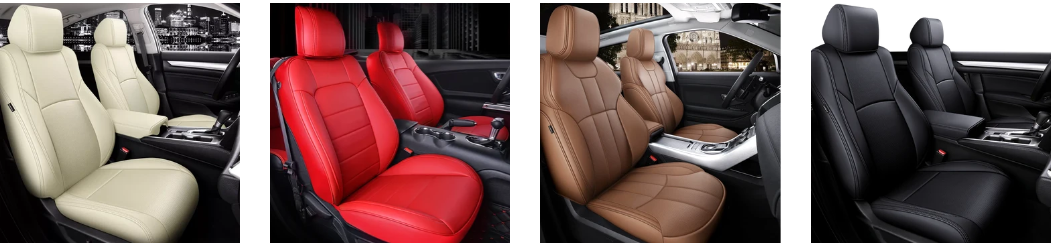
Specially tailored options like DZX Cover Custom Leather Seat Covers provide a full 360-degree protective enclosure. Engineered with 3D laser-scanning technology, these covers contour precisely to factory seats across various popular models (including Tesla, Audi, Honda, Toyota, and Ford):
-
360-Degree Full Coverage: Wraps around front and rear seat structures to shield high-wear entry bolsters, headrests, and back panels.
-
Side Airbag Compatibility: Features specialized seams designed to deploy safety airbags without obstruction during an impact.
-
Perforated Nappa & Genuine Leather: Utilizes breathable center sections to support seat heating and cooling functions while matching luxury factory interiors.
-
Non-Slip Backing: Internal anti-skid layers keep the cover firmly anchored, preventing interior wear caused by shifting fabric.
Buyer’s Guide: Choosing the Right Seat Cover

Consider these parameters when selecting an aftermarket protective cover:
-
Material Composition: Choose perforated Nappa or high-grade leatherette for a balance of durability, liquid resistance, and tactile comfort.
-
Safety Integration: Ensure the manufacturer incorporates side-airbag stitching and maintains unhindered access to ISOFIX child seat anchors and seatbelts.
-
Installation Process: Look for custom fit designs that use hidden buckles, chucks, and heavy-duty zippers to avoid complex seat removal during installation.
Frequently Asked Questions
How often should I clean and condition leather car seats?
Vacuum and wipe down surfaces every two weeks. Apply a dedicated leather conditioner every 3 to 6 months, or more frequently in dry, hot climates.
Do seat covers damage original leather underneath?
Loose universal covers can cause friction wear if grit gets trapped underneath. High-quality custom-fit covers with soft, non-slip backing shield the factory finish from wear and UV degradation without causing abrasion.
Will custom-fit seat covers block heated or ventilated seats?
Thick non-porous covers can reduce heating efficiency. Selecting perforated leather or breathable custom options ensures heat and air transfer remain effective.
Secure Your Vehicle’s Interior Value Today
Protecting your interior from daily wear requires combining routine cleaning with durable physical protection. Explore tailored protection options engineered for your vehicle’s exact make and model at DZX Custom Fit Covers.