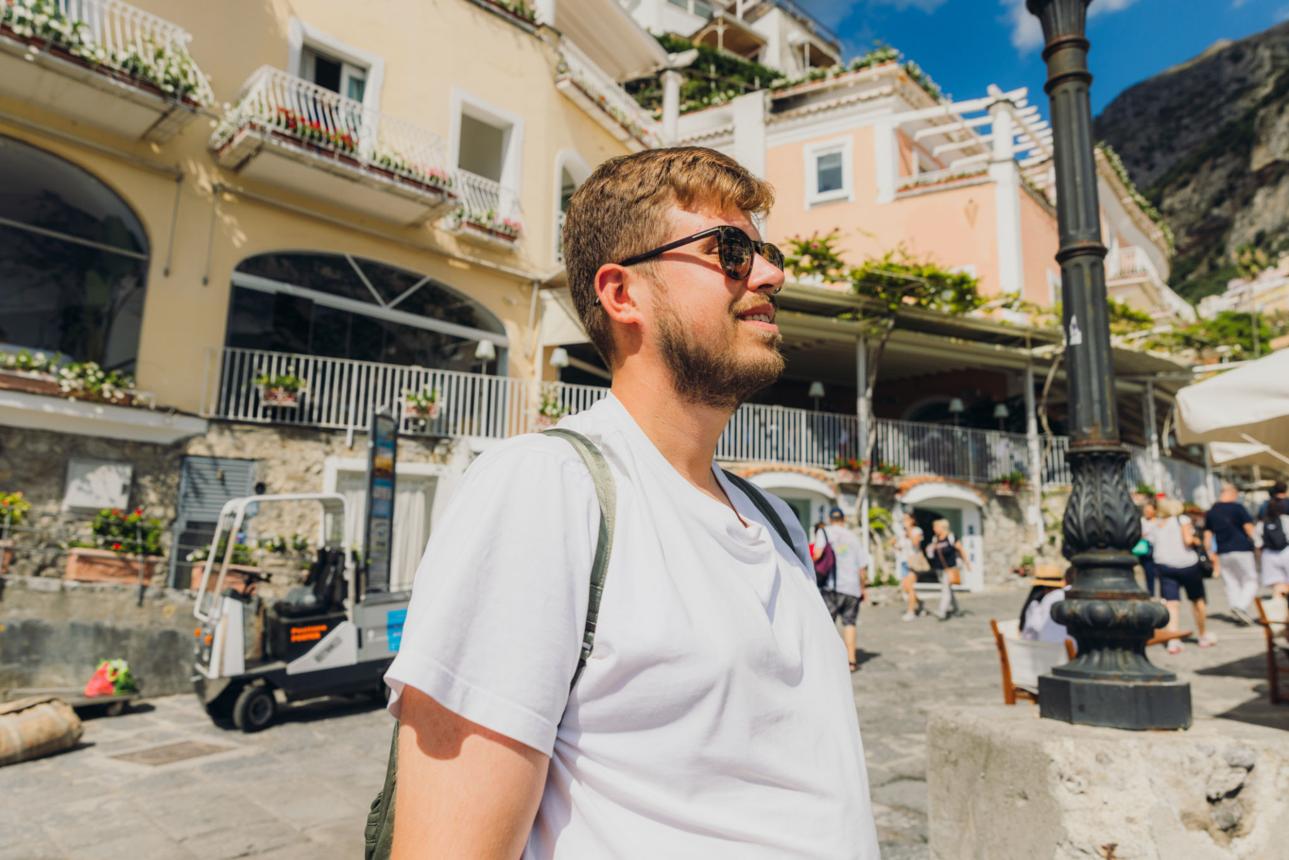
Planning an outdoor adventure can mean anything from exploring a historic city and walking along a sunny beach to hiking mountain trails or taking a scenic road trip. Whatever your itinerary looks like, a comfortable pair of sunglasses can make spending time outside more enjoyable.
However, choosing the right pair is not always straightforward. Some sunglasses look stylish but do not fit securely. Others reduce glare but may not offer the coverage you need. You may also find yourself comparing polarized lenses, UV protection, frame materials, lens colors, and prices without knowing which features matter most.
If you are wondering how to choose sunglasses, the best approach is to start with your travel plans, then evaluate lens protection, comfort, coverage, durability, and style.
This guide explains how to find the best sunglasses for outdoor travel, what to check before buying, and how to compare different frame designs. We will also look at several Eyewear styles as potential options for travelers who want a balance of fashion and practical features.
The goal is simple: help you choose sunglasses that suit your destination, activities, and budget instead of buying a pair based on appearance alone.

1. Why Choosing the Right Sunglasses Matters for Outdoor Travel
When traveling, your sunglasses may be exposed to conditions that differ significantly from those you encounter during your normal routine. Bright sunlight, reflective water, sandy beaches, mountain trails, and long hours outdoors can all influence which features are most useful.
The right pair should do more than complement your outfit. It should offer appropriate UV protection, fit securely, and remain comfortable throughout your planned activities.
– Protect your eyes from ultraviolet radiation
UV protection should be your first consideration when choosing sunglasses.
Look for lenses labeled UV400 or 100% UVA/UVB protection. These labels indicate that the lenses are designed to block harmful ultraviolet radiation across the relevant range. The National Eye Institute recommends prioritizing UV-blocking lenses rather than judging sunglasses by appearance or price.
This matters whether you are walking through a city, relaxing at a beach resort, or exploring a mountain destination.
Remember that lens darkness is not a reliable indicator of UV protection. A very dark lens without adequate UV filtering may reduce visible light without providing the protection you need.
– Reduce distracting glare
Outdoor travel often involves reflective surfaces, including roads, lakes, oceans, and snow.
Glare can make it harder to see comfortably, especially when the sun reflects directly into your eyes. Polarized lenses contain a filter designed to reduce certain types of reflected glare.
They can be particularly useful for driving during the day, fishing, boating, and spending time beside the water. However, polarization is different from UV protection, so check for both features separately.
– Stay comfortable throughout the day
A pair of sunglasses may look excellent in photographs but become uncomfortable after several hours.
Frames that press against your temples, slide down your nose, or feel too heavy can become frustrating during sightseeing and outdoor activities.
When choosing sunglasses for travel, prioritize a secure fit, suitable frame dimensions, comfortable nose contact, and adequate coverage around the eyes.
2. How to Choose Sunglasses: Seven Essential Features

– Check UV protection before anything else
The most important question is not whether the sunglasses look premium, but whether their lenses provide the necessary UV protection.
Before buying, look for:
-
A UV400 rating or a clearly stated 100% UVA/UVB protection claim.
-
Reliable product documentation or labeling.
-
A reputable seller who can explain the lens specifications.
-
A frame shape that provides sufficient coverage for your intended activities.
If the specifications are unclear, ask the retailer or an optician to clarify them before purchasing.
– Decide whether polarized lenses are right for you
Polarized sunglasses can make outdoor activities more comfortable by reducing reflected glare.
They are worth considering for:
-
Beach holidays and coastal walks.
-
Boat trips and fishing.
-
Daytime driving.
-
Outdoor sightseeing near water.
-
Activities around reflective surfaces.
However, polarization is not essential for every traveler. It may also make some LCD screens harder to view at certain angles. If you frequently use a phone, watch, or vehicle display outdoors, consider testing the lenses first.
– Choose a frame with sufficient coverage
Sunglasses that leave large gaps around the eyes may allow sunlight to enter from the sides, top, or bottom.
Larger lenses and close-fitting frames can improve coverage. Wraparound styles may be especially useful for activities where sunlight reaches the face from multiple directions.
For casual travel, you do not necessarily need a sporty wraparound design. A well-fitting rectangular, square, or rounded frame can be a practical option if it provides suitable coverage.
The key is to evaluate the fit on your face rather than assuming a particular shape will work for everyone.
– Select the right frame material
Frame materials affect weight, flexibility, appearance, and maintenance.
Acetate frames are popular for their polished finish, rich colors, and distinctive patterns. They can be an attractive option for city breaks, restaurants, museums, and casual everyday travel.
Lightweight plastic frames can be useful for travelers who prioritize low weight or affordability. The performance depends on the specific polymer and construction.
Metal frames may suit travelers who prefer a slim, understated appearance, although the fit, finish, and construction still need to be considered.
There is no single best material for every trip. Choose one that balances comfort, design, and the conditions in which you plan to wear your sunglasses.
– Consider lens color and visual comfort
Lens color influences how the world appears through your sunglasses, but it does not establish the level of UV protection.
-
Gray lenses: Often a versatile option for everyday outdoor use because they generally preserve natural color perception.
-
Brown or amber lenses: May enhance perceived contrast in some environments.
-
Green lenses: Can provide a balanced visual appearance, depending on the lens design.
-
Mirrored lenses: Reflect some incoming visible light and create a distinctive look.
Your choice should depend on personal preference, the activity, and the manufacturer’s lens specifications. No tint should be treated as a substitute for verified UV protection.
– Make sure the sunglasses fit securely
A secure fit is particularly important when you are walking long distances, navigating crowded streets, or spending the day outdoors.
Check the following:
-
The frame does not slide down when you look down.
-
The temples do not pinch behind your ears.
-
The bridge rests comfortably on your nose.
-
The lenses cover the eye area adequately.
-
The frame remains stable during normal movement.
If ordering online, compare the measurements with a pair you already own. Check the return policy in case the fit is not right.
– Balance style, durability, and budget
The best sunglasses for outdoor travel do not have to be the most expensive.
A sensible purchase balances lens protection, comfort, build quality, and style. If you expect to wear your sunglasses every day on a long trip, investing in a well-made pair may be worthwhile.
If your trip involves demanding sports, rough terrain, or frequent physical activity, prioritize frames designed for those conditions over purely fashion-focused features.
3. How to Choose Sunglasses for Different Travel Destinations

The best sunglasses for outdoor travel depend partly on where you are going and what you plan to do.
– Beach holidays
Beaches expose you to bright sunlight and reflected light from sand and water.
Look for UV400 or 100% UVA/UVB protection, comfortable coverage, and polarized lenses if you want to reduce reflected glare.
A close-fitting frame can help limit light entering around the sides. A wide-brimmed hat provides additional shade.
Fashion-focused acetate sunglasses can work well for relaxing on the beach or walking along a promenade, provided they have appropriate lenses and fit securely.
– Mountain hiking
Mountain environments can present additional UV exposure, particularly at higher elevations and around snow.
Choose sunglasses with reliable UV protection and adequate coverage. For hiking on exposed trails, consider a secure frame that stays in place as you move.
If your itinerary includes climbing, cycling, or other demanding activities, consider eyewear specifically designed for that use. Everyday fashion sunglasses may not provide the retention or impact protection required for every sport.
– City sightseeing
For city travel, versatility is often the priority.
You may spend the day walking between landmarks, visiting outdoor markets, eating at cafés, and taking photographs. A comfortable pair that works with multiple outfits can be more practical than a highly specialized design.
Classic rectangular frames, geometric acetate sunglasses, and understated black or tortoiseshell styles are all worth considering.
Look for UV protection, a comfortable fit, and a frame that does not become tiring during extended wear.
– Road trips and daytime driving
Reflected glare from roads and vehicle surfaces can make driving less comfortable.
Polarized lenses may help reduce this glare, but make sure the sunglasses also have appropriate UV protection. Check whether the tint allows you to see road signs, dashboard displays, and changing light conditions comfortably.
Never use dark sunglasses at night or in conditions where reduced visible light would compromise your vision.
– Tropical destinations
Traveling to tropical locations often means spending extended periods outdoors.
Prioritize reliable UV protection, a comfortable fit, and a frame that provides good coverage. Keep a protective case in your day bag and avoid leaving sunglasses in hot vehicles.
A versatile everyday pair may be sufficient for sightseeing, while activities such as water sports or hiking may require more specialized eyewear.
4. Best Sunglasses for Outdoor Travel: Styles Worth Considering
If you want sunglasses that work for sightseeing, casual outfits, and everyday outdoor use, it can be helpful to compare several frame styles before choosing a material or brand.
The following options focus on different travel preferences rather than claiming a verified sales ranking.

Classic rectangular sunglasses
A versatile option for travelers who prefer understated styling. Rectangular frames can pair with casual clothing, smart-casual outfits, and business travel wardrobes.
Consider them for: City breaks, sightseeing, restaurants, and everyday wear.
What to check: Frame width, bridge fit, lens coverage, and verified UV protection.

Tortoiseshell and geometric sunglasses
Patterned acetate frames offer a more distinctive look. Their warm colors can complement neutral clothing and travel outfits without relying on oversized designs.
Consider them for: Leisure trips, resort holidays, and travelers who enjoy classic fashion accessories.
What to check: Frame weight, fit, and whether the lens specifications suit your outdoor activities.

Wraparound sports sunglasses
Designed to sit closer to the face, these can provide greater coverage and a more secure fit for active use.
Consider them for: Hiking, cycling, boating, and other outdoor activities when the design is appropriate.
What to check: Activity-specific suitability, impact protection, retention, ventilation, and UV protection.
5. MONCADA Eyewear: A Fashion-Focused Option for Travelers
For travelers who prefer a more refined everyday look, MONCADA Eyewear is one brand worth exploring alongside other sunglasses options.
The brand’s catalog includes Italian bio-acetate frames, geometric silhouettes, classic rectangular shapes, and selected models with polarized TAC lenses and stated Category 3 UV400 protection. These features may appeal to travelers looking for fashion-oriented sunglasses with published lens specifications.
However, frame style alone does not determine whether sunglasses are suitable for every outdoor activity. If you are planning technical hiking, cycling, or water sports, compare the product with eyewear specifically designed for that activity.
Troisi: A versatile, classic-inspired design

MONCADA Troisi
Troisi features a boxy yet relatively slim silhouette inspired by classic Italian eyewear. The brand lists Italian bio-acetate construction, a metal core, polarized TAC lenses, and Category 3 UV400 protection for the model.
This style is worth considering if you want one pair that can complement casual outfits, city sightseeing, and everyday travel.
– Dante: A distinctive geometric frame

MONCADA Dante
Dante offers a more expressive geometric design. Its Black Havana version combines a patterned appearance with a contemporary silhouette.
The brand lists Italian bio-acetate, a metal core, polarized TAC lenses, and Category 3 UV400 protection. Check the current listing for the exact variant and its availability.
This may suit travelers who want their sunglasses to function as a style accessory as well as practical outdoor eyewear.
– Vulcano: A bolder style for leisure travel

MONCADA Vulcano
Vulcano has a bold, fashion-focused appearance that may appeal to travelers who prefer more prominent frames.
The product page lists polarized TAC lenses and Category 3 UV400 protection. However, the specific Black Havana listing has shown a sold-out status, so confirm availability or look for another variant before ordering.
These models are examples of designs to compare, not independently verified bestsellers. Product availability, prices, and specifications can change.
– Where to explore MONCADA sunglasses
If you are comparing frame shapes for your next trip, browsing the full collection is a useful next step. Check the lens specifications, frame measurements, warranty terms, shipping conditions, and return policy for the exact model you select.
– Find sunglasses for your next adventure
Explore MONCADA’s eyewear collection and compare classic, geometric, and contemporary styles before choosing your next pair.
Explore MONCADA EyewearAffiliate disclosure: This article contains an affiliate link. The publisher may earn a commission from qualifying purchases at no additional cost to the buyer.
6. Buyer Guide: How to Choose the Right Sunglasses Before Your Trip
Use this checklist when comparing products online or in a store.
– Pre-trip sunglasses checklist
0/8
Copy checklist
– Understand lens categories
Some sunglasses sold in Europe use filter categories to describe how much visible light the lenses transmit. These categories are distinct from UV protection ratings.
| Lens category | General use |
|---|---|
| Category 0 | Very light tint; mainly fashion or indoor use |
| Category 1 | Light tint; low-light or limited sunlight conditions |
| Category 2 | Medium tint; moderate sunlight |
| Category 3 | Darker tint; bright sunlight, beaches, and general outdoor use |
| Category 4 | Very dark tint for extreme brightness, such as some high-mountain environments |
Category 4 sunglasses are generally not suitable for driving. For any category, confirm UV protection separately; lens darkness alone does not prove adequate protection.
– Compare the frame dimensions
Product listings commonly display three numbers, such as 49-22-145 mm.
These usually refer to lens width, bridge width, and temple length. Compare them with a pair you already own, while remembering that the total frame width and shape also affect the fit.
If you are ordering from another country, check the return policy before buying.
– Consider your trip length and activities
For a weekend city break, a stylish everyday pair may be sufficient. For a multi-week outdoor trip, comfort, reliable construction, and easy cleaning become more important.
For sports or demanding environments, choose sunglasses designed for the activity rather than relying on a fashion frame simply because it has polarized lenses.
– Protect your sunglasses while traveling
Store your sunglasses in a protective case when they are not in use. Keep them away from excessive heat, avoid wiping dusty lenses with dry fabric, and clean them according to the manufacturer’s instructions.
These simple habits can help preserve the lenses and frame throughout your trip.
7. Common Sunglasses-Buying Mistakes to Avoid
Choosing by appearance alone. A stylish frame is not enough if the lenses lack verified UV protection or the fit is uncomfortable.
Assuming polarized means UV-protective. Polarization reduces glare, but UV protection must be verified separately.
Buying a frame that is too small. A poor fit can leave gaps around the eyes and reduce coverage.
Ignoring the activity. Fashion sunglasses may be fine for sightseeing but unsuitable for high-impact sports or technical outdoor use.
Assuming expensive sunglasses are always better. Price does not automatically establish UV protection, durability, or comfort.
Forgetting the return policy. Online product photographs cannot fully show how a frame will fit your face.
8. Frequently Asked Questions
– How do I choose sunglasses for outdoor travel?
Start by confirming UV400 or 100% UVA/UVB protection. Then consider polarization, frame coverage, comfort, weight, durability, and the activities you plan to do. For hiking or sports, prioritize eyewear designed for those conditions.
– What are the best sunglasses for outdoor travel?
The best sunglasses for outdoor travel are those that combine appropriate UV protection, a comfortable and secure fit, sufficient coverage, and features suited to your destination. Polarized lenses can be helpful around reflective surfaces, while sports-specific frames may be preferable for demanding activities.
– Are polarized sunglasses better for traveling?
They can be useful for driving, beach holidays, boating, and other activities where reflected glare is a concern. However, polarization is not essential for every traveler and does not replace UV protection.
– Is UV400 the same as polarized?
No. UV400 describes protection against ultraviolet radiation up to 400 nanometers. Polarization reduces certain types of reflected glare. Some sunglasses provide both features, but you should check the specifications separately.
– Are dark sunglasses safer than light-colored sunglasses?
Not necessarily. Lens darkness does not establish UV protection. Choose sunglasses with verified UV400 or 100% UVA/UVB protection, regardless of lens color.
– Are acetate sunglasses good for travel?
Acetate sunglasses can be a good option for everyday travel if they fit comfortably, provide adequate coverage, and have suitable lenses. Their polished finishes and varied colors make them attractive for sightseeing and casual outfits. For sports, choose a frame designed for the intended activity.
– Should I choose large or small sunglasses for outdoor travel?
Larger lenses can provide more coverage, while close-fitting frames can help reduce sunlight entering from the sides. The right choice depends on your face shape, comfort, and intended use. Do not sacrifice a secure fit for a larger frame.
– What lens color is best for outdoor activities?
Gray lenses are a versatile option for maintaining relatively natural color perception. Brown or amber lenses may improve perceived contrast in some conditions. The best tint depends on the activity and personal preference; UV protection remains the priority.
– Are MONCADA sunglasses suitable for outdoor travel?
Selected MONCADA models list polarized lenses and Category 3 UV400 protection, which may suit general outdoor leisure and sightseeing. Check the exact product specifications and fit before buying. For specialized sports, assess whether the frame is designed for that activity.
– How much should I spend on travel sunglasses?
There is no single ideal budget. Compare UV protection, fit, lens quality, frame construction, warranty, and return terms. A more expensive pair is not automatically safer or more suitable than a less expensive one.
Final Thoughts: Find Sunglasses That Fit Your Adventure
Learning how to choose sunglasses becomes much easier when you focus on your actual needs rather than trends alone.
Start with UV protection, then compare frame coverage, comfort, lens features, and durability. Consider polarized lenses when reflected glare is a concern, and choose a frame suited to the activities on your itinerary.
For everyday sightseeing and casual travel, classic acetate frames and geometric designs can combine practical features with personal style. MONCADA Eyewear is one option worth exploring, with models such as Troisi and Dante offering different looks and published lens specifications.
Before purchasing, verify availability, the exact lens protection, fit, warranty, and return conditions.
Ready to find your next pair? Browse the available designs and compare the features that matter most for your trip.
Affiliate disclosure: This article contains an affiliate link. The publisher may earn a commission from qualifying purchases at no additional cost to the buyer.