

One of the biggest fears families face is receiving a phone call that an elderly parent has fallen and nobody was there to help.
Millions of seniors prefer to age in place. They want to stay in their own homes, maintain their routines, and enjoy the independence they’ve worked hard for throughout their lives.
However, independence comes with risks.
A simple fall can quickly become a serious medical emergency when help isn’t available immediately.
The challenge for families is finding a way to protect aging loved ones without making them feel monitored, restricted, or dependent.
This is where fall detection devices and medical alert watches have become increasingly popular.
Modern wearable safety devices can automatically detect falls, share GPS location, contact caregivers, and provide emergency communication from almost anywhere.
In this guide, you’ll learn:
- Why falls are so dangerous for seniors
- The warning signs families should never ignore
- What features matter most in a fall detection device
- Common mistakes buyers make
- The best types of devices available today
- How MedAlert compares to traditional medical alert systems

Why Falls Are One of the Biggest Health Risks for Seniors
Falls are often underestimated.
Many people imagine a fall as a minor accident that causes a bruise and nothing more.
Unfortunately, that’s not always the case.
For older adults, falls can lead to:
- Hip fractures
- Head injuries
- Internal bleeding
- Loss of mobility
- Reduced independence
- Long-term hospitalization
The biggest danger often isn’t the fall itself.
It’s the amount of time spent waiting for help.
If a senior lives alone and cannot reach a phone, hours may pass before someone discovers the situation.
This delay can significantly increase complications and recovery time.
Signs Your Parent May Need a Medical Alert Device
Many families wait too long before taking action.
Watch for these warning signs:
1. Previous Falls
A history of falling is one of the strongest predictors of future falls.
Even one fall should be taken seriously.
2. Mobility Issues
Difficulty walking, balance problems, or reliance on mobility aids increases risk.
3. Living Alone
The less daily supervision someone has, the more valuable emergency assistance becomes.
4. Memory Concerns
Seniors experiencing memory issues may forget phones, emergency numbers, or medications.
5. Chronic Health Conditions
Conditions affecting blood pressure, balance, heart health, or neurological function can increase fall risk.
What Is a Fall Detection Device?
A fall detection device is a wearable technology designed to recognize sudden movements that resemble a fall.
When a fall is detected, the device can:
- Send alerts automatically
- Notify caregivers
- Share GPS location
- Initiate emergency communication
- Trigger SOS procedures
The goal is simple:
Get help faster when every minute matters.
Types of Fall Detection Devices
– Traditional Medical Alert Pendants
These devices are worn around the neck.
Advantages:
- Simple operation
- Reliable SOS button
- Familiar design
Disadvantages:
- Easy to forget wearing
- Often bulky
- Limited smart features
– Medical Alert Watches
Medical alert watches combine safety features with the convenience of a smartwatch.

Advantages:
- More likely to be worn daily
- GPS tracking
- Two-way communication
- Health monitoring
- Modern appearance
Disadvantages:
- Require charging
- More features mean more setup
– Smartphone-Based Safety Apps
Some families rely solely on mobile apps.
Advantages:
- Low cost
- No additional device
Disadvantages:
- Seniors may not carry phones
- Limited fall detection reliability
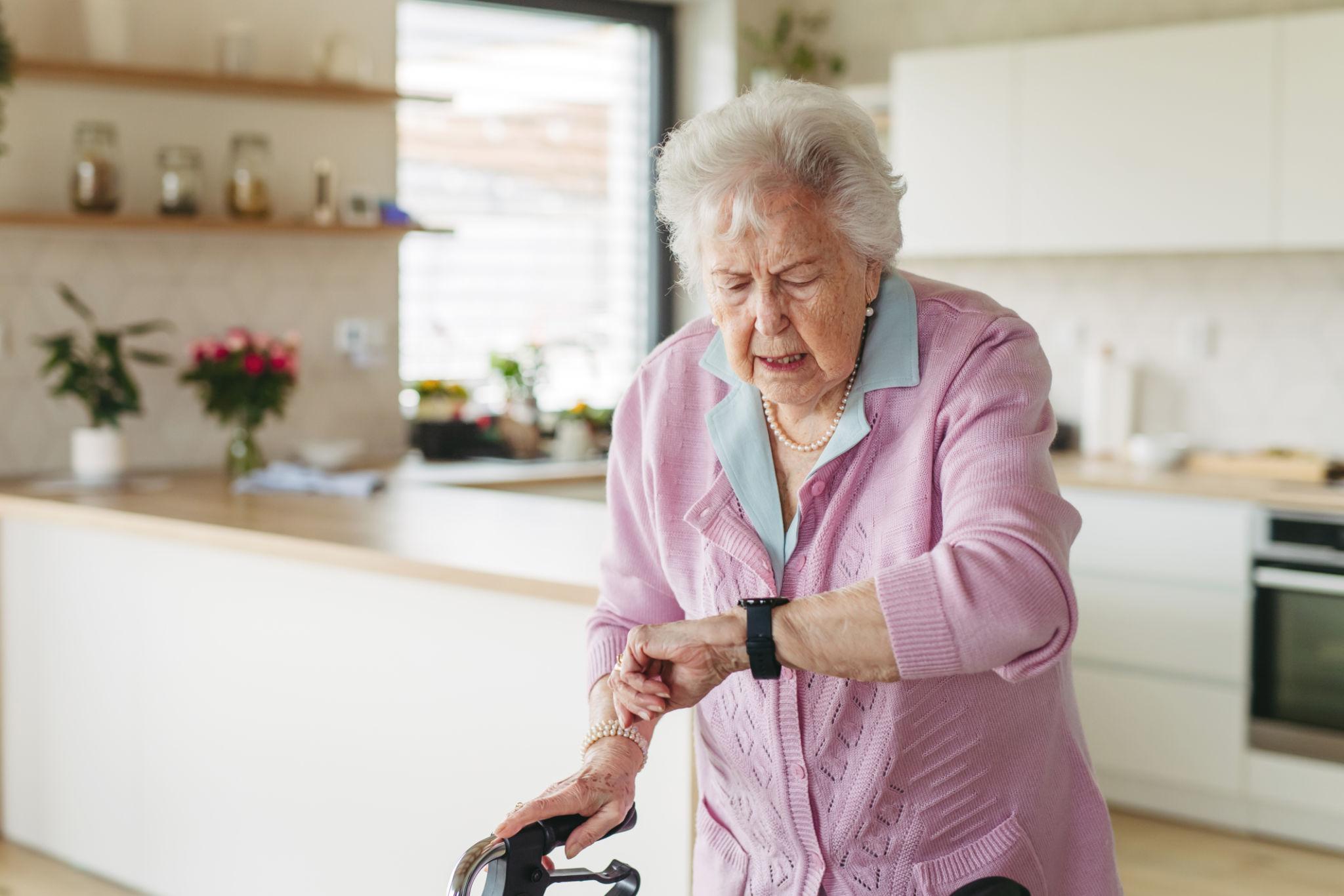
Buyer’s Guide: How to Choose the Right Medical Alert Watch
– Automatic Fall Detection
This should be your first priority.
The device should automatically recognize falls without requiring user input.
– GPS Tracking
Location tracking is critical if the wearer leaves home frequently.
GPS helps caregivers locate loved ones quickly.
– SOS Emergency Button
Manual emergency activation remains important.
No fall detection technology is perfect.
– Two-Way Calling
Being able to communicate instantly can help determine the severity of an emergency.
– Battery Life
Long battery life reduces the chance of the device being unavailable when needed.
– Ease of Use
Complex devices often end up unused.
The best device is the one your loved one will actually wear every day.
Why Many Families Prefer GPS Medical Alert Watches
Traditional emergency buttons were revolutionary twenty years ago.
Today’s families often want more.
A GPS-enabled medical alert watch provides:
- Mobility
- Location tracking
- Health monitoring
- Communication
- Emergency response
All from a single wearable device.
Instead of carrying multiple devices, seniors have one solution that fits naturally into daily life.
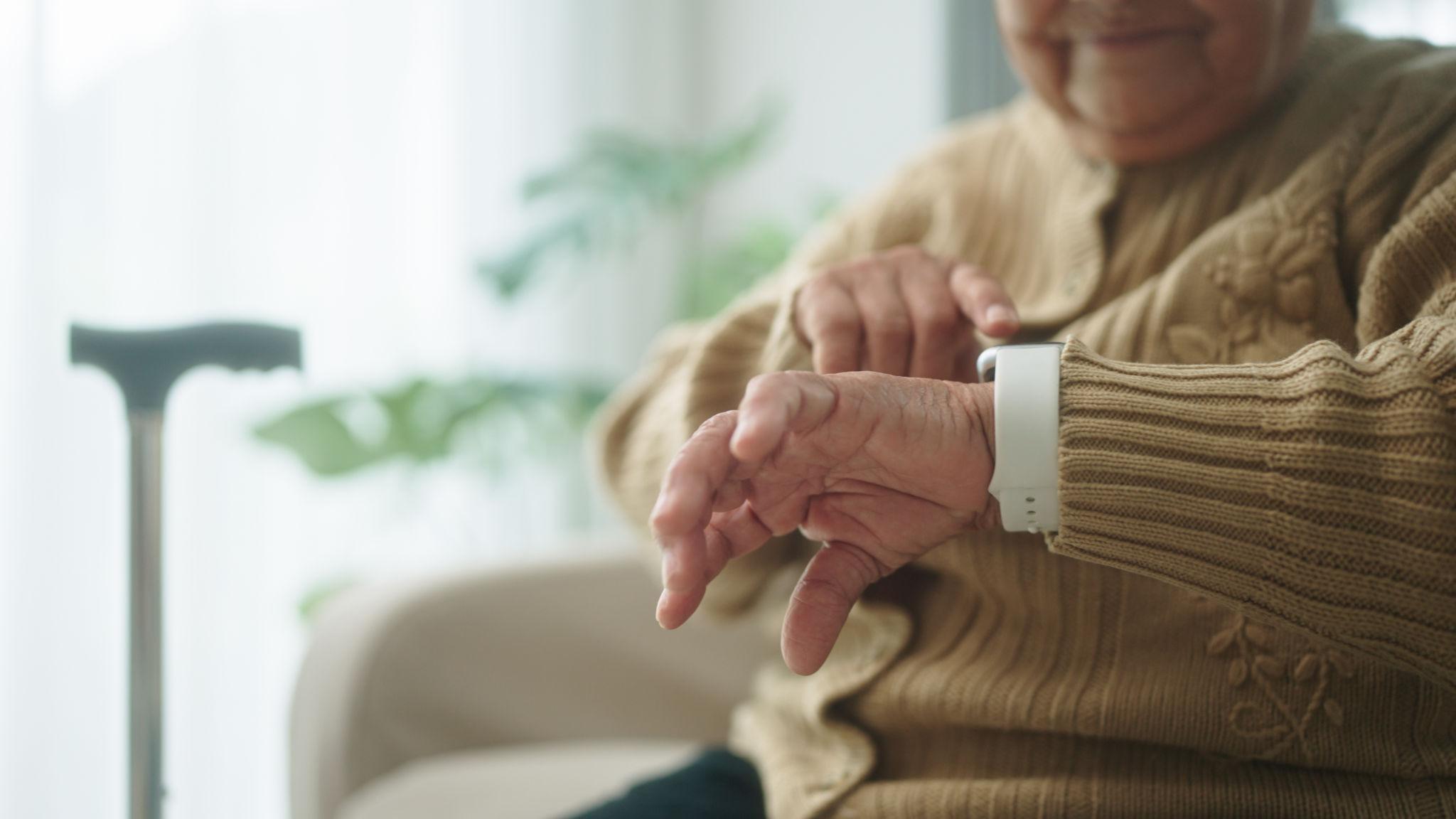
Featured Solution: MedAlert Medical Alert Watch
Among modern medical alert devices, MedAlert has become a popular option because it combines multiple safety features into a smartwatch format.
Key features include:
- Automatic fall detection
- GPS tracking
- Geofencing alerts
- SOS emergency calling
- Two-way communication
- Heart-rate monitoring
- Medication reminders
Unlike many older medical alert systems, it is designed to support independent living while maintaining family visibility when emergencies occur.
👉 Check current pricing and features: https://medalert.io
How MedAlert Compares to Traditional Systems
Traditional systems focus primarily on emergency buttons.
Modern GPS medical alert watches add:
- Mobility
- Location awareness
- Real-time tracking
- Health monitoring
- Smart notifications
For active seniors who still leave the house regularly, these additional features can provide meaningful advantages.
Real-World Situations Where a Medical Alert Watch Helps
– Walking the Dog
A fall while outdoors can leave a senior stranded without assistance.
GPS location helps caregivers respond quickly.
– Shopping Alone
Large stores can be difficult to navigate after a medical incident.
Emergency communication becomes valuable.
– Gardening
Many falls occur around the home rather than during extreme activities.
– Traveling
GPS-enabled devices continue offering protection away from home.
Common Buying Mistakes
– Choosing Based Only on Price
The cheapest option is rarely the best value.
Reliability matters more.
– Ignoring Battery Life
A device with poor battery performance may not be available when needed.
– Buying a Device Nobody Wants to Wear
Comfort and appearance matter.
– Assuming Fall Detection Is Perfect
No current technology detects every fall.
Manual SOS capability remains important.
Frequently Asked Questions (FAQ)
– Do fall detection watches really work?
Yes, but no system is 100% accurate. Most modern devices can detect many falls, but users should still manually activate SOS when possible.
– Is a smartwatch better than a medical pendant?
For active seniors, a smartwatch often offers better usability, GPS tracking, and communication features.
– Can family members track location?
Many GPS-enabled devices allow approved caregivers to view location information.
– Are medical alert watches difficult to use?
Most are designed specifically for seniors and use simple interfaces.
– Can these devices be used outside the home?
Yes. GPS-enabled models are intended to work both indoors and outdoors.
– What is the best device for seniors living alone?
The best choice depends on mobility, health conditions, budget, and comfort level. Devices that combine fall detection, GPS tracking, SOS calling, and long battery life typically provide the most comprehensive protection.
Final Verdict
Independence and safety do not have to be opposites.
The right fall detection device can allow seniors to maintain their lifestyle while giving families greater peace of mind.
For many households, a GPS-enabled medical alert watch offers the best balance between protection, mobility, and convenience.
If you’re currently evaluating options, take a closer look at MedAlert’s latest medical alert watches and compare their features against your family’s needs.
👉 Learn more here: https://medalert.io
A small investment today could make a significant difference during an emergency tomorrow.