Have you ever climbed into bed only to wake up a few hours later feeling overheated, sweaty, and uncomfortable?
You’re not alone.
Millions of people struggle with overheating during sleep. Some experience occasional night sweats during summer, while others naturally sleep hot throughout the year. Hormonal changes, warm climates, poor bedroom ventilation, synthetic bedding, and even stress can all contribute to sleeping too warm.
Many people immediately think about buying a new mattress or turning the air conditioner down. While those solutions may help, one of the biggest factors affecting your sleep temperature is something much simpler—your bedding.
The sheets, duvet cover, pillowcases, and blankets surrounding your body every night determine how effectively heat escapes while you sleep. Choosing breathable natural fabrics instead of heat-trapping synthetic materials can dramatically improve your sleep quality.
In this comprehensive guide, we’ll explain:
- Why people sleep hot
- Which bedding materials actually stay cool
- What features matter most when shopping
- The best bedding choices for hot sleepers
- How to create a cooler sleeping environment
By the end, you’ll know exactly how to choose bedding that keeps you comfortable throughout the night.

Why Do Some People Sleep Hot?
Sleeping hot isn’t always caused by warm weather.
Your body naturally lowers its core temperature before bedtime as part of your circadian rhythm. If heat cannot escape efficiently, your body struggles to stay in its ideal sleeping temperature range.
Common causes include:
1. Synthetic Bedding
Many inexpensive sheets are made from polyester or microfiber.
Although these materials are durable and affordable, they tend to trap body heat and moisture, making sleepers feel warmer as the night progresses.
Instead of allowing air to circulate, synthetic fibers often create a warmer sleeping environment.
2. Poor Moisture Management
Even if you don’t notice it, your body releases moisture throughout the night.
When bedding cannot absorb and release that moisture efficiently, humidity builds around your skin, making you feel sticky and uncomfortable.
3. Thick Comforters
Heavy comforters may provide warmth during winter but often become overwhelming in spring and summer.
Many people continue using the same bedding all year, which contributes significantly to overheating.
4. Hormonal Changes
Hormonal fluctuations during pregnancy, menopause, or certain medical conditions frequently cause night sweats.
Although bedding cannot solve the underlying cause, breathable fabrics can greatly improve comfort.
5. Warm Bedroom Environment
A bedroom that’s too warm naturally makes sleeping more difficult.
Experts generally recommend keeping bedrooms between 60–67°F (15–19°C) for optimal sleep, combined with breathable bedding.

Why Your Bedding Matters More Than You Think
Many people invest thousands of dollars in a mattress but overlook their sheets.
In reality, your sheets are the material in direct contact with your skin for 7–9 hours every night.
Good bedding should help your body:
- Release excess heat
- Regulate body temperature
- Wick away moisture
- Stay dry
- Feel soft against sensitive skin
When bedding accomplishes these goals, you spend less time tossing and turning and more time in deep, restorative sleep.
What Is the Best Fabric for Hot Sleepers?
There isn’t a single perfect fabric for everyone, but some materials consistently outperform others.
Let’s compare the most common options.
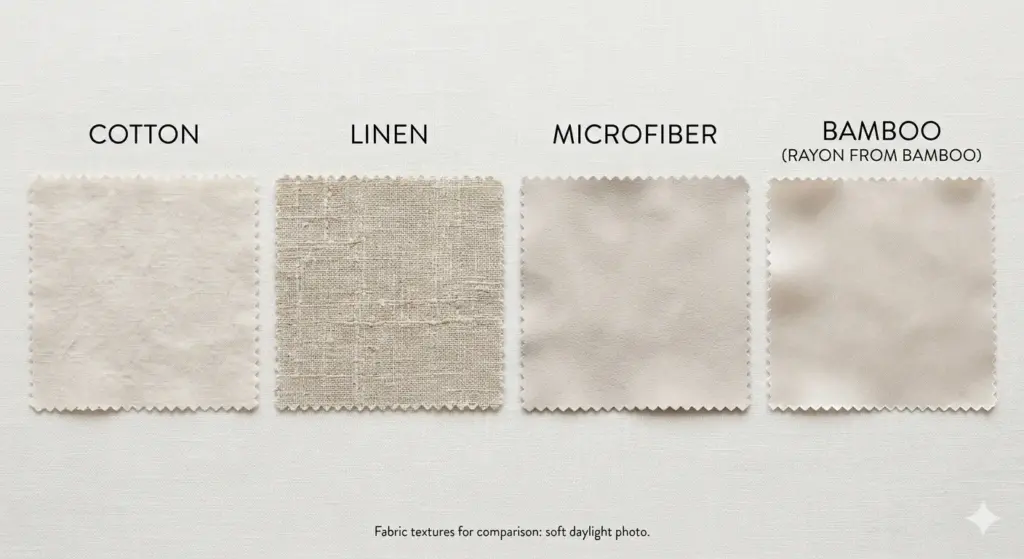
– Linen
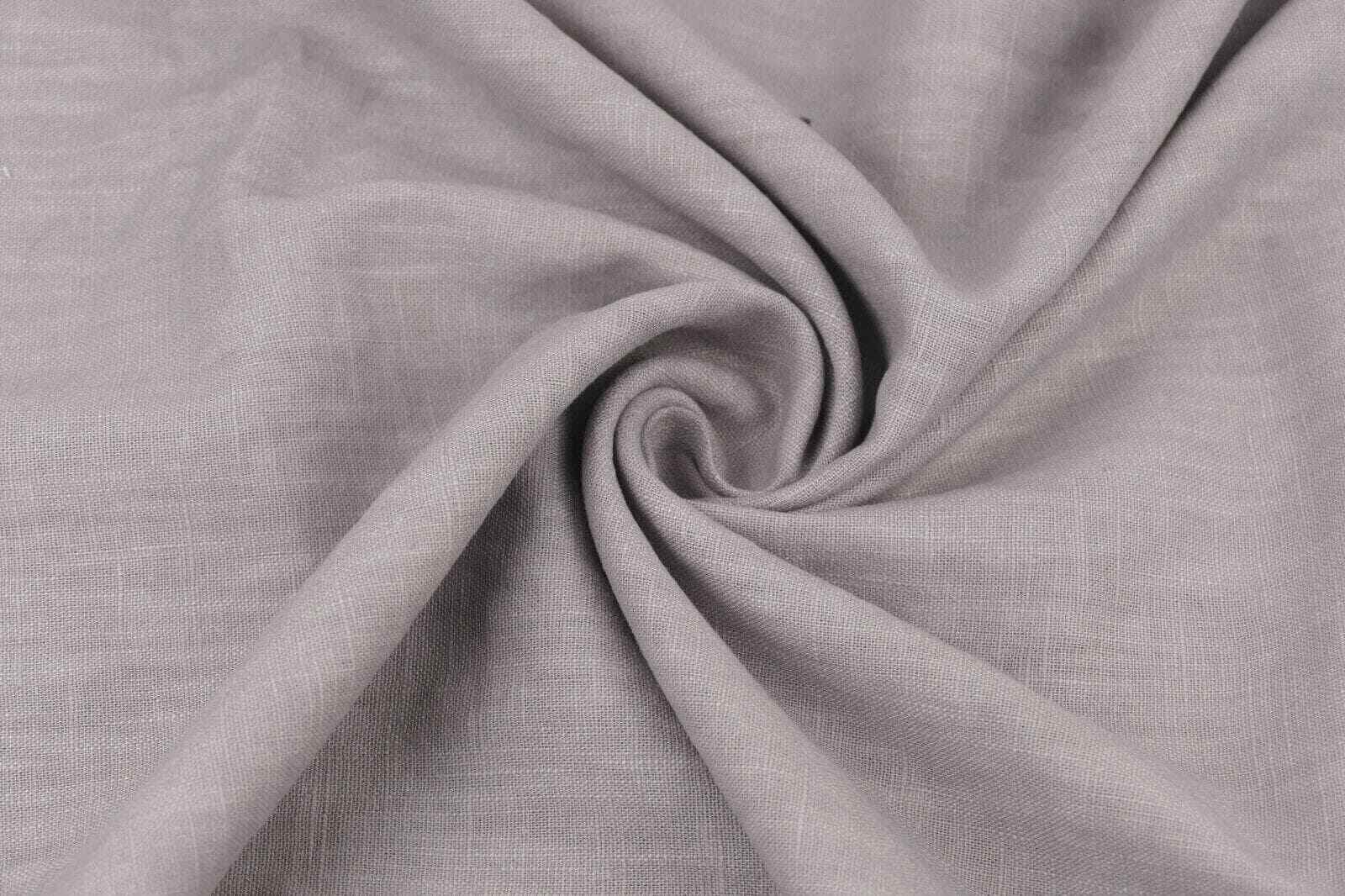
Linen has become one of the most recommended fabrics for people who naturally sleep hot.
Made from flax fibers, linen is known for its:
- exceptional breathability
- moisture-wicking ability
- lightweight texture
- temperature regulation
- long lifespan
Unlike synthetic materials, linen allows air to circulate naturally between the fibers.
Instead of trapping heat, it helps excess warmth escape.
Another major advantage is that linen becomes softer with every wash while maintaining its durability.
Many luxury hotels and premium bedding brands choose European flax linen because it remains comfortable across different seasons.
– Cotton
Cotton remains a popular bedding choice.
High-quality cotton can feel soft and breathable, especially percale weaves.
However, cotton often absorbs moisture rather than releasing it quickly.
For people with heavy night sweats, linen usually dries faster.
– Bamboo
Bamboo-derived fabrics feel silky and cool initially.
Many sleepers enjoy the softness.
However, the manufacturing process varies significantly between brands, and durability can differ.
– Microfiber
Microfiber is affordable but usually ranks lower for breathability.
It tends to trap heat, making it less suitable for hot sleepers.
– Silk
Silk feels luxurious and naturally regulates temperature.
However, it requires delicate care and often comes with a premium price tag.
For everyday use, many shoppers prefer linen because it balances comfort, durability, and ease of maintenance.
Features to Look for When Buying Bedding for Hot Sleepers
Shopping for cooling bedding isn’t only about choosing the right fabric.
Here are several features worth considering.
– Breathability
Air circulation should always be your top priority.
Look for fabrics that allow airflow rather than trapping warm air around your body.
– Moisture Wicking
If you experience night sweats, choose bedding that quickly absorbs and releases moisture.
Natural linen excels in this area.
– Lightweight Construction
Heavy bedding often increases heat retention.
Choose lighter sheets and duvet covers during warmer months.
– Durability
Premium bedding should last for years.
Natural flax linen is well known for becoming softer while remaining incredibly durable.
– Easy Care
Machine-washable bedding encourages regular cleaning, helping maintain freshness and hygiene.
One Excellent Choice: European Flax Linen Bedding
Among the many bedding options available today, European flax linen has earned an excellent reputation for hot sleepers.
One brand worth considering is Triton Linen, which specializes in thoughtfully designed linen bedding made from high-quality flax fibers.
Rather than relying on synthetic cooling treatments, their bedding focuses on the natural performance of linen itself.
Some standout options include:
- Linen Sheet Sets
- Linen Duvet Covers
- Linen Pillowcases
- Linen Bedding Bundles
These products are designed with breathable natural fibers that help promote airflow and create a more comfortable sleeping environment throughout the year.
If you’re comparing several linen brands and would like to explore Triton Linen’s current collections, colors, and available sizes, you can browse them here:
👉 Explore Triton Linen Collection:
Rather than being the only option on the market, Triton Linen represents one of the stronger choices for shoppers looking for premium natural linen bedding with a minimalist aesthetic and a focus on everyday comfort.
Buyer’s Guide: How to Choose the Best Bedding for Hot Sleepers
Choosing cooling bedding isn’t just about selecting the most expensive sheets. The right combination of fabric, weave, weight, and construction can make a noticeable difference in your sleep quality.
Here’s what to consider before making a purchase.
1. Choose Natural Fibers First
If staying cool is your priority, natural fibers should be at the top of your list.
Natural materials generally allow better airflow than synthetic alternatives and help regulate body temperature throughout the night.
Some of the best choices include:
- European flax linen
- Cotton percale
- High-quality bamboo-derived fabrics
- Silk (for luxury users)
Among these, linen stands out because it combines excellent breathability with durability and moisture management.
2. Look for Moisture-Wicking Performance
Many people confuse “cooling” with “cold.”
Good cooling bedding doesn’t actively lower your body temperature—it simply helps your body regulate heat more efficiently.
When you sweat, moisture should move away from your skin and evaporate quickly.
This prevents that damp, sticky feeling that often causes restless sleep.
Natural linen is particularly effective because its fibers can absorb moisture while still allowing air to circulate.
3. Don’t Ignore the Weave
The weave of your bedding affects airflow just as much as the fabric itself.
Generally:
- Percale cotton offers a crisp, cool feel.
- Linen has a naturally airy weave that improves over time.
- Sateen feels smoother but tends to retain more warmth.
If you sleep hot year-round, breathable weaves are usually the better choice.
4. Consider Fabric Weight
Lightweight bedding is usually preferable for hot sleepers.
Very heavy fabrics may feel cozy during winter but often trap unnecessary heat during warmer months.
Many premium linen brands offer medium-weight linen that provides year-round comfort without feeling overly heavy.
5. Prioritize Quality Over Thread Count
Many shoppers still believe that higher thread count automatically means better sheets.
This isn’t always true.
For linen bedding, thread count isn’t the primary indicator of quality.
Instead, pay attention to:
- Fiber quality
- Flax origin
- Fabric finish
- Stitching quality
- Durability
- Brand reputation
Premium European flax linen often outperforms high-thread-count cotton in terms of breathability and longevity.
Common Mistakes Hot Sleepers Make
Even after buying new bedding, some people continue waking up overheated.
Often, the problem isn’t the sheets themselves—it’s the overall sleep setup.
Here are several common mistakes to avoid.
– Using Thick Comforters All Year
Winter comforters are designed to retain warmth.
Using one during summer can easily cancel out the benefits of breathable sheets.
Instead, switch to lightweight duvet inserts when temperatures rise.
– Mixing Breathable Sheets with Synthetic Blankets
Some people invest in premium linen sheets but continue using polyester blankets.
The result?
Heat becomes trapped beneath the blanket.
Your entire bedding system should work together.
– Sleeping on Old Pillows
Pillows also retain heat.
If your pillow no longer feels supportive or breathable, replacing it may significantly improve sleep comfort.
Natural pillowcases made from linen can also help improve airflow around your face.
– Overlooking Bedroom Ventilation
Cooling bedding performs best in a cool room.
Simple improvements include:
- Using ceiling fans
- Opening windows during cooler evenings
- Improving air circulation
- Maintaining a comfortable bedroom temperature
Best Bedding Combinations for Different Sleepers
Not everyone sleeps the same way.
Here are several bedding combinations based on different needs.
– For People Who Sweat Every Night
Recommended combination:
- Linen fitted sheet
- Linen flat sheet
- Linen pillowcases
- Lightweight duvet insert
- Linen duvet cover
This setup maximizes airflow while helping moisture evaporate efficiently.
– For Couples
Many couples struggle because one partner sleeps hot while the other feels cold.
A practical solution is using breathable linen sheets with separate blankets, allowing each person to control their own level of warmth.
– For Summer
During warmer months, simplify your bedding.
A lightweight linen sheet and breathable duvet cover are often enough.
Linen naturally adapts to changing temperatures, making it ideal for seasonal use.
– For Year-Round Comfort
If you prefer one bedding setup throughout the year, premium flax linen is among the most versatile options available.
It provides warmth during cooler months while remaining breathable during summer.
Why Many People Choose Linen Bedding
Linen has been used for centuries, and there’s a reason it continues to be popular today.
Compared with many modern synthetic materials, linen offers several practical benefits.
– Excellent Airflow
The natural structure of flax fibers allows air to move freely through the fabric.
This helps prevent heat buildup during sleep.
– Superior Moisture Management
Linen absorbs moisture without feeling damp for long periods.
This creates a drier, more comfortable sleeping environment.
– Exceptional Durability
High-quality linen often lasts for many years with proper care.
Unlike some fabrics that wear out quickly, linen typically becomes softer after repeated washing.
– Timeless Appearance
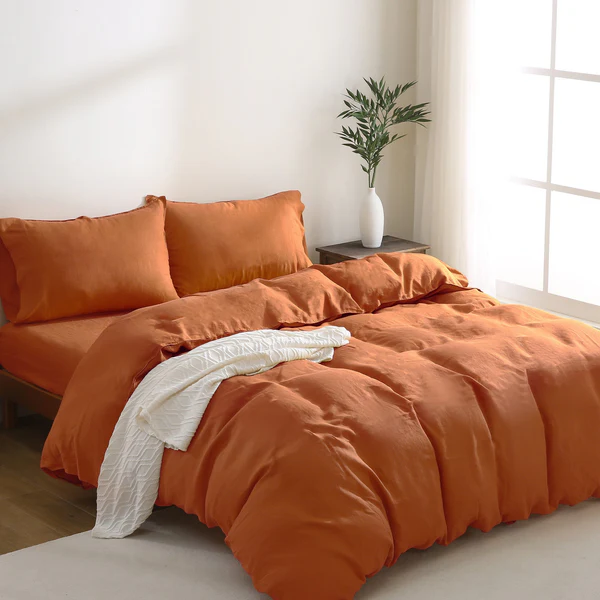
Beyond comfort, linen also adds an effortlessly relaxed, elegant look to any bedroom.
Its natural texture complements minimalist, Scandinavian, coastal, and modern interior styles.
A Premium Linen Option Worth Considering
If you’ve decided that linen bedding is the right choice, you’ll find a wide range of brands on the market.
One option that consistently stands out is Triton Linen, a brand dedicated to high-quality European flax linen products designed for everyday comfort.
Some of their most popular collections include:
- Linen Sheet Sets
- Linen Duvet Covers
- Linen Pillowcases
- Linen Bedding Bundles
- Linen Table Linen
- Linen Kitchen Towels
Their products focus on breathable natural fibers, timeless colors, and durable craftsmanship, making them suitable for people who want both comfort and long-lasting quality.
If you’d like to compare colors, available sizes, or current collections, you can browse them here:
👉 Discover Triton Linen’s Latest Linen Collection
Rather than replacing every bedding option on the market, Triton Linen is simply one of the stronger choices for shoppers specifically looking for premium natural linen bedding.
Simple Tips to Sleep Cooler Every Night
Even the best bedding works better when combined with healthy sleep habits.
Here are a few simple strategies that can help:
- Keep your bedroom between 60–67°F (15–19°C) whenever possible.
- Use breathable pajamas made from natural fibers.
- Avoid eating large meals immediately before bed.
- Stay hydrated throughout the day.
- Choose lightweight blankets during warmer seasons.
- Wash bedding regularly to maintain freshness and breathability.
- Replace worn-out pillows that trap heat.
- Improve airflow with fans or proper ventilation.
Small adjustments like these, combined with breathable bedding, can make a noticeable difference in overall sleep quality.
Frequently Asked Questions
1. Is linen really better than cotton for hot sleepers?
Both linen and cotton are excellent natural materials, but they perform differently.
Cotton is soft, familiar, and widely available. However, linen typically offers better airflow and dries more quickly after absorbing moisture. If you regularly wake up feeling hot or sweaty, linen is often the more comfortable choice because it helps heat and humidity escape more efficiently.
2. Do linen sheets feel rough?
This is one of the biggest misconceptions about linen.
Brand-new linen sheets usually have a slightly textured feel compared to cotton. However, high-quality European flax linen softens naturally with every wash without losing its strength. Many long-term users actually prefer this relaxed texture over the silky feel of cotton.
3. Are linen sheets worth the higher price?
Although linen bedding costs more upfront, many people consider it a worthwhile investment.
High-quality linen is extremely durable, often lasting much longer than lower-quality cotton or synthetic sheets. Since it becomes softer over time and can be used year-round, the long-term value is often better than repeatedly replacing inexpensive bedding.
4. Can linen bedding be used during winter?
Absolutely.
One of linen’s unique advantages is its natural ability to regulate temperature.
During warmer months, it allows excess body heat to escape. During cooler months, it helps retain just enough warmth to remain comfortable without feeling overly heavy.
5. How often should linen bedding be washed?
For most households, washing sheets every one to two weeks is recommended.
If you experience frequent night sweats or have allergies, washing them weekly helps maintain freshness and hygiene.
Always follow the manufacturer’s care instructions to maximize the lifespan of your bedding.
6. Does linen wrinkle easily?
Yes—but many people see this as part of its charm.
Unlike perfectly smooth synthetic fabrics, linen develops a relaxed, lived-in appearance that complements modern, Scandinavian, farmhouse, and minimalist bedroom styles.
If you prefer a crisp look, you can lightly iron linen while it’s still slightly damp.
7. Is linen suitable for sensitive skin?
Natural linen is generally considered a skin-friendly fabric because it’s breathable and free from the heat-trapping properties common in many synthetic materials.
Many people with sensitive skin appreciate its ability to stay cool and dry throughout the night.
8. What’s the difference between European flax linen and regular linen?
Not all linen is produced to the same standard.
European flax linen is often recognized for its high-quality fibers, careful production processes, and consistent craftsmanship. Bedding made from premium European flax tends to be softer, more durable, and longer-lasting than many lower-cost alternatives.
9. How long does linen bedding last?
With proper care, premium linen bedding can last for many years.
Unlike some fabrics that become thinner over time, quality linen maintains its strength while gradually becoming softer after repeated washing.
10. Should you buy a complete bedding set or individual pieces?
That depends on your needs.
If you’re furnishing a new bedroom or replacing everything at once, a complete bedding set offers convenience and a coordinated look.
If you only want to upgrade certain items, replacing your fitted sheet and pillowcases first can still make a noticeable difference in comfort.
Final Thoughts
Getting a better night’s sleep doesn’t always require an expensive mattress or complicated sleep gadgets.
In many cases, the biggest improvement comes from choosing bedding that works with your body instead of against it.
Breathable natural fabrics help regulate temperature, reduce moisture buildup, and create a more comfortable sleeping environment throughout the year.
Among the many options available today, linen continues to stand out because of its excellent airflow, moisture-wicking performance, durability, and timeless appearance.
While every sleeper has different preferences, investing in high-quality natural bedding is one of the simplest upgrades you can make for healthier, more comfortable sleep.
A Natural Linen Option to Explore
If you’re researching breathable bedding and comparing different linen brands, Triton Linen is certainly worth adding to your shortlist.
Their collection includes premium European flax linen products designed for everyday comfort, including:
- Linen Sheet Sets
- Linen Duvet Covers
- Linen Pillowcases
- Linen Bedding Bundles
- Linen Table Linen
- Kitchen Linen
- Linen Napkins
- Tea Towels
The focus on natural materials, minimalist design, and durable craftsmanship makes their products suitable for anyone looking to create a cooler, more comfortable bedroom.
You can explore their latest collections, available colors, sizes, and seasonal offers here:
👉 Explore Triton Linen
Whether you’re replacing your current bedding or simply exploring more breathable alternatives, comparing a few reputable linen brands is always a smart approach—and Triton Linen is one option that’s well worth considering.