
The experience is different for everyone. Some women move through perimenopause with relatively mild changes, while others experience symptoms that affect their work, relationships, exercise routines, and overall quality of life.
If you have been wondering how to manage menopause symptoms naturally, the good news is that there are several practical ways to support your wellbeing. Improving sleep habits, eating a balanced diet, staying physically active, managing stress, and understanding your nutritional needs can all contribute to a healthier daily routine.
However, natural approaches do not mean ignoring medical care. Evidence-based treatments, including menopausal hormone therapy (MHT), non-hormonal medicines, and psychological support, may be appropriate depending on your symptoms and medical history.
This guide explores practical strategies for managing common menopause challenges, including fatigue, sleep difficulties, mood swings, and stress. It also explains what to consider when choosing menopause supplements and introduces one comprehensive nutritional formula worth exploring.

Understanding Menopause and Why Symptoms Happen
Before exploring how to manage menopause symptoms naturally, it helps to understand what happens during this transition.
Menopause is generally identified after 12 consecutive months without a menstrual period, when there is no other medical explanation. The years leading up to menopause are called perimenopause, during which hormone levels fluctuate and menstrual cycles may become irregular.
Estrogen and progesterone play important roles in several body systems. Changes in these hormones can influence temperature regulation, sleep, mood, menstrual patterns, and other aspects of wellbeing.
Common symptoms include:
-
Hot flashes and night sweats.
-
Difficulty falling asleep or staying asleep.
-
Fatigue and reduced daytime energy.
-
Mood swings, irritability, and anxiety.
-
Difficulty concentrating or brain fog.
-
Changes in body composition.
-
Joint discomfort and muscle aches.
-
Vaginal dryness and changes in sexual comfort.
Not every woman experiences all these symptoms, and their intensity can change over time. The goal is not to eliminate every change but to find practical ways to maintain comfort, health, and quality of life.
1. How to Manage Menopause Symptoms Naturally Through Everyday Lifestyle Changes

One of the most useful starting points is building a consistent lifestyle routine. Although lifestyle changes cannot reverse hormonal changes, they can support general health and may help some women manage particular symptoms.
Focus on a balanced, nutrient-rich diet
During midlife, nutritional needs and eating habits may need to change. A balanced diet can help support bone health, muscle maintenance, cardiovascular health, and stable energy levels.
Consider including:
-
Protein: Eggs, fish, chicken, beans, lentils, tofu, and Greek yogurt help maintain muscle mass.
-
Calcium-rich foods: Dairy products, fortified plant-based milk, kale, and other calcium-containing foods support bone health.
-
Vitamin D sources: Oily fish, eggs, fortified foods, and appropriate supplementation when needed.
-
Fiber: Vegetables, fruits, legumes, oats, and whole grains support digestive health.
-
Healthy fats: Olive oil, nuts, seeds, avocado, and oily fish provide beneficial fats.
Try to build meals around whole foods rather than relying heavily on processed snacks, sugary drinks, or highly refined carbohydrates.
There is no single menopause diet that works for everyone. The most useful approach is one that is nutritionally balanced, realistic, and sustainable.
Stay physically active
Regular physical activity supports several aspects of health during menopause.
A balanced exercise routine could include:
-
Brisk walking or cycling for cardiovascular fitness.
-
Resistance training to maintain muscle strength.
-
Weight-bearing activities to support bone health.
-
Yoga or stretching to improve mobility.
-
Gentle movement throughout the day to reduce sedentary time.
You do not need an intensive workout program to get started. Even a 20–30-minute walk can be a practical first step.
Aim to build consistency gradually and adapt your exercise routine to your fitness level.
Maintain a healthy daily routine
Small habits can make a meaningful difference over time.
Try to:
-
Wake up at approximately the same time every day.
-
Eat regular, balanced meals.
-
Drink enough water throughout the day.
-
Spend time outdoors when possible.
-
Schedule regular movement breaks.
-
Create time for relaxation.
-
Avoid smoking and limit alcohol.
These habits provide a foundation for managing several menopause-related challenges at once.
2. How to Sleep Better During Menopause

Sleep difficulties are among the most frustrating experiences during perimenopause and menopause.
Some women struggle to fall asleep, while others wake up repeatedly during the night. Night sweats, hot flashes, anxiety, and changes in sleep patterns can all contribute to disrupted rest.
If you are searching for how to sleep better during menopause, start by identifying what is interrupting your sleep.
Keep your bedroom cool and comfortable
Night sweats can make it difficult to remain comfortable throughout the night.
Consider these practical adjustments:
-
Use breathable cotton or moisture-wicking bedding.
-
Wear lightweight sleepwear.
-
Keep the bedroom cool.
-
Use a fan if necessary.
-
Keep a glass of water nearby.
-
Choose bedding that can be adjusted easily.
If hot flashes regularly wake you up, tracking when they occur may help you identify patterns and discuss appropriate treatments with a healthcare professional.
Establish a consistent bedtime routine
Your body benefits from predictable sleep and wake times.
Try creating a relaxing routine that begins approximately 30–60 minutes before bedtime.
For example:
-
Stop working and put away unnecessary devices.
-
Dim the lights.
-
Take a warm shower.
-
Read a book.
-
Practice slow breathing.
-
Avoid heavy meals close to bedtime.
Reducing screen exposure before bed may also help you establish a calmer environment.
Review caffeine and alcohol consumption
Caffeine can interfere with sleep, particularly when consumed later in the day.
Coffee, energy drinks, strong tea, and some soft drinks may affect how easily you fall asleep.
Alcohol may initially make you feel sleepy, but it can disrupt sleep quality later in the night.
Try reducing afternoon caffeine and observing whether limiting alcohol improves your sleep.
Consider menopause-specific sleep support
If sleep difficulties persist, cognitive behavioral therapy for insomnia (CBT-I) may be worth discussing with a healthcare professional.
Menopause-specific CBT can also help some women manage sleep problems associated with menopause symptoms.
Persistent insomnia should not automatically be attributed to menopause. Conditions such as sleep apnea, restless legs syndrome, anxiety, and thyroid disorders can also affect sleep.
3. Why Am I Always Tired During Menopause?

Feeling exhausted even after a full night’s sleep can be frustrating.
If you frequently ask yourself, why am I always tired during menopause, it is worth understanding that fatigue can have several possible causes.
Hormonal fluctuations may contribute to sleep disturbances, changes in mood, and other symptoms that make everyday activities more demanding.
However, menopause is not the only possible explanation for persistent tiredness.
Common reasons for menopause-related fatigue
1. Interrupted sleep
Night sweats and hot flashes may cause repeated awakenings. Even if you spend enough hours in bed, disrupted sleep can leave you feeling unrefreshed.
2. Emotional stress
Managing physical changes, work responsibilities, and family commitments can increase mental strain.
3. Changes in physical activity
Some women become less active when they experience fatigue or joint discomfort. Reduced movement can contribute to lower fitness and energy over time.
4. Nutritional deficiencies
Low iron, vitamin B12 deficiency, and other nutritional problems may contribute to fatigue.
5. Other medical conditions
Thyroid disorders, anemia, sleep disorders, depression, and other health conditions can cause similar symptoms.
Practical ways to support your energy
Start by examining your daily routine.
-
Eat regular meals containing protein and fiber.
-
Avoid skipping meals if it leaves you feeling weak.
-
Stay hydrated.
-
Include moderate physical activity.
-
Prioritize consistent sleep.
-
Take short breaks during demanding activities.
-
Avoid depending on excessive caffeine to get through the day.
If tiredness is persistent, severe, or unexplained, arrange a medical assessment rather than assuming it is simply a menopause symptom.
A healthcare professional may recommend blood tests or other investigations depending on your symptoms.
4. How to Deal With Menopause Mood Swings

Mood changes can be difficult to understand, particularly when they seem to happen without an obvious reason.
You may feel perfectly fine one moment and unusually irritated, emotional, or anxious the next.
If you are wondering how to deal with menopause mood swings, remember that emotional wellbeing is influenced by several factors, including hormonal changes, sleep quality, physical health, and daily stress.
Recognize your emotional triggers
Start by paying attention to when mood changes happen.
You might notice that irritability becomes worse when:
-
You have slept poorly.
-
You are experiencing hot flashes.
-
You have skipped a meal.
-
Your workload is unusually high.
-
You consume too much caffeine.
-
You have little time for yourself.
Keeping a simple mood journal can help identify patterns.
Record your sleep, meals, stress levels, physical activity, and emotional changes for several weeks.
Make time for enjoyable activities
Your daily routine should include activities that help you relax and reconnect with yourself.
Examples include:
-
Walking outdoors.
-
Gardening.
-
Reading.
-
Listening to music.
-
Spending time with friends.
-
Practicing yoga.
-
Enjoying creative hobbies.
These activities may help reduce everyday stress and improve your overall sense of wellbeing.
Consider professional emotional support
Menopause-related mood changes deserve attention, especially when they affect relationships, work, or daily functioning.
Cognitive behavioral therapy (CBT) may help women develop practical ways to manage anxiety, low mood, and negative thought patterns.
If you experience persistent sadness, loss of interest, severe anxiety, or symptoms of depression, speak with a healthcare professional. These symptoms should not be dismissed as something you simply have to tolerate during menopause.
5. How to Improve Energy During Menopause

Improving energy during menopause is not necessarily about finding a quick solution. It is often about combining several sustainable habits that support your physical and mental wellbeing.
Here are some useful strategies.
Build a balanced breakfast
A breakfast containing protein, fiber, and healthy fats can help you feel satisfied and provide energy for your morning activities.
Examples include:
-
Greek yogurt with berries and nuts.
-
Eggs with wholegrain toast.
-
Oatmeal with chia seeds.
-
Tofu with vegetables.
-
A smoothie containing fruit and a protein source.
Choose foods that fit your preferences and nutritional needs.
Include strength training
Muscle mass naturally changes with age. Maintaining strength becomes increasingly important during midlife.
Resistance training can help support muscle function, mobility, and metabolic health.
Start with manageable exercises such as:
-
Bodyweight squats.
-
Wall push-ups.
-
Resistance band exercises.
-
Light dumbbell training.
-
Step-ups.
If you are new to exercise, consider working with a qualified fitness professional.
Avoid energy crashes
Pay attention to patterns in your energy levels.
If you frequently feel tired after large meals or long periods without eating, experiment with meal timing and balanced portions.
Also consider whether you are relying too heavily on caffeine or sugary snacks.
Address the underlying cause of fatigue
Lifestyle changes can help, but they are not a substitute for investigating persistent fatigue.
For example, if low iron or thyroid dysfunction is contributing to tiredness, simply taking a general wellness supplement may not address the problem.
Identifying the underlying cause is often the most effective starting point.
6. How to Manage Perimenopause Naturally

Perimenopause can begin several years before the final menstrual period.
During this time, hormone levels fluctuate, and menstrual cycles may become shorter, longer, lighter, or heavier.
Some women experience symptoms such as sleep disturbances, hot flashes, mood changes, and fatigue even while they are still having periods.
If you want to know how to manage perimenopause naturally, focus on building habits that support long-term health.
Track your menstrual cycle and symptoms
A symptom diary can help you understand changes over time.
Record:
-
Menstrual cycle dates.
-
Hot flashes and night sweats.
-
Sleep quality.
-
Mood changes.
-
Energy levels.
-
Headaches.
-
Exercise and food patterns.
This information can also be useful when discussing symptoms with a healthcare professional.
Support bone and muscle health
Estrogen plays an important role in bone health.
As hormone levels change, maintaining adequate calcium and vitamin D intake, engaging in weight-bearing activity, and incorporating resistance training become increasingly important.
Good food choices include:
-
Milk and yogurt.
-
Fortified plant-based beverages.
-
Leafy green vegetables.
-
Sardines with bones.
-
Calcium-set tofu.
-
Eggs and oily fish as sources of vitamin D.
Supplementation may be appropriate when dietary intake is insufficient or a deficiency is identified.
Pay attention to vaginal and urinary health
Perimenopause may also bring vaginal dryness, discomfort during sex, and urinary symptoms.
These concerns are common and treatable.
Vaginal moisturizers and lubricants may help with dryness, while vaginal estrogen may be an appropriate medical treatment for some women.
Do not feel that these symptoms are something you must simply accept.
Make healthcare part of your routine
Natural lifestyle approaches can complement medical care.
If symptoms are affecting your quality of life, discuss available options with a healthcare professional. These may include hormone therapy, non-hormonal medication, CBT, or other treatments depending on your circumstances.
7. Best Supplements for Menopause Fatigue: What Should You Look For?

Nutrition becomes an important consideration during midlife, especially when energy levels, sleep, and general wellbeing are changing.
This is why many women search for the best supplements for menopause fatigue.
However, supplements are not interchangeable, and there is no single formula that has been proven to resolve all menopause symptoms.
The best choice depends on your nutritional intake, medical history, medications, and specific needs.
Important nutrients and ingredients to understand
| Ingredient | Why people consider it | Important consideration |
|---|---|---|
| Vitamin B12 | Supports normal energy metabolism and nervous system function | Supplementation is most useful when intake or levels are inadequate |
| Vitamin D | Supports bone health and normal muscle function | Avoid excessive doses |
| Magnesium | Supports normal muscle and nervous system function | High supplemental doses may cause digestive side effects |
| Iron | Needed for normal oxygen transport | Do not supplement without considering iron status |
| Vitamin B6 | Contributes to normal energy metabolism and nervous system function | Excessive long-term intake can cause nerve problems |
| Ashwagandha | Studied for stress-related outcomes | Evidence for menopause symptoms is limited; interactions and safety matter |
| Saffron | Studied in some mood-related research | Evidence does not establish it as a menopause treatment |
| L-Theanine | Studied for relaxation and attention | Evidence for menopause-specific benefits remains limited |
Should you choose individual nutrients or an all-in-one formula?
There are two common approaches.
Option 1: Individual supplements
This approach allows you to target a specific nutritional need.
For example, someone with a confirmed vitamin D deficiency may benefit from an appropriate vitamin D supplement.
Advantages:
-
Easier to target a specific deficiency.
-
More control over individual doses.
-
Potentially simpler to monitor.
Disadvantages:
-
You may need several different products.
-
It can become difficult to manage multiple ingredients.
-
Combining supplements may lead to excessive intake.
Option 2: Comprehensive menopause supplements
Some products combine vitamins, minerals, and botanical ingredients into one daily formula.
Advantages:
-
Convenient daily routine.
-
Multiple ingredients in one product.
-
May suit people who prefer a consolidated supplement.
Disadvantages:
-
Individual ingredient doses may not meet everyone’s needs.
-
Some ingredients may be unnecessary for certain people.
-
Multiple ingredients can increase the possibility of interactions.
-
A comprehensive formula is not automatically more effective than a targeted supplement.
The most important thing is to understand the ingredients, doses, safety information, and whether the product is appropriate for your personal circumstances.
An all-in-one option worth exploring: Nu Mind Wellness

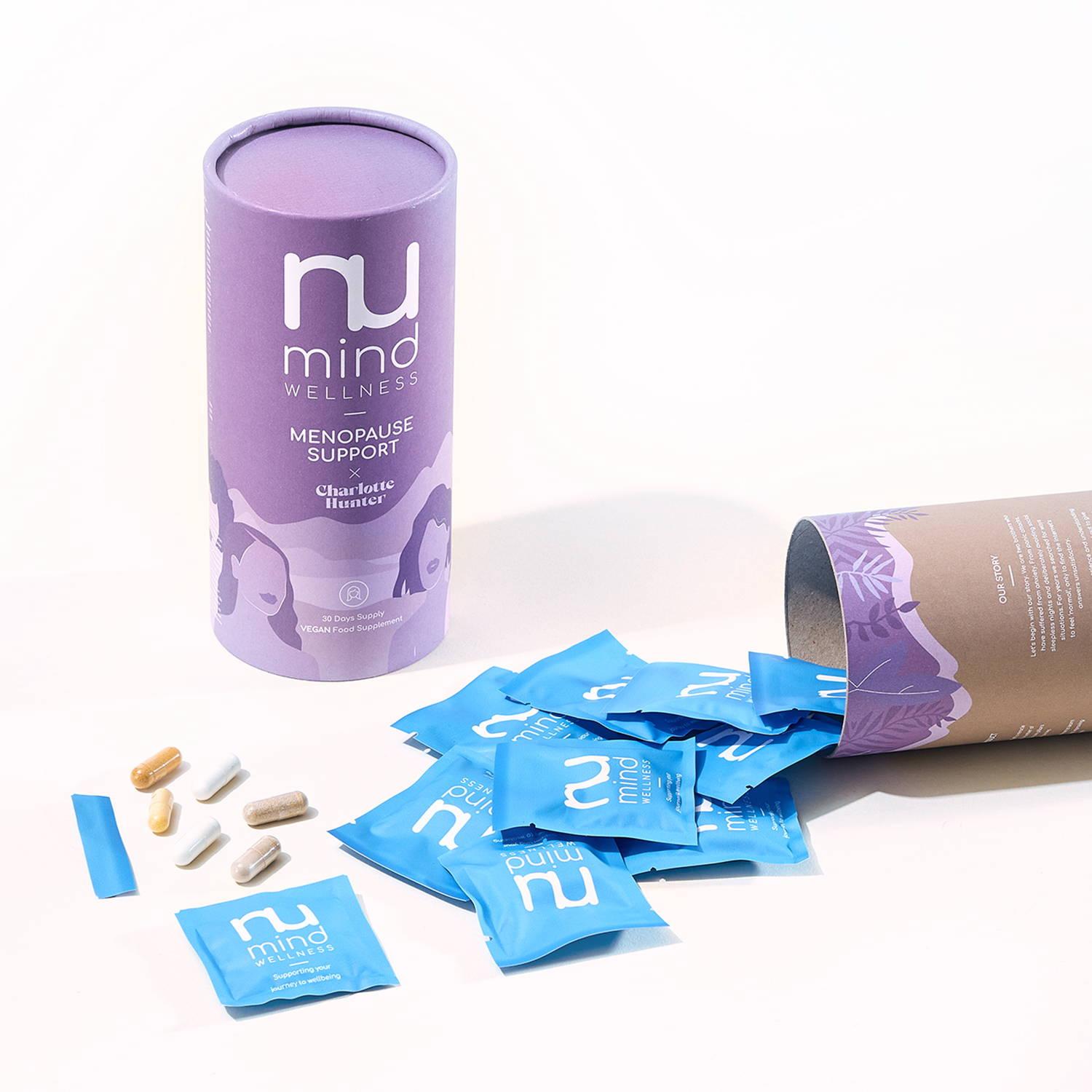
When comparing comprehensive menopause supplements, one product you may come across is Menopause x Charlotte Hunter by Nu Mind Wellness.
Rather than focusing on a single nutrient, this formula is designed as a daily nutritional support option combining vitamins, minerals, and botanical ingredients.
According to the manufacturer’s product information, the formula contains 40 ingredients, including:
-
Magnesium glycinate.
-
Vitamin B complex.
-
Vitamin C and vitamin D3.
-
Zinc.
-
Ashwagandha KSM-66.
-
Saffron extract.
-
Lavender extract.
-
Rhodiola.
-
L-Theanine.
-
Passionflower and chamomile extracts.
The brand describes the formula as a menopause-focused blend intended to complement a balanced lifestyle.
It is presented in daily sachets containing six capsules, with a routine designed for convenient everyday use. The brand also describes the formula as hormone-free, vegan, and gluten-free.
Nu Mind Wellness
What makes it worth comparing?
There are several practical points to consider:
-
Broad ingredient selection: It combines vitamins, minerals, and botanical ingredients rather than focusing on only one nutrient.
-
Daily convenience: The sachet format provides a structured routine.
-
Menopause-focused formulation: It is specifically marketed toward women navigating perimenopause, menopause, and post-menopause.
-
Ingredient transparency: The manufacturer publishes a detailed ingredient list that shoppers can review.
However, having 40 ingredients does not automatically mean that a supplement is more effective than a simpler product.
Research on individual ingredients cannot be used to assume that the complete Nu Mind formula has been clinically proven to improve sleep, eliminate fatigue, or regulate hormones.
Women taking medication, managing thyroid conditions, or with other medical concerns should review the full ingredient list with a healthcare professional before using it. Ashwagandha and other botanical ingredients may not be suitable for everyone.
Explore the product and check the current offers here:
Discover Nu Mind Wellness – Menopause x Charlotte Hunter
If you prefer a comprehensive supplement rather than purchasing several separate products, it may be one option to compare alongside other menopause-focused formulas.
8. How to Reduce Stress During Menopause

Stress can become more difficult to manage during perimenopause and menopause.
Hormonal fluctuations, poor sleep, work responsibilities, family commitments, and physical discomfort may combine to create a feeling of being overwhelmed.
If you are looking for how to reduce stress during menopause, consider building a routine that supports both physical relaxation and emotional wellbeing.
Practice mindfulness and breathing exercises
Mindfulness encourages you to focus on the present moment rather than becoming overwhelmed by worries about the past or future.
Try this simple breathing exercise:
-
Sit comfortably with your shoulders relaxed.
-
Breathe in slowly through your nose.
-
Exhale gently without forcing your breath.
-
Continue for three to five minutes.
-
Return your attention to your breathing whenever your mind wanders.
You can practice this in the morning, during a work break, or before bedtime.
Try yoga or gentle movement
Yoga combines movement, breathing, and relaxation.
It may help some women improve their sense of wellbeing and manage stress.
You do not need to attend an advanced class. Begin with gentle stretching or beginner-friendly yoga sessions.
Other activities worth considering include:
-
Walking in nature.
-
Tai chi.
-
Swimming.
-
Gardening.
-
Light cycling.
-
Relaxation exercises.
Choose something enjoyable enough to maintain consistently.
Set realistic boundaries
Stress is not always caused by physical changes. Everyday responsibilities can also contribute.
Consider whether you are taking on too much work, neglecting personal time, or struggling to ask for support.
Some useful adjustments include:
-
Scheduling regular breaks.
-
Delegating household responsibilities.
-
Protecting time for exercise and rest.
-
Talking openly with family members.
-
Reducing unnecessary commitments.
Seek support when stress becomes overwhelming
If anxiety, low mood, or stress begins affecting your relationships or daily activities, professional support can be valuable.
CBT and other psychological approaches may help you develop healthier coping strategies.
Remember that persistent anxiety or depression deserves proper assessment rather than being dismissed as a normal part of getting older.
9. Building a Practical Daily Menopause Wellness Routine
Knowing what to do is one thing. Turning those ideas into everyday habits is another.
Instead of attempting to change everything at once, start with a simple routine that you can realistically maintain.

Here is an example of a balanced daily routine.
| Time | Suggested activity | Purpose |
|---|---|---|
| Morning | Wake up at a consistent time and drink water | Establish a regular routine |
| Breakfast | Eat a balanced meal with protein and fiber | Support nutritional needs |
| Morning | Walk or exercise for 20–30 minutes | Support cardiovascular and physical health |
| Lunch | Eat vegetables, protein, and whole grains | Maintain balanced nutrition |
| Afternoon | Take short breaks and limit excessive caffeine | Support energy and relaxation |
| Evening | Enjoy a light activity or gentle stretching | Wind down after the day |
| Before bed | Reduce screen exposure and relax | Prepare for sleep |
You can adjust this schedule according to your work, family responsibilities, health, and preferences.
The key is consistency rather than perfection.
A simple weekly wellness checklist
10. When Natural Approaches Are Not Enough
Natural lifestyle changes are useful foundations, but they are not appropriate replacements for every medical treatment.
Some women experience symptoms severe enough to require additional support.
For example, menopausal hormone therapy (MHT), also known as hormone replacement therapy (HRT), is an established treatment for many menopause-related symptoms.
Depending on your circumstances, other options may include:
-
Non-hormonal prescription treatments for hot flashes.
-
Menopause-specific cognitive behavioral therapy.
-
CBT for insomnia.
-
Vaginal estrogen for genitourinary symptoms.
-
Psychological treatment for anxiety or depression.
The right treatment depends on your symptoms, medical history, age, preferences, and individual risk factors.
When should you seek medical advice?
Consider arranging an appointment if:
-
Fatigue persists despite adequate rest.
-
Sleep problems regularly affect daily functioning.
-
Mood changes become severe or persistent.
-
You experience unusually heavy or prolonged menstrual bleeding.
-
You experience bleeding after menopause.
-
You develop unexplained weight changes or other new symptoms.
-
You suspect anemia, thyroid problems, or another underlying condition.
Any bleeding after menopause should be medically assessed.
Menopause is a natural transition, but new or concerning symptoms should never automatically be attributed to hormonal changes.
11. Buyer Guide: How to Choose the Right Menopause Supplement

If you decide to explore nutritional supplements, choosing the right product requires more than looking at attractive packaging or a long list of ingredients.
Here are seven things worth checking before purchasing.
1. Identify your primary concern
Start by identifying what you actually want nutritional support for.
For example:
| Your concern | What to investigate |
|---|---|
| Persistent tiredness | Iron status, B12, vitamin D, sleep quality and other medical causes |
| General nutritional support | A balanced diet and potential nutrient gaps |
| Bone health | Calcium, vitamin D, exercise and individual risk factors |
| Stress and relaxation | Lifestyle approaches and carefully evaluated ingredients |
| Poor sleep | Sleep habits, possible sleep disorders and appropriate treatment |
| Muscle function | Magnesium intake, vitamin D and physical activity |
A supplement should address a genuine nutritional need rather than simply promise to improve everything.
2. Read the complete ingredient list
Do not rely solely on the front of the package.
Look for:
-
Exact ingredient names.
-
Amounts per serving.
-
Daily recommended intake.
-
Botanical extract specifications.
-
Allergens.
-
Potential interactions.
-
Warnings and contraindications.
If a brand highlights 30 or 40 ingredients, check how much of each ingredient is actually included.
3. Check ingredient doses
A product may contain several beneficial nutrients, but their quantities matter.
Compare the amount per serving with established nutritional requirements and upper intake limits where applicable.
Be particularly careful with iron, vitamin D, vitamin B6, iodine, and other nutrients that can cause problems when consumed in excessive amounts.
4. Consider your existing supplements
If you already take a multivitamin, magnesium, vitamin D, or another supplement, adding a comprehensive menopause formula may duplicate ingredients.
Review the combined daily intake before purchasing.
A healthcare professional or pharmacist can help you identify potentially excessive doses.
5. Look for transparent manufacturing information
A trustworthy supplement brand should provide clear information about:
-
Ingredient sourcing.
-
Manufacturing standards.
-
Quality control.
-
Allergen information.
-
Batch testing, where available.
-
Contact details.
-
Returns and refund policies.
Do not assume that a product is effective simply because it is described as natural, premium, or science-backed.
6. Compare convenience and total cost
Some products require several capsules per day, while others use powders or sachets.
Think about which format fits your routine.
Also compare:
-
Price per serving.
-
Number of servings.
-
Subscription conditions.
-
Delivery costs.
-
Cancellation policies.
-
Return guarantees.
A lower advertised price does not always mean a better long-term value.
7. Discuss suitability with a healthcare professional
This is particularly important if you:
-
Take prescription medication.
-
Have thyroid or liver conditions.
-
Have a history of hormone-sensitive conditions.
-
Are pregnant or breastfeeding.
-
Have an existing nutrient deficiency.
-
Are considering combining several herbal supplements.
Some botanical ingredients can interact with medication or may be unsuitable for particular health conditions.
12. Comparing Different Menopause Support Options
Before making a purchasing decision, it is helpful to understand how different approaches compare.
| Option | Main purpose | Best suited for |
|---|---|---|
| Balanced diet | General nutritional support | Everyday health |
| Individual vitamins | Addressing specific nutritional gaps | Women with identified needs |
| Magnesium supplement | Increasing magnesium intake | Those with inadequate intake |
| Menopause multivitamin | Convenient combination of nutrients | Women seeking broader nutritional coverage |
| Botanical supplements | Exploring specific plant ingredients | Those who have reviewed safety and evidence |
| Comprehensive menopause formula | Combining several nutrient categories | Those preferring an all-in-one format |
| Medical menopause treatment | Managing clinically significant symptoms | Women who need evidence-based medical intervention |
There is no universally best option.
For some women, improving diet and sleep habits may be sufficient. Others may benefit from targeted supplementation or medical treatment.
A product with more ingredients is not necessarily better than a simple supplement chosen to address a confirmed deficiency.
Is Nu Mind Wellness worth considering?
If you prefer a single menopause-focused formula, Nu Mind Wellness is one brand worth comparing.
Its Menopause x Charlotte Hunter formula combines vitamins, minerals, and botanical ingredients in a daily sachet format.
It may appeal to women who prefer a consolidated product rather than managing multiple individual supplement bottles.
However, your decision should depend on:
-
Whether the ingredients match your nutritional needs.
-
Whether the doses are appropriate.
-
Whether the formula is compatible with your medications.
-
Whether the price fits your budget.
-
Whether the format is convenient for everyday use.
You can review the ingredients, serving information, and current purchasing options directly on the manufacturer’s website.
Explore Nu Mind Wellness Menopause Support
13. Frequently Asked Questions (FAQ)
1. How to manage menopause symptoms naturally?
Start with a balanced diet, regular physical activity, consistent sleep habits, stress management, and adequate hydration. Track your symptoms to identify what makes them better or worse. If symptoms interfere with daily life, discuss evidence-based treatment options with a healthcare professional.
2. What is the best natural way to manage menopause symptoms?
There is no single best method for everyone. A combination of balanced nutrition, strength training, regular walking, sleep improvements, and stress management can support overall wellbeing. Some women may also benefit from appropriate nutritional supplements.
3. How to sleep better during menopause?
Keep your bedroom cool, maintain consistent sleep and wake times, reduce afternoon caffeine, and establish a relaxing bedtime routine. If night sweats or insomnia continue, discuss menopause-specific CBT and other treatment options with your healthcare provider.
4. Why am I always tired during menopause?
Fatigue may be associated with interrupted sleep, hormonal fluctuations, stress, mood changes, or nutritional deficiencies. Other conditions, including anemia and thyroid disorders, can also cause persistent tiredness. A medical assessment can help identify the underlying cause.
5. How can I deal with menopause mood swings naturally?
Try maintaining regular sleep, exercising consistently, eating balanced meals, and making time for enjoyable activities. Mindfulness and relaxation techniques may also help. If mood changes become severe or persistent, consider professional psychological or medical support.
6. What vitamins are best for menopause fatigue?
Vitamin B12, vitamin D, and iron are important nutrients involved in normal energy-related functions. However, supplementation is most useful when intake is inadequate or a deficiency exists. Taking additional vitamins without identifying a nutritional need may not improve fatigue.
7. Are menopause supplements effective?
Some supplements can help address specific nutritional deficiencies, but evidence for treating menopause symptoms with multi-ingredient herbal formulas remains limited. Results depend on the ingredients, doses, individual health needs, and quality of the product.
8. What should I look for in a menopause supplement?
Look for transparent ingredient lists, clearly stated doses, appropriate quality controls, allergen information, and safety warnings. Compare the formula with your existing supplements to avoid unnecessary duplication.
9. Can I take menopause supplements with other medication?
Not all supplements are suitable for everyone. Some vitamins, minerals, and herbal ingredients can interact with prescription medicines. Ask your doctor or pharmacist to review the complete ingredient list before starting a new formula.
10. Is perimenopause the same as menopause?
No. Perimenopause is the transition leading up to menopause, during which hormone levels fluctuate and menstrual cycles may become irregular. Menopause is identified retrospectively after 12 consecutive months without a menstrual period.
11. How long do menopause symptoms last?
The duration varies considerably. Some symptoms improve relatively quickly, while others may continue for several years. Hot flashes and night sweats can persist beyond the final menstrual period. Individual experiences differ.
12. Can lifestyle changes replace hormone therapy?
Lifestyle changes support general health and may help with certain symptoms, but they do not necessarily replace hormone therapy or other medical treatments. Women with moderate or severe symptoms should discuss the available options with a qualified healthcare professional.
Conclusion: Find a Menopause Wellness Routine That Works for You

Learning how to manage menopause symptoms naturally is about understanding your body and finding practical ways to support your health through a period of change.
Sleep difficulties, fatigue, mood swings, and increased stress can make everyday life challenging, but there are steps you can take to improve your overall wellbeing.
Start with the foundations:
-
Eat a balanced, nutrient-rich diet.
-
Stay physically active.
-
Prioritize consistent sleep.
-
Make time for relaxation.
-
Monitor changes in your symptoms.
-
Seek medical advice when necessary.
If you are considering nutritional supplements, take time to compare ingredients, doses, quality, and suitability rather than choosing a product simply because it promises multiple benefits.
For women interested in a comprehensive menopause-focused nutritional formula, Nu Mind Wellness Menopause x Charlotte Hunter is one option worth exploring alongside other products.
Its combination of vitamins, minerals, and botanical ingredients offers a convenient all-in-one format for those who prefer a consolidated daily supplement.
However, remember that supplements are intended to complement healthy habits, not replace a balanced diet or appropriate medical care.
Ready to explore additional nutritional support?
Discover the ingredients, product details, and current offers from Nu Mind Wellness here:

Nu Mind Wellness – Menopause x Charlotte Hunter
A comprehensive daily menopause-focused nutritional formula.
Explore Nu Mind Wellness Check the manufacturer’s website for current pricing, ingredients, availability, and subscription terms.
Taking care of yourself during menopause does not require a perfect routine. Small, consistent changes can be a meaningful starting point for feeling healthier, more confident, and better supported throughout this stage of life.
References and Further Reading
For readers who want to learn more, the following medical resources provide additional information:
Medical disclaimer: This article is for educational and informational purposes only. It is not intended to diagnose, treat, cure, or prevent any disease. Consult a qualified healthcare professional before making changes to your treatment or starting supplements.

