
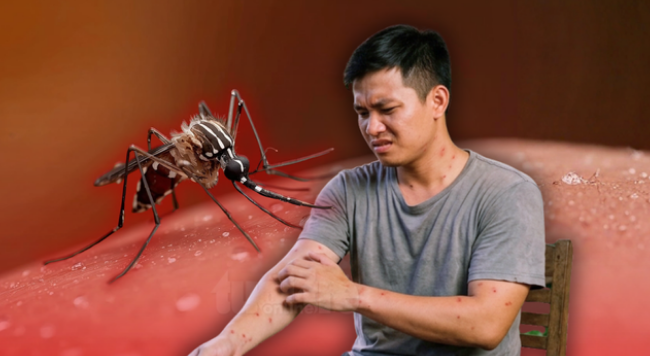
Nothing can ruin a relaxing afternoon in the backyard or a comfortable evening indoors faster than unwanted pests. Mosquitoes buzzing around your patio, ants appearing in the kitchen, cockroaches hiding behind appliances, and flies gathering near food can quickly turn an otherwise pleasant environment into an uncomfortable one.
Pest problems are not limited to one particular season or location. Depending on your surroundings, weather, landscaping, and cleaning habits, different insects and rodents can find their way into your home, garden, and outdoor living spaces.
The good news is that there are practical ways to manage these problems without relying on just one solution. Some pests can be controlled by removing food sources and standing water, while others may require targeted traps, physical barriers, repellents, or professional pest management.
In this guide, we’ll explore how to get rid of mosquitoes in backyard areas, how to keep mosquitoes away outside, and how to deal with common household pests such as ants, cockroaches, spiders, mice, wasps, and flies. We’ll also discuss ways to protect indoor plants, dogs, and outdoor living areas.
Whether you’re dealing with one persistent pest or several problems at once, these methods can help you develop a more effective pest management routine.
1. How to Get Rid of Mosquitoes in Backyard Areas
Mosquitoes are among the most frustrating outdoor pests, particularly during warm and humid weather. They can make patios, gardens, swimming pool areas, and outdoor dining spaces difficult to enjoy.
If you’re wondering how to get rid of mosquitoes in backyard environments, the first step is to identify where they are breeding.
Mosquitoes lay eggs in or near water, and even small amounts of standing water can create breeding opportunities.
Remove standing water around your property
Walk around your backyard and inspect areas where water collects.
Pay particular attention to:
-
Flowerpot trays and plant containers.
-
Old buckets and watering cans.
-
Birdbaths and decorative water features.
-
Clogged gutters and drainage systems.
-
Unused toys and outdoor equipment.
-
Tarps and furniture covers that collect rainwater.
Empty or regularly maintain these areas to reduce mosquito breeding opportunities.
For water features that cannot be emptied, use appropriate mosquito-control methods designed specifically for that purpose. Follow the product label and avoid applying treatments to natural water habitats unless expressly permitted.
Maintain your lawn and landscaping
Overgrown vegetation can create shaded, humid resting areas for adult mosquitoes.
Keep grass trimmed, remove unnecessary weeds, and regularly maintain bushes and hedges. Improving airflow around seating areas can also make outdoor spaces less attractive to resting mosquitoes.
Consider mosquito traps and misting systems
When basic prevention isn’t enough, additional mosquito-control equipment may help.
Some homeowners use mosquito traps, outdoor repellents, or automated misting systems to complement their maintenance routine.
One option worth exploring is the Skeeter Weeper Smart Mosquito+ Fogging/Misting System from Creeper Defeater.

This system is designed for outdoor mosquito management and features smartphone app control. It is intended to distribute a dedicated misting solution around outdoor areas, offering a different approach from manually applying personal insect repellent.
It may be worth considering if you regularly spend time in your backyard and want a more automated approach.
Before purchasing, check the system’s installation requirements, treatment coverage, refill costs, and product instructions to determine whether it fits your property.
Explore the Skeeter Weeper system and other mosquito-control options: Visit Creeper Defeater.
2. How to Keep Mosquitoes Away Outside

Getting rid of existing mosquitoes is only part of the challenge. You also need to reduce the chances of mosquitoes returning.
If you’re searching for how to keep mosquitoes away outside, focus on combining environmental management with personal protection.
Use outdoor fans
Mosquitoes are relatively weak fliers. A fan positioned near a patio dining table or seating area can help disrupt their flight and reduce the likelihood of landing.
This is a simple option for small outdoor spaces.
Use appropriate personal repellents
When spending time outside, consider an EPA-registered insect repellent containing an approved active ingredient such as DEET, picaridin, IR3535, or oil of lemon eucalyptus, following the product label.
Wear long sleeves and trousers when practical, particularly around dusk and dawn when many mosquito species are active.
Install screens and physical barriers
If you have a covered patio, screened porch, or outdoor kitchen, installing properly fitted screens can help reduce insect access.
Repair damaged screens and close gaps around doors whenever possible.
Create a consistent outdoor pest-control routine
A combination of standing-water removal, vegetation maintenance, fans, and appropriate repellents is generally more useful than depending on one product.
For larger properties, an automated system such as Skeeter Weeper may be another option to investigate alongside conventional mosquito-control methods.
3. How to Get Rid of Bugs in Your House

Finding insects inside your home can be frustrating, especially when they repeatedly appear in kitchens, bathrooms, bedrooms, or storage areas.
The best way to understand how to get rid of bugs in your house is to recognize that different insects are attracted to different conditions.
Some look for food, others need moisture, and some enter through small openings while searching for shelter.
Identify the type of pest first
Before choosing a treatment, determine what you’re dealing with.
For example:
-
Ants are often attracted to food residue and sugary substances.
-
Cockroaches prefer warm, dark areas with access to moisture.
-
Spiders may enter homes in search of shelter and insects.
-
Flies are often attracted to food waste and organic materials.
-
Mice seek food, warmth, and protected nesting locations.
Correct identification helps prevent wasting money on products that are unsuitable for the pest.
Improve household cleanliness
Start with a few basic habits:
-
Clean kitchen counters after preparing meals.
-
Store food in sealed containers.
-
Empty indoor trash bins regularly.
-
Clean under refrigerators and kitchen appliances.
-
Repair leaking pipes and faucets.
-
Vacuum corners, baseboards, and storage areas.
-
Avoid leaving pet food uncovered overnight.
These steps reduce the conditions that attract many household pests.
Seal possible entry points
Inspect windows, doors, utility openings, plumbing penetrations, and gaps around baseboards.
Use appropriate weatherstripping, door sweeps, screens, or sealants to close openings where insects and rodents may enter.
Choose targeted pest-control products
Different pest problems require different treatments.
For example, bait stations may be useful for certain ant and cockroach problems, while traps or specialized repellents may be more appropriate for other pests.
For people looking for a product that addresses multiple indoor and outdoor pest concerns, Creeper Defeater offers Crawler Bawler, an all-purpose pest spray marketed for a range of pests.

Crawler Bawler is presented as an indoor/outdoor pest-control spray, with a formulation featuring a proprietary blend of plant-derived ingredients.
It may be worth comparing with other household pest-control products when looking for a multi-purpose option.
Always check the label for approved application surfaces, target pests, ventilation instructions, and precautions around children and animals.
See the Crawler Bawler product and other pest-control solutions: Explore Creeper Defeater.
4. How to Get Rid of Ants Naturally

Ants can appear almost anywhere, from kitchen counters and pantry shelves to bathroom floors and garden paths.
If you want to learn how to get rid of ants naturally, start by finding the food source and identifying where the ants are entering.
Remove food sources
Ants often follow scent trails to food.
Clean spills immediately, wipe countertops, and store sweet foods in airtight containers.
Pay attention to:
-
Sugar containers.
-
Honey and syrup bottles.
-
Fruit bowls.
-
Pet food dishes.
-
Kitchen trash bins.
-
Food residue around appliances.
Even a small amount of food can attract a large number of ants.
Follow the ant trail
Observe where ants travel and look for gaps around windows, doors, pipes, and foundation walls.
Once you identify an entry point, clean the surrounding surface and seal suitable openings.
Avoid disturbing large colonies without understanding their location, particularly if the ants may be nesting inside walls.
Consider targeted ant baits
Ant baits can be useful because worker ants may carry the bait back to the colony.
Choose a product specifically labeled for the ant species and follow its directions. Keep baits away from children and pets.
Consider a dedicated ant spray
If you need a product specifically marketed for ant control, Anti-Ant from Creeper Defeater is another option to investigate.

Rather than relying on general household cleaning products, a targeted pest-control product allows you to choose a solution intended for the particular pest you are dealing with.
Compare its instructions, application method, and suitability for the area where ants are appearing before making a purchase.
5. How to Get Rid of Cockroaches in Kitchen Areas

Cockroaches are particularly unwelcome in kitchens because they can move through dirty areas, contaminate food-contact surfaces, and spread allergens.
Understanding how to get rid of cockroaches in kitchen areas requires addressing food, moisture, hiding places, and entry points.
Remove kitchen food sources
Clean food crumbs from countertops, floors, and cabinets.
Do not leave dirty dishes in the sink overnight, and keep food waste in covered bins.
Store dry foods in tightly sealed containers to make your kitchen less attractive to cockroaches.
Fix leaks and moisture problems
Cockroaches often seek moisture, so check:
-
Under kitchen sinks.
-
Around dishwashers.
-
Behind refrigerators.
-
Near water pipes.
-
Around leaking faucets.
Repair plumbing problems and dry damp areas whenever possible.
Use cockroach bait stations
Gel baits and bait stations can help control cockroach populations when used correctly.
Place them in appropriate locations based on the label, such as areas where cockroaches travel but food is not prepared.
Avoid spraying insecticides directly over bait placements unless the instructions specifically permit it.
Consider specialized cockroach-control products

Roach Don’t Approach from Creeper Defeater is a product specifically marketed for cockroach control and indoor/outdoor use.
It may be worth comparing with traditional cockroach sprays, baits, and other pest-control options.
The important consideration is selecting a treatment suitable for the location and following the product label, especially in kitchens where food preparation takes place.
For recurring or significant infestations, professional pest management may be more effective than relying on household sprays alone.
6. How to Keep Spiders Out of Your House

Although many spiders are harmless and help control other insects, most homeowners prefer not to find them in bedrooms, bathrooms, or living areas.
If you’re researching how to keep spiders out of your house, focus on removing their hiding places and reducing the insects they feed on.
Remove webs and clutter
Regularly clean corners, ceilings, window frames, garages, basements, and storage rooms.
Reduce unnecessary cardboard boxes, piles of clothing, and other clutter where spiders may hide.
Seal windows and door gaps
Check window screens and door frames for openings.
Install door sweeps and repair damaged screens to reduce opportunities for spiders and their insect prey to enter.
Manage outdoor lighting
Bright exterior lights can attract flying insects, which may attract spiders looking for food.
Consider motion-activated lighting or appropriately selected outdoor bulbs to reduce unnecessary insect attraction.
Consider a targeted spider-control spray

Spider Hider from Creeper Defeater is marketed as an indoor/outdoor spider spray.
It may be one option to compare when looking for a product specifically intended for spider management.
For larger or potentially dangerous spiders, avoid handling them directly. If you suspect a medically significant species or have a serious infestation, contact a qualified pest-control professional.
7. How to Keep Mice Away Naturally

Mice can cause more than an unpleasant surprise. They may chew electrical wiring, damage stored items, contaminate food, and leave droppings around the home.
Learning how to keep mice away naturally starts with making your property less attractive and more difficult to enter.
Seal small openings
Mice can squeeze through surprisingly small gaps.
Inspect:
-
Openings around plumbing pipes.
-
Gaps under exterior doors.
-
Garage door edges.
-
Foundation cracks.
-
Openings around cables and utility lines.
Use rodent-resistant materials such as metal mesh combined with appropriate sealant. Foam alone may be chewed through.
Store food properly
Keep grains, pet food, snacks, and other dry foods in durable sealed containers.
Clean food spills quickly and avoid leaving garbage bags accessible overnight.
Reduce hiding places
Keep storage areas organized and avoid accumulating cardboard, paper, and other nesting materials.
Store firewood and garden materials away from the exterior walls of your home.
Use appropriate traps and pest-control products
Snap traps and enclosed traps can be effective when placed correctly and checked regularly.
If you prefer to explore repellent products, Rodentia Repellia from Creeper Defeater is marketed as an indoor/outdoor rodent spray.

It is one option to compare with physical exclusion, trapping, and professional rodent management.
Keep in mind that repellents should not replace sealing entry points, removing food sources, or dealing with an established infestation.
8. How to Keep Wasps Away From Your House

Wasps can become a serious nuisance when they build nests near patios, porches, roof eaves, sheds, and entrances.
If you’re looking for how to keep wasps away from your house, prevention is usually the best place to start.
Remove food and sugary drinks
Wasps are attracted to many foods and sweet liquids.
When eating outside:
-
Cover food containers.
-
Clean spilled juice and soda.
-
Keep garbage bins tightly closed.
-
Avoid leaving pet food outside.
-
Rinse beverage containers before disposal.
Inspect potential nesting locations
Check sheltered areas such as roof overhangs, sheds, porch ceilings, and exterior wall cavities.
Look for repeated wasp activity that could indicate a nest.
Do not knock down, burn, spray, or disturb a nest without understanding the risks.
Use caution around wasp nests
Unlike many common household insects, wasps can defend their nests aggressively.
People with sting allergies may face life-threatening reactions.
For an active nest near an entrance, children’s play area, or frequently used outdoor space, professional removal is the safer option.
Consider a dedicated wasp-control product

Stinger Stopper from Creeper Defeater is marketed as an indoor/outdoor wasp and hornet spray.
It may be worth examining if you’re comparing specialized wasp-control products.
However, a spray should never be treated as a substitute for safe nest removal. Follow the exact application instructions and consider professional assistance for established nests.
9. How to Get Rid of Flies Indoors

Flies are particularly frustrating because they can quickly move between trash, drains, food, and other surfaces.
To understand how to get rid of flies indoors, identify what is attracting them rather than simply trying to kill the adult flies.
Keep kitchen waste under control
Use covered trash cans and empty them regularly.
Clean food residue around bins and keep fruit properly stored.
If you have compost containers indoors, ensure they are sealed and maintained correctly.
Check drains and hidden breeding sources
Some small flies, such as drain flies and fruit flies, require different approaches.
Inspect kitchen drains, sink overflows, garbage disposals, and damp organic material.
For fruit flies, remove overripe fruit and clean containers that may contain fermentation residue.
For drain flies, clean the organic buildup inside drains rather than relying only on surface sprays.
Use fly traps
Fly traps can be useful in areas where adult flies gather.
Choose a trap suitable for the specific species and location.

Flyer Goodbyer from Creeper Defeater is a jumbo natural-bait fly trap designed for fly management.
It may be worth comparing with other indoor and outdoor fly-control options, depending on where the problem occurs.
For indoor use, always check the product’s intended placement and instructions.
Combine prevention and trapping
The most reliable approach is to remove breeding sources, keep food covered, clean drains where needed, and use appropriate traps to manage remaining adult flies.
10. How to Get Rid of Bugs on Indoor Plants

Indoor plants can improve the appearance of a room, but they may also attract pests such as aphids, spider mites, fungus gnats, mealybugs, and whiteflies.
If you’re searching for how to get rid of bugs on indoor plants, begin by identifying the pest and checking how much damage it has caused.
Inspect leaves and stems
Look carefully at the underside of leaves, new growth, stems, and soil.
Different pests leave different signs:
-
Aphids may gather around tender new growth.
-
Spider mites can produce fine webbing.
-
Mealybugs may appear as white cotton-like clusters.
-
Fungus gnats are often associated with damp potting soil.
-
Whiteflies may fly away when leaves are disturbed.
Isolate affected plants
Move infested plants away from healthy ones while you investigate the problem.
This can reduce the spread of pests to other plants in your collection.
Adjust watering habits
Overwatering can create favorable conditions for fungus gnats and other moisture-related problems.
Allow the soil to dry to the appropriate level for your plant species before watering again.
Ensure containers have suitable drainage.
Use plant-specific pest treatments
Some household insecticides can damage sensitive foliage, so choose products specifically labeled for the plant and pest involved.

Botanical Bubble from Creeper Defeater is marketed as a plant pest, fungi, and disease barrier.
It may be worth investigating as an additional option when comparing plant-care and pest-management products.
Before applying any treatment, check the label for approved plant types, target pests, application frequency, and whether a small test on one leaf is recommended.
11. How to Protect Dogs From Mosquitoes and Keep Ticks Off Dogs

Dogs enjoy spending time outdoors, but gardens, wooded areas, and grassy environments can expose them to mosquitoes, ticks, fleas, and other pests.
Two important questions for pet owners are how to protect dogs from mosquitoes and how to keep ticks off dogs.
These problems require a little more attention because products designed for people are not necessarily safe for animals.
Use veterinarian-approved parasite protection
Ask your veterinarian about suitable flea, tick, and mosquito prevention based on your dog’s age, weight, health, lifestyle, and local parasite risks.
Some veterinary products provide protection against multiple parasites, but no single product should be assumed to cover everything.
Check your dog after outdoor activities
After walks, hikes, or time in grassy areas, inspect:
-
Around the ears.
-
Under the collar.
-
Between the toes.
-
Around the tail.
-
Under the legs.
-
Around the neck and belly.
Remove attached ticks promptly using an appropriate tick-removal tool or seek veterinary guidance.
Keep your backyard maintained
Trim tall grass, remove leaf litter, and maintain shrubs around areas where your dog regularly plays.
Avoid allowing your dog to investigate areas with known tick activity or wildlife nesting sites.
Reduce mosquito exposure
Mosquitoes are often more active during certain times of the day.
Consider limiting outdoor activity during peak mosquito periods, using screens where practical, and eliminating standing water.
Consider products specifically designed for dogs

Creeper Defeater offers Biter Blocker Pupper, a product marketed specifically as an on-dog bug spray.
This is an option to investigate when comparing pet-oriented insect-repellent products.
However, do not assume that a product is appropriate for every dog simply because it is marketed for pets. Check the complete ingredient list, label directions, age restrictions, and veterinary recommendations before use.
Explore pet-oriented pest-control options: Visit Creeper Defeater.
Why pet safety matters
Some insect-control ingredients that are suitable for one animal species may be harmful to another. For example, certain concentrated essential oils and insecticides can pose risks to cats and dogs.
Never use a human insect repellent on your dog unless a veterinarian specifically confirms it is appropriate.
If your dog develops unusual symptoms after exposure to a pest-control product, contact a veterinarian promptly.
12. Buyer Guide: How to Choose the Right Pest-Control Products

With so many pest-control products available, choosing the right one can be confusing.
A product that works for flying insects may not be suitable for cockroaches, ants, rodents, or ticks. Before purchasing anything, consider the type of pest, the location of the problem, the size of the affected area, and whether children or pets may come into contact with the treatment.
Here are the most important factors to consider.
1. Identify the pest you want to control
Start by identifying the specific pest rather than purchasing a general-purpose spray immediately.
| Pest problem | Product type to consider |
|---|---|
| Mosquitoes in the backyard | Misting systems, traps, repellents |
| Ants in the kitchen | Ant baits, targeted sprays |
| Cockroaches | Gel baits, bait stations, targeted treatments |
| Spiders | Exclusion methods, spider-control products |
| Mice | Snap traps, exclusion materials |
| Wasps | Professional nest removal, targeted products |
| Flies indoors | Fly traps, electric zappers |
| Bugs on indoor plants | Plant-specific pest treatments |
| Mosquitoes around dogs | Veterinarian-approved parasite prevention |
| Ticks on dogs | Veterinary tick-prevention products |
Choosing a targeted product can help avoid unnecessary treatments and make pest management more organized.
2. Consider indoor versus outdoor applications
Not every pest-control product is suitable for every environment.
For example, outdoor mosquito-control equipment may be useful for a backyard, while indoor fly traps may be more appropriate for kitchens, garages, or offices.
If you need a solution for several areas of your property, consider whether a combination of different product types would be more practical.
3. Check ingredients and application instructions
Never assume that a product is safe simply because it is described as natural, botanical, or plant-based.
Check:
-
Active ingredients.
-
Approved target pests.
-
Indoor and outdoor application instructions.
-
Required ventilation.
-
Contact precautions.
-
Reapplication frequency.
-
Storage instructions.
-
Restrictions around children and animals.
For products used around pets, verify that the label specifically permits the intended application.
4. Evaluate convenience and maintenance
Some pest-control methods require regular manual application, while others involve equipment that needs installation, cleaning, or refilling.
For example:
-
Personal insect repellents are portable and convenient for outdoor activities.
-
Traps may need periodic inspection and replacement.
-
Sprays may require repeated application according to their labels.
-
Automated misting systems require installation and ongoing solution refills.
Think about how much maintenance you are comfortable performing.
5. Compare the total cost
The initial purchase price is not always the full cost of a pest-control solution.
Consider:
-
Initial equipment costs.
-
Replacement traps.
-
Refill solutions.
-
Batteries or electricity.
-
Installation expenses.
-
Maintenance requirements.
-
Professional pest-control services.
An inexpensive product that requires frequent replacement may cost more over time than a durable alternative.
6. Explore multi-purpose pest-control options
If your property has several pest problems, you may want to compare individual products with broader pest-control solutions.
Creeper Defeater is one brand worth exploring because its catalog includes different types of pest-management products rather than focusing on only one insect.
Some products to investigate include:
| Product | Intended application |
|---|---|
| Skeeter Weeper | Outdoor mosquito misting |
| Crawler Bawler | Multi-purpose indoor/outdoor pest spray |
| Triple Zap Trap | Outdoor insect-zapping system |
| Roach Don’t Approach | Cockroach-control spray |
| Stinger Stopper | Wasp and hornet spray |
| Spider Hider | Spider-control spray |
| Anti-Ant | Ant-control spray |
| Rodentia Repellia | Rodent-control spray |
| Flyer Goodbyer | Fly trap |
| Botanical Bubble | Plant pest and disease barrier |
| Biter Blocker Pupper | Dog-oriented bug spray |
These products address different needs, so they should not be considered interchangeable.
For example, someone experiencing recurring mosquito problems in a large backyard may be more interested in an automated misting system, while someone dealing with occasional flies indoors may simply need a suitable fly trap.
Looking for different solutions in one place? You can explore the product range, check individual specifications, and compare available options through Creeper Defeater’s official store.
7. When should you hire a pest-control professional?
DIY pest control can be useful for minor problems, but some situations require professional assistance.
Consider hiring a qualified pest-control service when:
-
Cockroaches keep returning despite repeated treatments.
-
Mice are nesting inside walls or ceilings.
-
Wasps or hornets have established a large nest.
-
You suspect termites or structural pest damage.
-
You cannot identify the pest.
-
A pest problem presents a health or safety risk.
Professional inspection can help identify the source of the infestation and determine an appropriate treatment plan.
13. A Simple Weekly Pest-Prevention Checklist

The best pest-control routine is one that you can maintain consistently.
Rather than waiting until an infestation becomes serious, spend a little time each week checking your home and outdoor spaces.
Backyard maintenance
Indoor maintenance
Plant and pet care
A consistent routine can reduce the conditions that attract pests and make it easier to identify problems before they become widespread.
14. Frequently Asked Questions (FAQ)

1. What is the best way to get rid of mosquitoes in a backyard?
The best approach is to eliminate standing water, maintain vegetation, use appropriate personal repellents, and consider suitable outdoor mosquito-control equipment. For larger properties, an automated misting system may be worth investigating as part of a broader prevention strategy.
2. How can I keep mosquitoes away outside without using traditional sprays?
You can reduce mosquito activity by removing standing water, maintaining your garden, using outdoor fans, installing screens, and wearing protective clothing. However, when mosquito-borne disease is a concern, use an appropriately registered insect repellent according to its label.
3. What is the easiest way to get rid of bugs in a house?
Start by identifying the insect, removing food and water sources, cleaning affected areas, and sealing entry points. Then choose a targeted trap, bait, or pest-control product appropriate for that specific insect.
4. How do I get rid of ants naturally in my kitchen?
Clean food residue, store sweet foods in sealed containers, remove water sources, and seal entry points. For persistent colonies, consider appropriately labeled ant baits and follow their application instructions.
5. Why do cockroaches keep appearing in my kitchen?
Cockroaches are attracted to food, water, warmth, and shelter. Even clean kitchens can have small leaks, hidden food residue, or gaps that allow cockroaches to enter. Inspect behind appliances, under sinks, and around plumbing.
6. What keeps spiders out of a house?
Regularly remove webs, reduce indoor clutter, repair window screens, seal openings, and manage other insects that spiders feed on. Targeted spider-control products may provide an additional option when used according to their labels.
7. How can I keep mice away naturally?
Store food securely, remove nesting materials, maintain clean storage areas, and seal openings around your home. Physical exclusion and appropriate traps are important when mice have already entered the property.
8. How do I prevent wasps from building nests near my house?
Keep garbage covered, remove exposed sugary food, clean outdoor dining areas, and monitor sheltered areas for early nesting activity. Never disturb an established nest yourself if you are unsure how to handle it safely.
9. What is the best way to get rid of flies indoors?
Remove their food and breeding sources first. Clean trash bins, remove overripe fruit, inspect drains, and use an appropriate fly trap. Identifying the type of fly is important because fruit flies and drain flies require different prevention methods.
10. How do I get rid of bugs on indoor plants without damaging them?
Identify the pest, isolate affected plants, inspect the leaves and soil, and adjust watering habits. Choose a plant-specific treatment and test it as directed before applying it more broadly.
11. Can I use regular mosquito repellent on my dog?
Do not assume that human insect repellents are suitable for dogs. Some ingredients may be inappropriate or harmful to pets. Consult your veterinarian and use products specifically labeled for the intended animal.
12. What is the best way to keep ticks off dogs?
Use veterinarian-recommended tick prevention, inspect your dog after outdoor activities, maintain your yard, and remove attached ticks promptly with an appropriate tool.
13. Are natural pest-control products always safe for children and pets?
No. Natural ingredients can still cause irritation, allergic reactions, or other adverse effects. Always read the complete product label and follow its precautions. Keep treatments away from children and animals unless the label specifically permits the intended use.
14. Can one pest-control product eliminate every type of insect?
Generally, no. Different pests have different behaviors, habitats, and vulnerabilities. Multi-purpose products may cover several listed pests, but they should not replace targeted solutions when a specific infestation requires them.
15. Is an automated mosquito misting system worth considering?
It may be useful for homeowners who regularly use outdoor spaces and want an automated application approach. However, suitability depends on the property’s size, installation requirements, refill costs, treatment instructions, and local regulations. Compare these factors before purchasing.
Final Thoughts: Build a More Comfortable Home and Backyard

Dealing with mosquitoes, ants, cockroaches, spiders, flies, rodents, and other unwanted pests can be frustrating, but effective pest management doesn’t have to be complicated.
The key is to understand what attracts each pest, identify where it enters or reproduces, and choose an appropriate solution.
For mosquitoes, removing standing water and protecting outdoor spaces should be priorities. For household insects, proper sanitation, moisture control, and sealing entry points can make a significant difference. Pet owners should also pay special attention to veterinarian-approved protection against mosquitoes, fleas, and ticks.
When additional products are needed, compare different solutions based on their intended applications, ingredients, maintenance requirements, and safety instructions.
Creeper Defeater is one brand worth exploring if you’re looking for a variety of pest-control options, including mosquito misting systems, indoor/outdoor sprays, insect traps, and pet-oriented products.
Rather than purchasing products without understanding your particular pest problem, take time to compare the available solutions and select the ones that best fit your home, garden, and lifestyle.
Ready to explore additional pest-control solutions?
Discover pest-control products at Creeper Defeater
A cleaner, more comfortable environment starts with consistent prevention and choosing the right tools for the job.
References and Further Reading
For additional information about pest prevention and safe insect-repellent use:
Affiliate disclosure: This article contains affiliate links. If you purchase through these links, we may earn a commission at no additional cost to you. Our recommendations are intended to help readers explore relevant pest-control options.